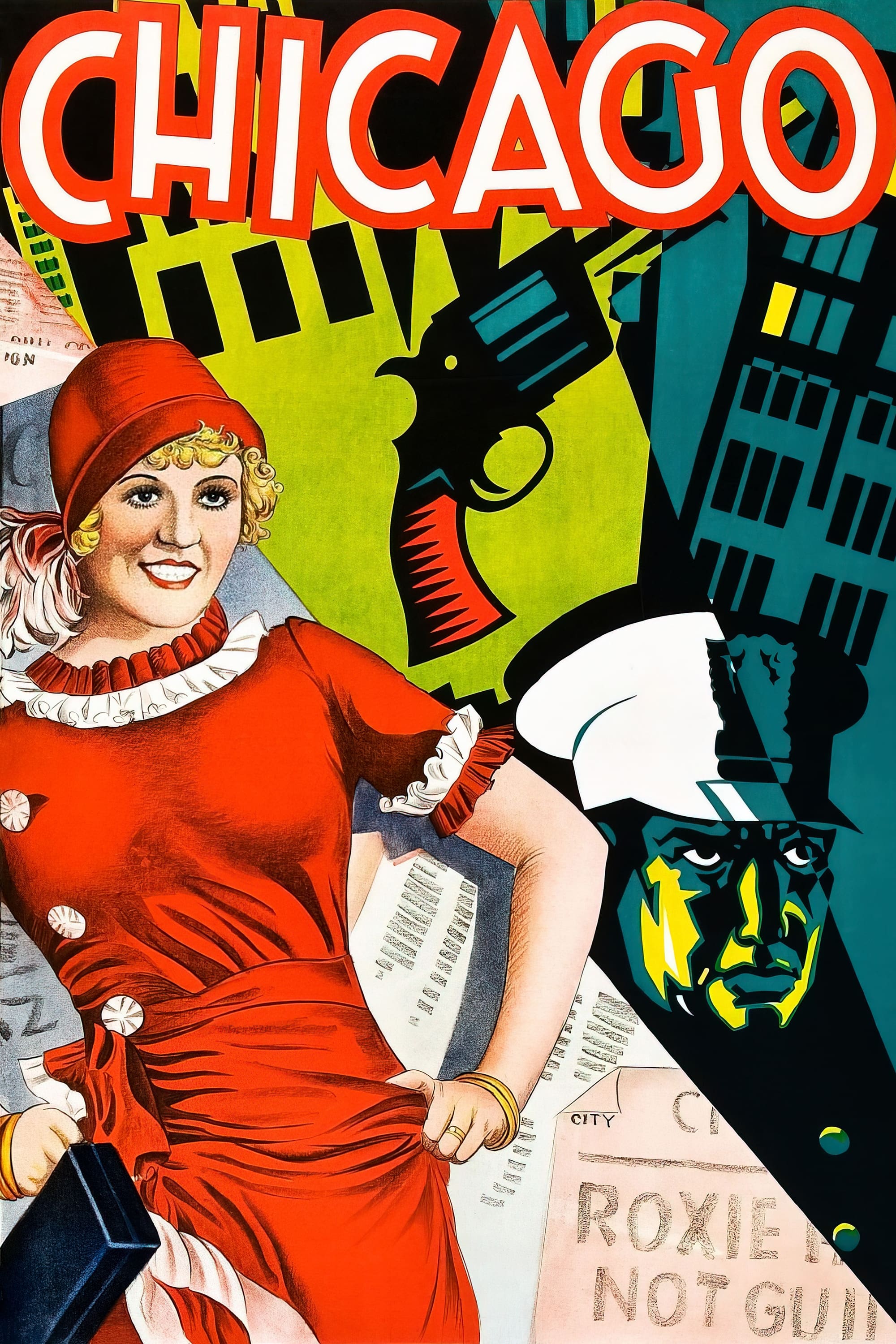
Chicago (1927) character relationship network mapped with AI analysis. Explore the connections, alliances, and conflicts between characters.
Characters
Roxie Hart
(played by Phyllis Haver) — protagonist
Roxie Hart is the film's central character, fictionalized from the real-life Beulah Annan. She commits the spectacular murder of her boyfriend, and the film expands the killing into a major part of th...
Amos Hart
(played by Victor Varconi) — supporting
Amos Hart is Roxie Hart's husband and receives a much more sympathetic and active role in this film than in the stage play or later musical. His expanded presence gives him a stronger connection to th...
Rodney Casley
(played by Eugene Pallette) — supporting
Rodney Casley is the man Roxie kills. Although she tells Amos and the authorities that he was a burglar who forced his way in, Amos says Roxie admitted that she shot Rodney after he rejected her. Rodn...
Asst. District Attorney
(played by Warner Richmond) — supporting
The Asst. District Attorney prosecutes Roxie at trial and presses the case against her. The prosecution's challenge is countered by William Flynn, who appeals to the jurors' sympathy by presenting Rox...
William Flynn
(played by Robert Edeson) — supporting
William Flynn is Roxie's lawyer, skilled at turning a client into a public spectacle. He coaches her to appear innocent and remorseful, then presents her to the jurors as sweet, brave, and virtuous. H...
Reporter
(played by T. Roy Barnes) — supporting
The Reporter recognizes Roxie's arrest as an opportunity for a sensational story and helps bring public attention to her case. The press follows the trial as Roxie's notoriety grows, but after her acq...
Two Gun Rosie
(played by Viola Louie) — supporting
Two Gun Rosie is another woman whose notoriety draws public attention after Roxie's acquittal. She becomes the latest sensation, prompting reporters to lose interest in Roxie and ending Roxie's brief...
Canonical Relationships
Family, romantic, and professional connections based on plot evidence.
William Flynn → Amos Hart
(Professional Paid Legal Representative) — Amos's efforts to pay Flynn connect the lawyer's representation of Roxie to Amos's personal sacrifice.
Flynn demands a substantial fee for Roxie's defense, and Amos struggles to raise the money, including through a life-insurance advance.
Roxie Hart → William Flynn
(Professional Lawyer And Client) — Flynn shapes Roxie's public image and defense, helping secure her acquittal through an appeal to the jury's sympathy.
William Flynn takes Roxie's case, demands a substantial fee, and coaches her to present herself as innocent and remorseful.
Roxie Hart → Rodney Casley
(Romantic Lover Turned Murder Victim) — Rodney's rejection precedes Roxie's killing him, which drives the criminal case at the center of the story.
Roxie admits to Amos that she killed Rodney after he rejected her. Rodney is identified as the man whose death leads to her arrest and trial.
Roxie Hart → Amos Hart
(Family Husband And Wife) — Amos sacrifices financially to help Roxie, while she prioritizes her image and defense over his feelings. Their final exchange leaves their future uncertain.
The plot identifies Amos as Roxie's husband. He supports her defense, but their relationship is strained by her lies, self-interest, and his discovery...
Story Dynamics
Alliances, conflicts, and narrative interactions that evolve throughout the story.
Roxie Hart → Two Gun Rosie
(Conflict Rival Sensation) — Two Gun Rosie's new notoriety displaces Roxie's in the public eye, though no direct confrontation between them is described.
The plot says Two Gun Rosie becomes the latest sensation after Roxie's acquittal, and reporters consequently lose interest in Roxie.
Reporter → Two Gun Rosie
(Narrative New Sensation) — The press's attention shifts from Roxie to Two Gun Rosie, ending Roxie's brief run as a public sensation.
After Roxie's acquittal, Two Gun Rosie becomes the latest sensation and reporters lose interest in Roxie.
Reporter → Roxie Hart
(Narrative Sensationalist Coverage) — The reporting helps turn Roxie's murder case into public spectacle and draws attention to her notoriety.
A reporter sees an opportunity for a sensational story about Roxie's case, and the press follows her trial.
William Flynn → Asst. District Attorney
(Conflict Opposing Trial Advocates) — They advance opposing cases before the jury, with Flynn's sympathy-based strategy contributing to Roxie's acquittal.
The Asst. District Attorney presses the case against Roxie, while Flynn argues to the jurors that she is sweet, brave, and virtuous.
Roxie Hart → Asst. District Attorney
(Conflict Defendant And Prosecutor) — The Asst. District Attorney challenges Roxie's self-defense account as the prosecution seeks to establish her guilt.
At trial, the Asst. District Attorney presses the case against Roxie, who claims she shot Rodney in self-defense.
Story Analysis
Roxie turns a murder into a public spectacle and escapes conviction, while the collapse of her fame exposes the damage to her marriage.
Plot Progression
A Marriage Under Strain
— Roxie dreams of glamour while conflict with Amos over spending ends in a declaration that their relationship is over. After killing Rodney, she invents a burglary story, but Amos reveals her admission...
A Case Made for Headlines
— Facing possible execution, Roxie seeks help as a reporter recognizes the case's sensational potential. Flynn takes her case and coaches her to perform innocence and remorse for public attention.
The Cost of a Defense
— Amos visits Roxie, who remains focused on her image and defense. Flynn demands a substantial fee, and Amos raises money through a life-insurance advance.
Acquittal Through Performance
— Roxie claims self-defense at trial while the Asst. District Attorney presses the case against her. Flynn portrays her as virtuous, and the jury acquits her after a short deliberation.
Fame Fades at Home
— Two Gun Rosie becomes the latest sensation, and reporters lose interest in Roxie. Amos confronts Roxie over money and sacrifice, but his promise to try to restore their relationship leaves the outcome...
Directed by Frank Urson
Chicago (1927) · 5.9/10 · comedy, crime, drama
Content sources
Related entry on
Wikidata
(Q3281484), public domain (CC0).
Plot breakdown and analysis on this page are AI-generated from the title's synopsis and metadata.