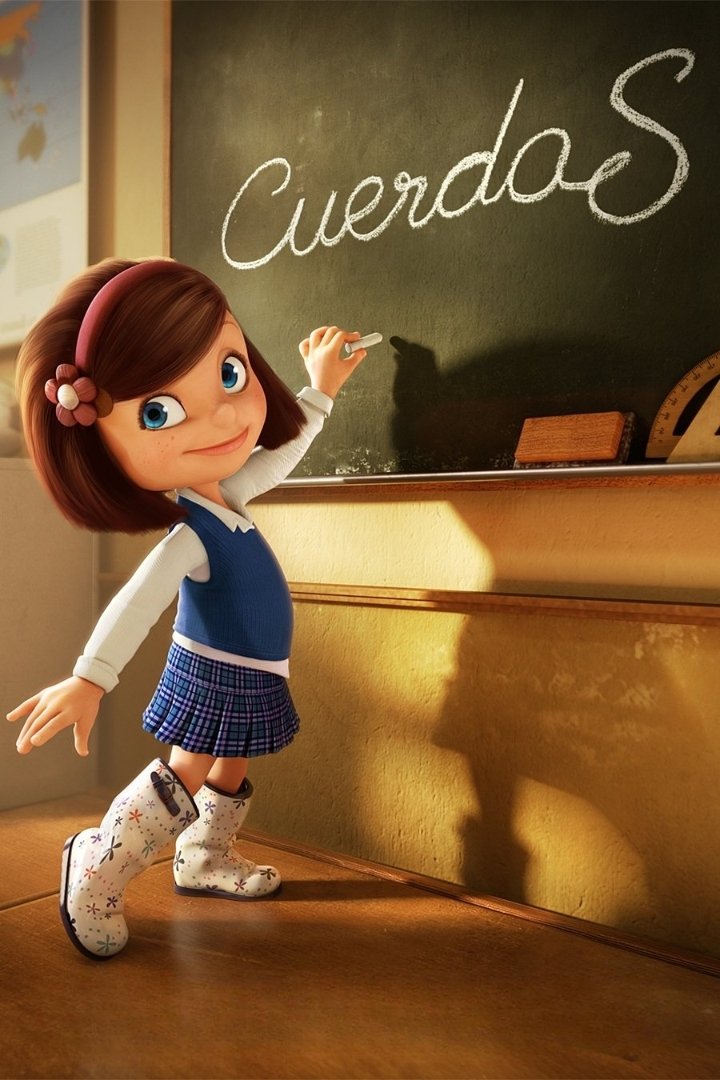
Strings (2013) character relationship network mapped with AI analysis. Explore the connections, alliances, and conflicts between characters.
Characters
María
(played by Miriam Martín) — protagonist
Maestra
(played by Belén Rueda) — protagonist
Amiga de María
(played by María Temprado) — supporting
María adulta
(played by Blanca Formáriz) — supporting
Asistente social
(played by Estefanía Nussio) — supporting
Canonical Relationships
Family, romantic, and professional connections based on plot evidence.
María → María adulta
(Temporal Childhood And Adult Self) — María adulta is presented as María later in life, carrying the memory of her childhood classmate into her work with children.
Twenty years later, María adulta returns to the former orphanage as a new Maestra, and the ending connects her childhood friendship and loss with her...
María → Maestra
(Professional Teacher And Pupil) — The Maestra guides María's childhood classroom, while the ending connects María's experience as a child with her later work as a teacher.
The Maestra introduces the new classmate to the group that includes María; later, María adulta returns as a Maestra.
Asistente social → Amiga de María
(Professional Social Worker And Child In Care) — The Asistente social arranges the child's placement at the institution, explaining that it is the only available place for the time being.
The Asistente social brings the severely disabled child to the institution and hands over her medical reports, medicines, and belongings.
Maestra → Amiga de María
(Professional Teacher And Student) — As the classmate's teacher, the Maestra introduces her to the children and later joins the staff facing the difficulty of telling them about her death.
The Maestra introduces the new classmate to the group and asks the children to make her feel welcome.
Story Dynamics
Alliances, conflicts, and narrative interactions that evolve throughout the story.
María → Amiga de María
(Social Friend And Companion) — María treats her classmate as a playmate and teammate, remains with her when she cannot join the others, and imagines a future they will share.
María approaches the newcomer, teaches her movements and sounds through games, and stays nearby when she is too exhausted to go outside.
Story Analysis
A childhood friendship formed through imaginative play and loss becomes part of María's adult purpose in caring for children.
Plot Progression
An Uncertain Arrival
— The Asistente social places the severely disabled child in an overcrowded institution, explaining that no better option is available for now. María is shown apart from the other children before the ne...
Games That Make Room
— María approaches the newcomer and tries to connect through movements, sounds, rope, and imagined football. Her stories turn play into a way of treating the child as a companion rather than an outsider...
A Friendship and a Hope
— María stays beside her classmate when she is too exhausted to go outside. She imagines recovery and a future journey together, while the adults begin to understand the seriousness of the child's condi...
The Loss the Children Face
— The child dies during the night without apparent pain. The staff struggle with how to tell the children, especially María, and discuss collecting the child's belongings.
Care Carried Forward
— Twenty years later, the former municipal orphanage is a special education center. María adulta returns as a teacher, and the ending links her childhood friendship and loss to her adult purpose.
Directed by Pedro Solís
Strings (2013) · 8/10 · animation, drama, family
Content sources
Related entry on
Wikidata
(Q16766028), public domain (CC0).
Plot breakdown and analysis on this page are AI-generated from the title's synopsis and metadata.