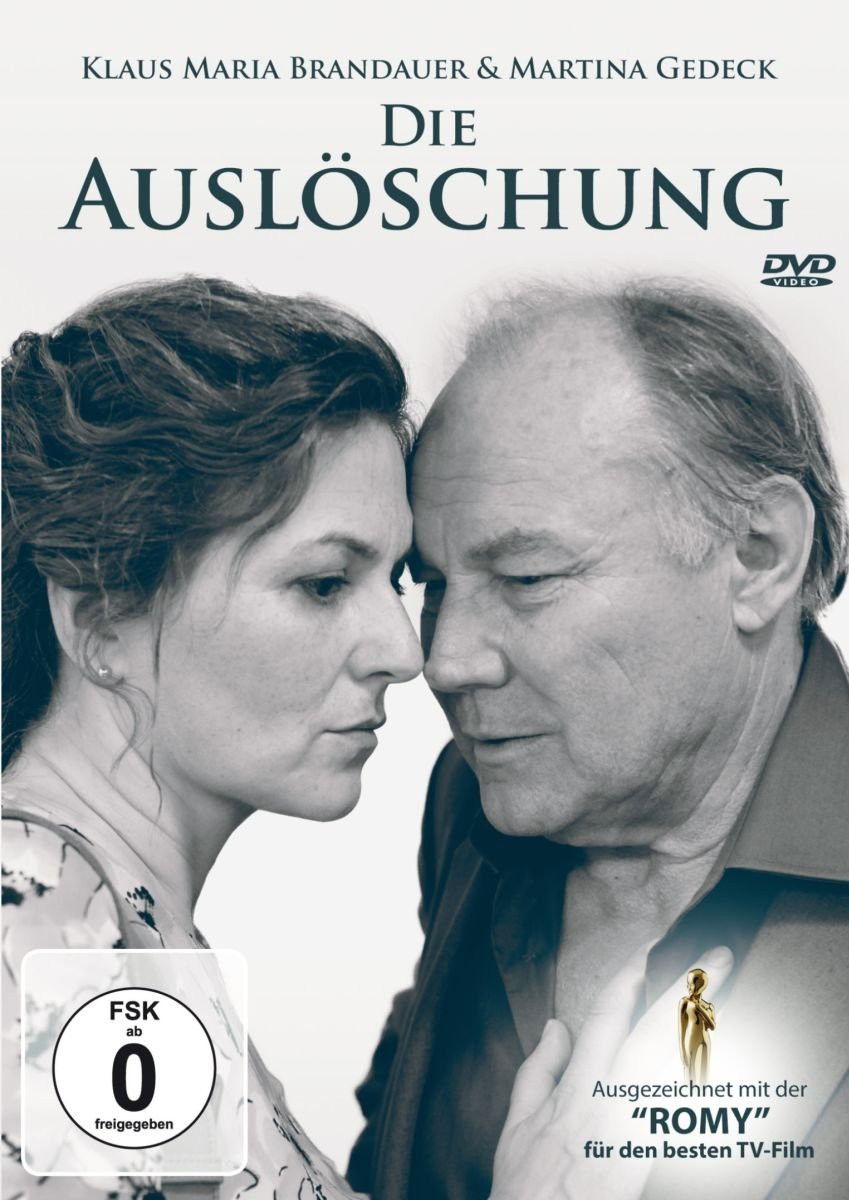
Die Auslöschung (2013) character relationship network mapped with AI analysis. Explore the connections, alliances, and conflicts between characters.
Characters
Ernst Lemden
(played by Klaus Maria Brandauer) — protagonist
An art historian who shares a profound late-life romance with Judith. His life and relationship undergo a slow, relentless transformation following his Alzheimer's diagnosis.
Judith Furmann
(played by Martina Gedeck) — protagonist
A restorer who finds unexpected happiness in a late great love with Ernst. She navigates the difficult changes in their lives as he is diagnosed with Alzheimer's.
Katja
(played by Birgit Minichmayr) — supporting
Theo
(played by Philipp Hochmair) — supporting
Christoph
(played by Andreas Kiendl) — supporting
Bettina
(played by Regina Fritsch) — supporting
Bernd
(played by Carl Achleitner) — minor
Bäuerin
(played by Gabriela Schmoll) — minor
Karl
(played by Toni Slama) — minor
Heide
(played by Isolde Pezet) — minor
Canonical Relationships
Family, romantic, and professional connections based on plot evidence.
Ernst Lemden → Theo
(Professional Colleague) — Professional relationship in art history field
Ernst Lemden → Christoph
(Family Son) — Ernst's son who struggles with his father's condition
Ernst Lemden → Judith Furmann
(Romantic Partner) — Late-life romance between the art historian and restorer
Story Dynamics
Alliances, conflicts, and narrative interactions that evolve throughout the story.
Ernst Lemden → Bäuerin
(Social Acquaintance) — Rural acquaintance they encounter
Ernst Lemden → Karl
(Social Friend) — Friend who interacts with Ernst
Ernst Lemden → Bernd
(Social Acquaintance) — Social acquaintance in their circle
Judith Furmann → Bettina
(Social Friend) — Judith's friend who offers support
Judith Furmann → Katja
(Social Friend) — Judith's friend who provides emotional support
Story Analysis
A late love is transformed by an Alzheimer's diagnosis and its slow, relentless impact on shared life.
Plot Progression
A Late Beginning
— The story presents a restorer and an art historian who experience a late, major love. Their happiness initially appears complete.
The Diagnosis
— The art historian is diagnosed with Alzheimer's disease. This revelation disrupts the couple's seemingly perfect happiness.
A Relentless Change
— The illness slowly and continuously changes the couple's life. Their relationship must exist under the pressure of an irreversible condition.
Love Transformed
— Alzheimer's increasingly reshapes the couple's shared existence. The drama moves toward the emotional consequences of this unavoidable progression.