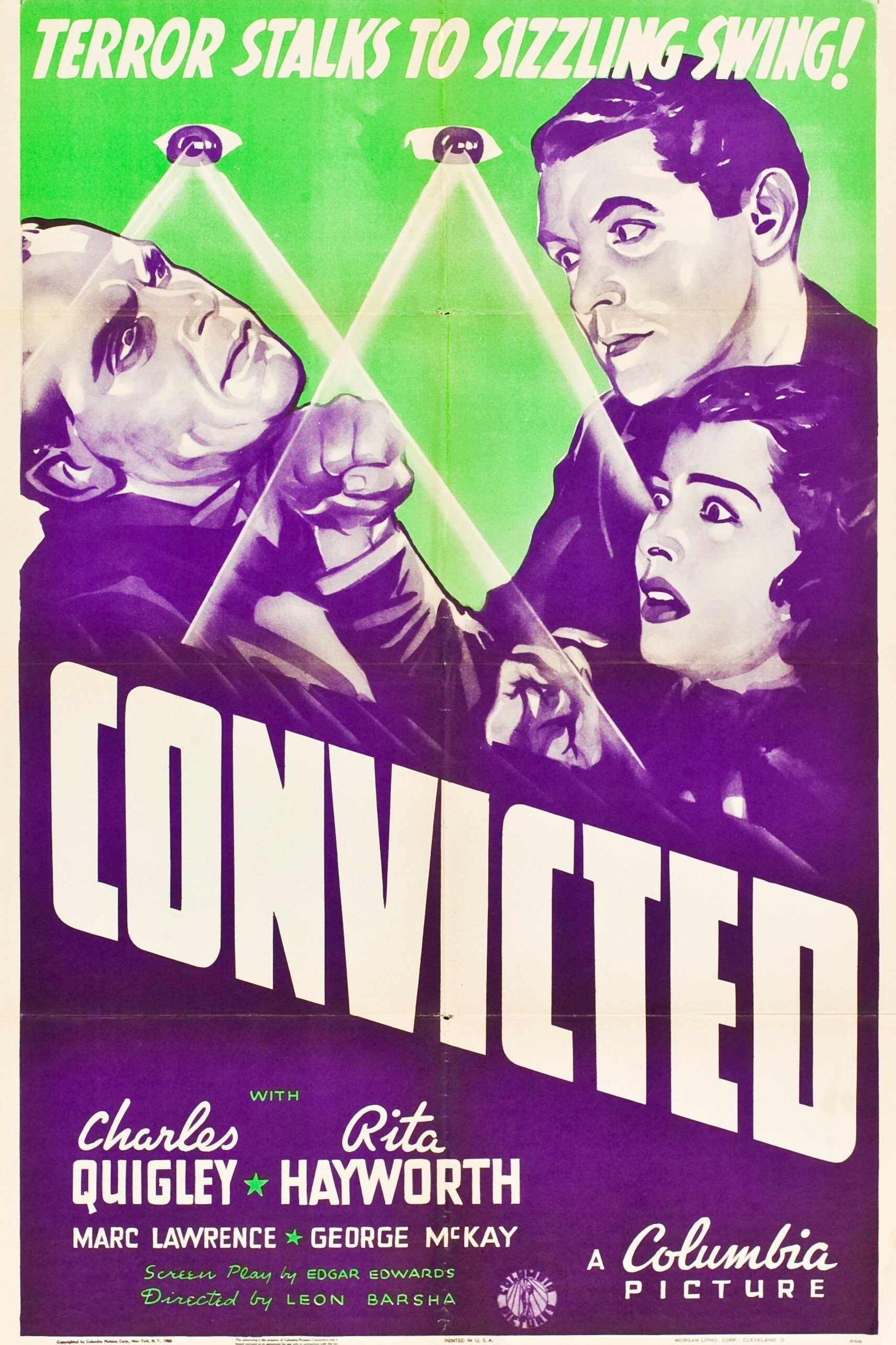
Story Structure — 4 Plot Phases
Quota Era Production
The film originates as a quota quickie produced by Kenneth J. Bishop in Victoria, B.C. between 1933 and 1937. Director Leon Barsha assembles the cast and adapts the screenplay for the British market.
Key Events
-
Film Conception — American/Canadian action film project initiated for quota compliance.
Location: Production Studio
-
Director Assignment — Leon Barsha appointed to helm the quota quickie production.
Location: Production Office
-
Cast Assembly — Lead actors selected to carry the transatlantic market appeal.
Location: Casting Office
-
Script Adaptation — Edgar Edwards transforms Cornell Woolrich story into screenplay.
Location: Writing Room
-
Production Start — Principal photography begins under Kenneth J. Bishop's production.
Location: Victoria B.C. Studio
-
Quota Strategy — Producer targets British market with compliant quota quickie format.
Location: Production Office
Cast & Creative Assembly
Charles Quigley, Marc Lawrence, and Rita Hayworth are cast as the central performers. Edgar Edwards transforms Cornell Woolrich's story into a workable screenplay for the action genre.
Key Events
-
Quota Strategy — Producer targets British market with compliant quota quickie format.
Location: Production Office
-
Filming Phase — Actors perform scenes across British Columbia filming locations.
Location: Victoria B.C. Locations
-
Post-Production — Film editing and sound mixing completed for theatrical release.
Location: Editing Suite
-
Initial Release — Movie premieres as part of the quota quickie distribution cycle.
Location: Theaters
-
Commercial Run — Film circulates through British and Canadian theatrical markets.
Location: Distribution Network
-
Historical Obscurity — Film fades from public view after initial commercial run ends.
Location: Archives
Release & Commercial Run
The completed film enters theatrical distribution across North America and Britain. It operates within the quota system framework before gradually fading from mainstream circulation.
Key Events
-
Historical Obscurity — Film fades from public view after initial commercial run ends.
Location: Archives
-
Festival Discovery — Cultural historians identify film for retrospective programming.
Location: Film Archives
-
Retrospective Screening — Film screened at 1984 Festival of Festivals special program.
Location: Festival of Festivals
-
Critical Reassessment — Academics analyze film as culturally significant Canadian work.
Location: Cinema Studies
Festival Rediscovery
Decades later, the film is unearthed for the 1984 Festival of Festivals retrospective. It gains recognition as a culturally significant artifact of early Canadian cinema history.
Key Events
-
Critical Reassessment — Academics analyze film as culturally significant Canadian work.
Location: Cinema Studies
-
Legacy Establishment — Film recognized as part of early Canadian cinema history.
Location: Cultural Heritage
-
Archival Preservation — Film materials preserved for future historical study and access.
Location: National Archives
-
Star Trajectory — Rita Hayworth transitions from quota quickie to Hollywood stardom.
Location: Hollywood
-
Director Recognition — Leon Barsha credited for navigating quota era production constraints.
Location: Film Industry
-
Source Material Impact — Woolrich story adaptation noted for early genre experimentation.
Location: Literary Archives
-
Cinematic Preservation — Film secured as enduring artifact of 1930s transatlantic cinema.
Location: Global Archives