Plot Analysis Summary
A documentary exploring the cultural significance, colonial commodification, and unified history of African art through visual montage and narration.
Story Structure — 4 Plot Phases
The Living Artifact
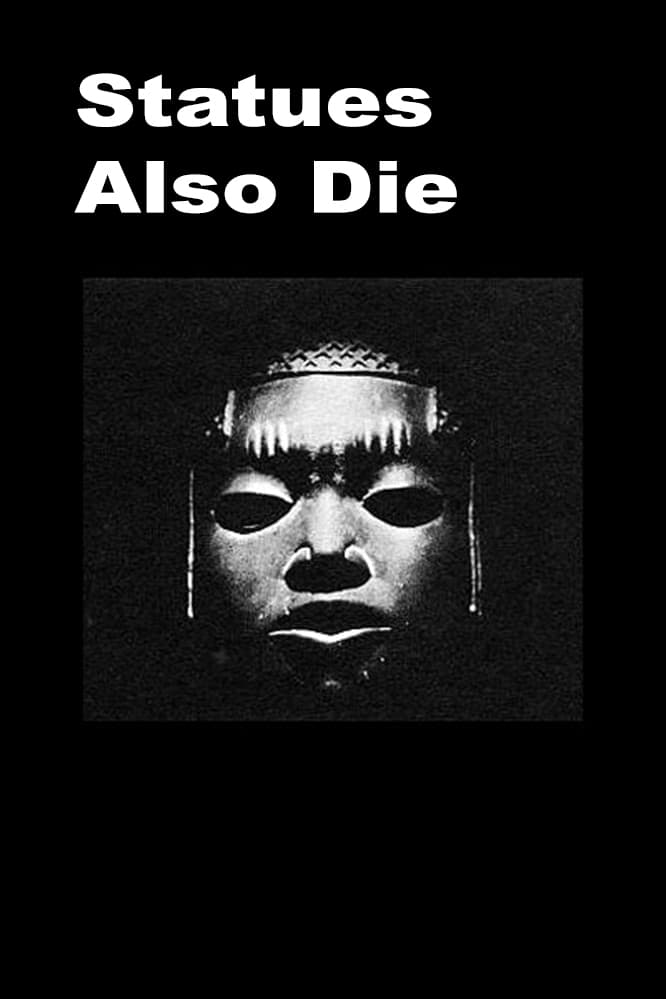
The film opens with a curated exhibition of African sculptures and masks, rhythmically edited to music. The narrator introduces a European perspective while deliberately withholding geographical context, establishing a theme of cultural distance.
Key Events
-
African Art Exhibition — Opening sequence displays traditional African art objects
Location: Museum Gallery
-
Rhythmic Editing Technique — Images are cut precisely to the pace of accompanying music
Location: Film Screen
-
European Perspective Narration — Narrator analyzes art perception from a historical European viewpoint
Location: Voiceover
-
Contextual Information Gap — Geographical and temporal origins are rarely provided
Location: Film Frame
-
Dead Statue Definition — Explains how statues lose significance and become museum objects
Location: Museum Space
-
Traditional Performance Footage — Scenes of Africans performing traditional music and dances
Location: Village Square
Cultural Vitality and Loss
Traditional performances and a stark gorilla death scene highlight the raw vitality of African culture. The narrative then shifts to critique how colonialism and modern commercialization strip art of its original meaning.
Key Events
-
Traditional Performance Footage — Scenes of Africans performing traditional music and dances
Location: Village Square
-
Gorilla Death Scene — Intercut footage shows the death of a disemboweled gorilla
Location: Wild Habitat
-
Commercialization Critique — Modern commercialization of African culture is problematized
Location: Market Space
-
Colonial Impact on Art — Argues colonial presence compels art to lose idiosyncratic expression
Location: Colonial Office
-
Western Consumer Appeal — Art is altered to appeal to Western consumer tastes
Location: Retail Store
-
Currency Replacement Mention — Mentions African currencies were previously replaced by European ones
Location: Economic Zone
Colonial Exploitation and Commercialization
The documentary examines economic and cultural displacement, noting currency replacement and the dilution of artistic expression for Western markets. It transitions to modern urban settings and diaspora experiences.
Key Events
-
Currency Replacement Mention — Mentions African currencies were previously replaced by European ones
Location: Economic Zone
-
Black Diaspora Position — Comments on the position of black Africans in contemporary Europe and North America
Location: Urban Center
-
Harlem Globetrotters Footage — Footage from a Harlem Globetrotters basketball show is shown
Location: Basketball Court
-
Sugar Ray Robinson Clip — Archival footage of boxer Sugar Ray Robinson appears
Location: Boxing Ring
-
Jazz Drummer Intercut — Jazz drummer performance is intercut with other scenes
Location: Jazz Club
-
Police and Labor Confrontation — Scenes depict a confrontation between police and labour demonstrators
Location: City Street
Modern Integration and Unified History
Archival footage of sports, jazz, and labor protests illustrates contemporary global intersections. The film concludes by arguing for a unified African-European art history, rejecting colonial fragmentation.
Key Events
-
Police and Labor Confrontation — Scenes depict a confrontation between police and labour demonstrators
Location: City Street
-
Historical Unity Argument — Narrator argues for viewing African and European art as one culture
Location: Film Screen
-
Inseparable Human Culture — Emphasizes that art histories are inseparable and unified
Location: Global Stage
-
Museum Objectification Theme — Reinforces the theme of cultural artifacts being reduced to objects
Location: Gallery Hall
-
Colonial Legacy Analysis — Analyzes the lasting legacy of colonial economic systems
Location: Academic Setting
-
Artistic Reclamation Vision — Calls for reclaiming the original significance of African art
Location: Cultural Forum
-
Final Unified History Statement — Concludes with a definitive statement on unified human culture
Location: Film Screen
Commissioned by the journal Présence Africaine, this short documentary examines how African art is devalued and alienated through colonial and museum contexts. Beginning with the question of why African works are confined to ethnographic displays while Greek or Egyptian art is celebrated, the film became a landmark of anti-colonial cinema and was banned in France for eight years.