Plot Analysis Summary
A structural breakdown of the 1930 short film focusing on its production, technology, and historical significance.
Story Structure — 4 Plot Phases
Historical Context
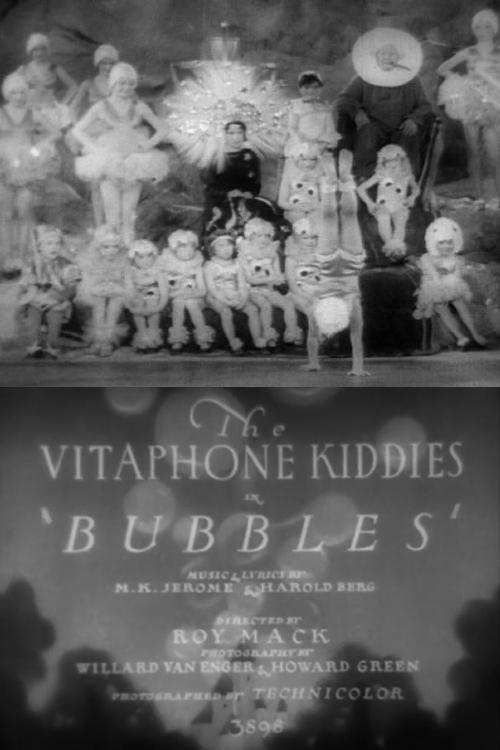
The short film Bubbles is introduced as a 1930 Vitaphone Variety released by Warner Bros. in Technicolor. It serves as a foundational document of early sound cinema.
Key Events
-
Film Introduction — Introduction of the 1930 short film Bubbles as a Vitaphone Variety.
Location: Warner Bros. Archive
-
Release Details — Film released by Warner Bros. in Technicolor format.
Location: Theatrical Circuit
Technical Production
Filming took place in December 1929 at the First National Pictures studio. The production heavily relied on Western Electric apparatus for early sound-on-film recording.
Key Events
-
Studio Filming — Production captured in December 1929 at the designated studio.
Location: First National Pictures Studio
-
Technical Setup — Utilization of early sound-on-film technology for audio capture.
Location: Recording Booth
Performance Recording
The recording process captured synchronized audio and visual elements. Eight-year-old Judy Garland appears, marking one of her earliest surviving film performances.
Key Events
-
Technical Setup — Utilization of early sound-on-film technology for audio capture.
Location: Recording Booth
-
Sound Integration — Synchronization of audio and visual elements during post-production.
Location: Sound Stage
Legacy & Preservation
The short film survives as a rare example of early Technicolor and sound technology. It remains a valuable artifact for studying the transition to talkies.
Key Events
-
Garland Appearance — Eight-year-old Judy Garland appears in one of her earliest film recordings.
Location: Performance Set
-
Historical Context — Recognition of the short as a surviving early sound example.
Location: Film Archive
-
Legacy Preservation — Film preserved as a significant artifact of early cinema history.
Location: Cultural Repository