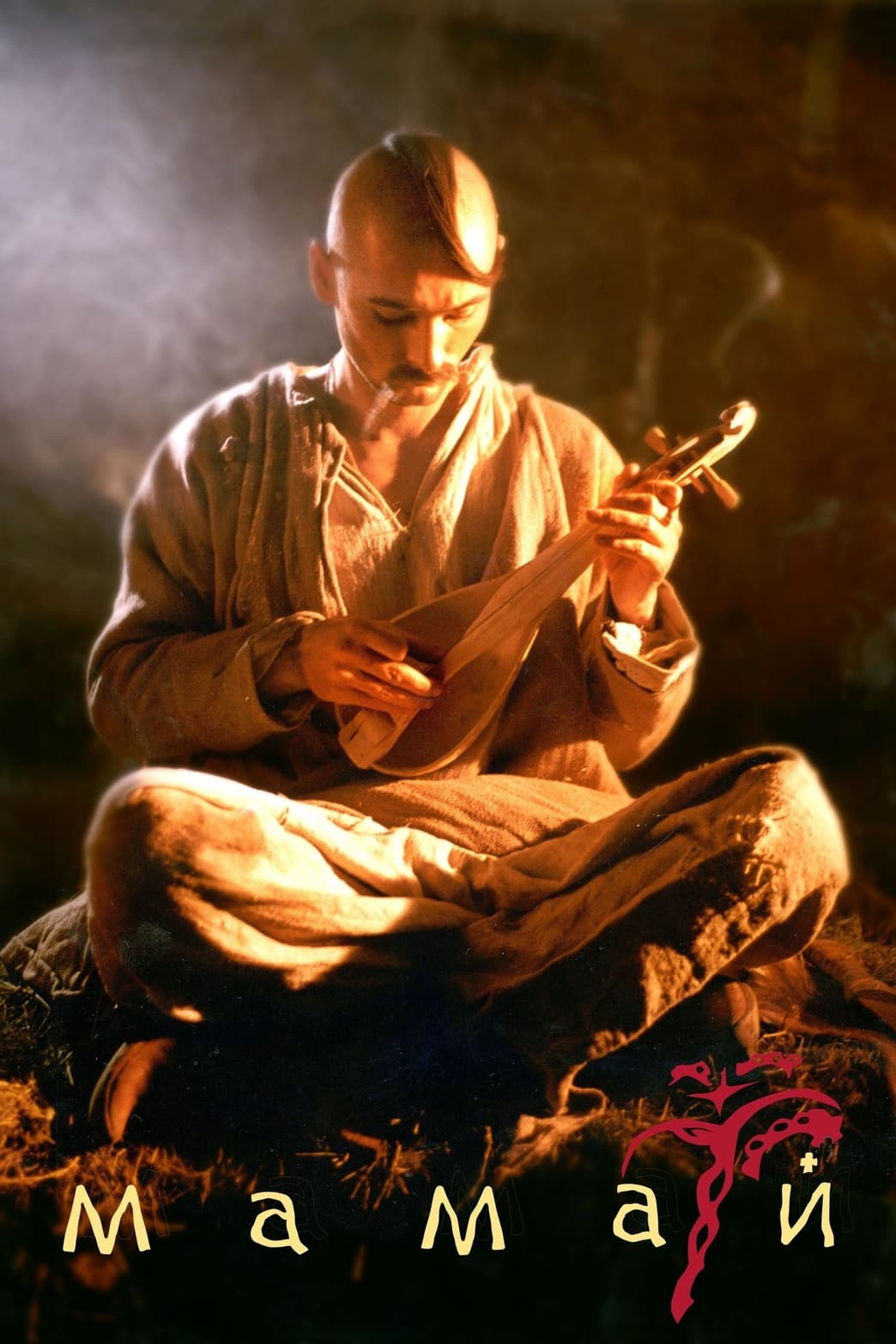
Mamay (2003) character relationship network mapped with AI analysis. Explore the connections, alliances, and conflicts between characters.
Characters
Eldest brother
(played by Serhii Romaniuk) — supporting
One of the brothers fleeing captivity with their sister after their people are defeated. He refuses to wait for the youngest brother, arguing that doing so would let the Tatar warriors recapture them...
Tatar warrior
(played by Akhtem Seitablaiev) — supporting
Middle brother
(played by Oles Sanin) — supporting
One of the brothers who escapes with their sister after the defeat, leaving the youngest behind while fleeing the Tatar warriors. Unlike the Eldest brother, he secretly tears up grass to mark a trail...
Canonical Relationships
Family, romantic, and professional connections based on plot evidence.
Eldest brother → Middle brother
(Family Brothers) — They share a family bond but disagree over whether to risk their escape to help the youngest brother.
The story identifies the Eldest brother and Middle brother among the siblings who flee captivity. Later, the Middle brother leaves a trail for the you...
Story Dynamics
Alliances, conflicts, and narrative interactions that evolve throughout the story.
Middle brother → Tatar warrior
(Conflict Enemy) — The warriors are a danger during the flight that separates the brothers.
The brothers flee from Tatar warriors after their people are defeated. The Middle brother later regrets abandoning the youngest, while the brothers fe...
Eldest brother → Tatar warrior
(Conflict Enemy) — The threat of capture by the Tatar warriors drives the Eldest brother to prioritize escape over returning for the youngest.
The brothers flee from Tatar warriors after their people are defeated, and the Eldest brother says waiting could let the warriors recapture them.
Story Analysis
A legend of hidden identity, familial separation, and a wanderer whose history becomes part of the steppe's stories.
Plot Progression
The Name and the Sacred Cradle
— A child receives the name Mamay to hide his identity. The golden singing cradle is introduced as a sacred relic burdened by a dangerous curse.
Flight from Captivity
— After defeat, siblings flee the Tatar warriors. The youngest is left behind despite pleading for help, and the brothers cannot bring themselves to kill him.
Signs Across the Steppe
— The Middle brother leaves a trail, while the Eldest argues against risking their escape. The youngest follows the signs and finds a discarded red garment.
Regret and Unresolved Separation
— The brothers fear for the youngest and the Middle brother imagines welcoming him back. The Eldest continues to defend their decision as a response to the threat of recapture.
The Wanderer Returns to Story
— The steppe is shown as a war-scarred place where rumors of the cradle persist. Mamay arrives without a home, and the account leaves his identity deliberately uncertain.
Directed by Oles Sanin
Mamay (2003) · 6.5/10 · drama, history
Content sources
Related entry on
Wikidata
(Q6745475), public domain (CC0).
Plot breakdown and analysis on this page are AI-generated from the title's synopsis and metadata.