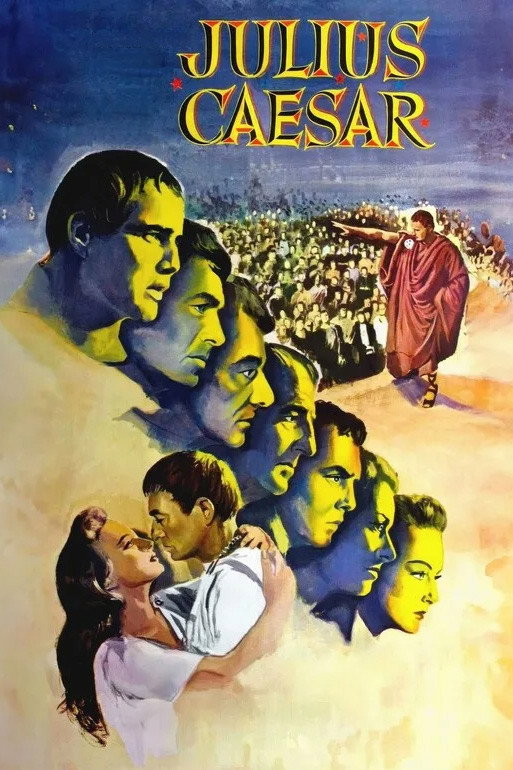
Julius Caesar (1953) character relationship network mapped with AI analysis. Explore the connections, alliances, and conflicts between characters.
After Julius Caesar's murder, he mourns over the body and predicts civil violence, bloodshed, and revenge throughout Italy. He is permitted to conduct the funeral under restrictions imposed by the con...
A conspirator in Julius Caesar's assassination who later addresses the citizens, asking them to judge his actions by his honor and asserting that his love for Caesar was genuine. He later quarrels bit...
He interprets the violent storm and supernatural signs as reflections of Julius Caesar's growing power. He opposes Caesar becoming king, turns Casca against Caesar's ambitions, and later quarrels with...
His triumph is celebrated by Roman citizens, while some officials condemn the celebration. Despite warnings, frightening omens, and Calpurnia's pleas, he insists on going to the Capitol, where he is m...
During the violent storm, he discusses terrifying omens and visions. Cassius works to turn him against Julius Caesar's ambitions.
She fears the horrifying prodigies surrounding Julius Caesar and repeatedly begs him to remain at home rather than go to the Capitol.
Family, romantic, and professional connections based on plot evidence.
Brutus and the conspirators permit Mark Antony to conduct Caesar's funeral only if he does not openly condemn them and speaks with their approval.
During the storm, Cassius interprets the omens as evidence of Caesar's dangerous ambition and begins turning Casca against Caesar's ambitions.
Alliances, conflicts, and narrative interactions that evolve throughout the story.
Calpurnia warns Caesar about horrifying prodigies and begs him to remain at home instead of going to the Capitol.
Cicero and Casca discuss the terrifying omens, while Cassius separately interprets the same storm as a reflection of Caesar's growing power.
Cicero and Casca discuss the storm, unnatural fires, frightening visions, and other signs that seem to threaten Rome.
The plot against Caesar succeeds through the actions of Brutus, Cassius, and the other conspirators. Later, Cassius and Brutus argue over corruption a...
Cassius interprets the storm as a sign of Caesar's growing power and declares that he would rather die than live under Caesar as king.
Brutus helps authorize the conspiracy against Caesar, yet later says that his love for Caesar was no less than the citizens' love.
The character background identifies Mark Antony as a relative and supporter of Julius Caesar. After Caesar's murder, Antony mourns him and predicts vi...
Political ambition, assassination, public persuasion, and factional mistrust transform Rome from celebration into anticipated civil violence.
Directed by Joseph L. Mankiewicz
Julius Caesar (1953) · 7.1/10 · drama, history
Related entry on Wikidata (Q734950), public domain (CC0).
Plot breakdown and analysis on this page are AI-generated from the title's synopsis and metadata.