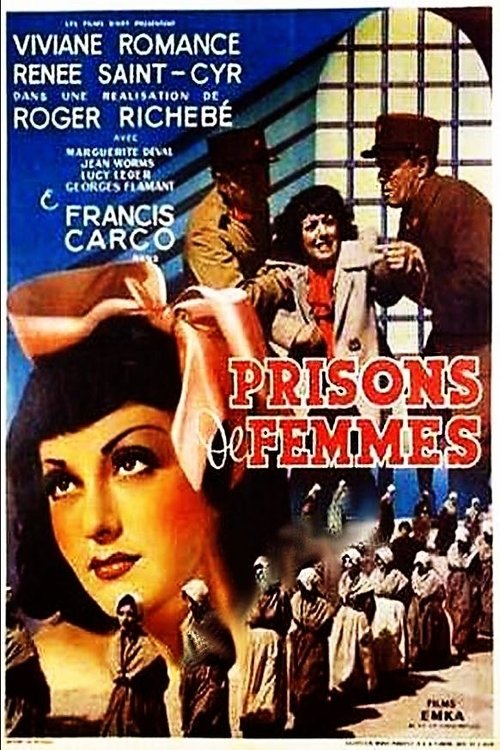
A post-incarceration journey focusing on social reintegration and female empathy rather than prison sensationalism.
The film originates from a 1930 novel by Francis Carco and is brought to screen by director Roger Richebé. Production takes place primarily at Neuilly Studios with supplementary shooting at the Convent of the Ursulines. Art director Roland Quignon establishes the visual tone.
The narrative distinguishes itself by portraying female inmates with genuine sympathy rather than sensationalism. This empathetic approach resonates with audiences, driving strong box office performance alongside contemporary prison dramas.
Despite its title, the story deliberately minimizes prison footage to focus on post-incarceration life. The protagonist exits jail and navigates the transition into civilian society, marking a structural shift in the plot.
The character marries an industrialist and actively attempts to forge a respectable new life. This journey of social reintegration and personal renewal forms the emotional core, later inspiring multiple international remakes.
Roger Richebé
Rating: 5.8/10 (5 votes)
Plot analysis generated from content on Wikipedia, licensed under CC BY-SA 4.0.
Related entry on Wikidata (Q3404019), public domain (CC0).