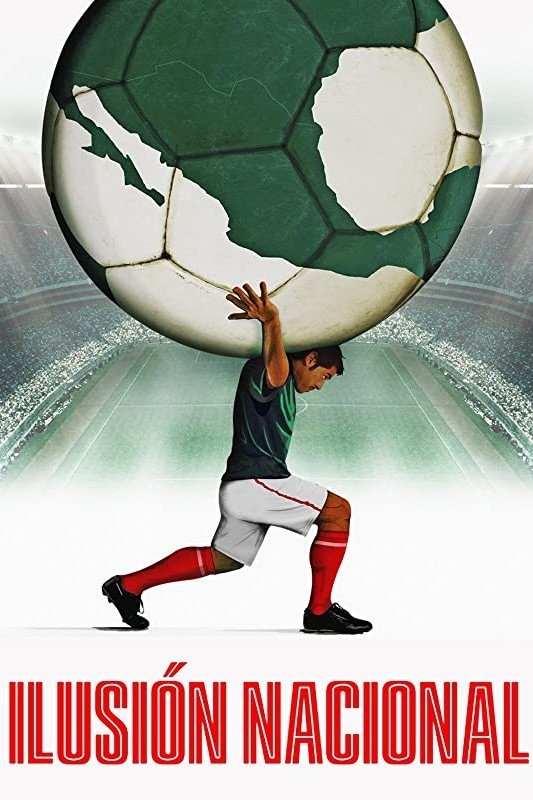
A documentary tracing Mexico's national football history through archival footage, political context, and societal impact.
Story Structure — 4 Plot Phases
Olympic Origins & Early Years
Traces Mexico's football debut in 1928 and compiles early archival footage.
Key Events
1928 Olympic Debut — Chronicles Mexico's international football debut at the 1928 Summer Olympics. Characters: NarratorLocation: Amsterdam, Netherlands
Early Match Compilation — Compiles early archival footage and player interviews from the pre-World Cup era. Characters: NarratorLocation: Film Archive
1970 World Cup Hosting — Highlights Mexico's first time hosting the FIFA World Cup and national pride. Characters: NarratorLocation: Mexico City, Mexico
Societal Integration — Explores how football deeply intertwines with Mexican politics and daily society. Characters: NarratorLocation: Documentary Studio
World Cup Hosting & Political Shifts
Explores the 1970 and 1986 World Cups, highlighting societal integration and political backdrops.
Key Events
Societal Integration — Explores how football deeply intertwines with Mexican politics and daily society. Characters: NarratorLocation: Documentary Studio
1985 Earthquake Impact — Details the devastating earthquake that broke stadium sound systems during the era. Characters: NarratorLocation: Mexico City, Mexico
Anthem Resonance — Fans sing the national anthem aloud to compensate for the broken sound systems. Characters: NarratorLocation: Stadiums, Mexico
1986 World Cup Resilience — Showcases the nation's recovery and passionate hosting of the 1986 World Cup. Characters: NarratorLocation: Mexico City, Mexico
Scandals, Disasters & Resilience
Covers the 1985 earthquake, youth team age fraud, FIFA disqualification, and fan resilience.
Key Events
Youth Team Scandal — Reveals the political scandal where youth players were forced to sign fake age documents. Characters: NarratorLocation: FIFA Headquarters
FIFA Disqualification — Mexico faces subsequent disqualification from upcoming World Cups due to the scandal. Characters: NarratorLocation: International Arena
Sports Violence Coverage — Briefly examines sports violence among nations and opposing fan groups. Characters: NarratorLocation: Documentary Archive
U-17 Competition Focus — Shifts focus to Mexico's youth development and U-17 football competitions. Characters: NarratorLocation: Youth Tournaments
2005 U-17 Victory — Celebrates Mexico's first major U-17 international tournament victory. Characters: NarratorLocation: International Stadium
Modern Triumphs & Final Reflection
Details U-17 victories, the 2012 Olympics, and concludes with Galeano's monologue on football's societal power.
Key Events
2005 U-17 Victory — Celebrates Mexico's first major U-17 international tournament victory. Characters: NarratorLocation: International Stadium
2011 U-17 Victory — Highlights the second U-17 championship win, cementing youth development success. Characters: NarratorLocation: Global Arena
2012 London Olympics — Covers Mexico's participation in the Mexico-Brazil match at the 2012 Olympics. Characters: NarratorLocation: London, UK
Modern Era Reflection — Synthesizes decades of progress, setbacks, and cultural significance in Mexican football. Characters: NarratorLocation: Film Archive
Galeano Monologue Intro — Introduces the closing segment featuring a monologue by Eduardo Galeano. Characters: NarratorLocation: Documentary Studio
Football's Societal Impact — Galeano discusses football's dramatic impact on society and its ability to uplift nations. Characters: NarratorLocation: Global Context
National Legacy Summary — Recaps the enduring legacy of the Mexican national team across generations. Characters: NarratorLocation: Film Archive
Final Archival Montage — Displays a rapid montage of key historical moments and fan celebrations. Characters: NarratorLocation: Film Archive
Film Conclusion — The documentary ends with a reflective tone on Mexico's football journey. Characters: NarratorLocation: Screen
Story Breakdown
Olympic Beginnings — Establishes the historical foundation of Mexican football on the global stage.
1928 Debut — Documents the team's first international appearance at the Amsterdam Olympics.
Archival Foundations — Compiles early match footage and player interviews to set the historical tone.
World Cup Hosting — Explores Mexico's dual role as a competitive participant and tournament host.
1970 Tournament — Highlights national pride and infrastructure development during the first hosted World Cup.
1986 Resilience — Showcases the nation's recovery and passionate organization of the second hosted event.
Societal Impact — Analyzes how football intersects with Mexican politics, culture, and public life.
Political Backdrop — Examines how government policies and social movements influenced team dynamics.
Fan Culture — Details supporter traditions, stadium atmosphere, and collective national identity.
Scandals & Setbacks — Documents administrative failures and external conflicts that tested the sport's integrity.
Age Fraud Case — Reveals the forced falsification of youth player documents for international eligibility.
FIFA Disqualification — Tracks the regulatory consequences and tournament bans resulting from the scandal.
Youth Development — Focuses on grassroots programs and junior teams achieving international recognition.
U-17 Competitions — Tracks consistent participation and strategic growth in under-17 global tournaments.
2005 & 2011 Wins — Celebrates championship victories that validated decades of youth investment.
Modern Era & Legacy — Concludes with recent achievements and philosophical reflections on the sport's power.
2012 Olympics — Covers the Mexico-Brazil match and continued relevance in contemporary football.
Galeano Monologue — Features a closing narrative on football's capacity to uplift societies worldwide.
A sport like football is primarily a passionate celebration, but one that is so massive (economically, politically and socially) that it, of course, also brings many problems. Olallo Rubio's third documentary (and fourth film in total), Ilusión Nacional, is a take on how the world's most popular sport relates to Mexican society and politics.