Story Structure — 4 Plot Phases
The Guardian and the Old Legend
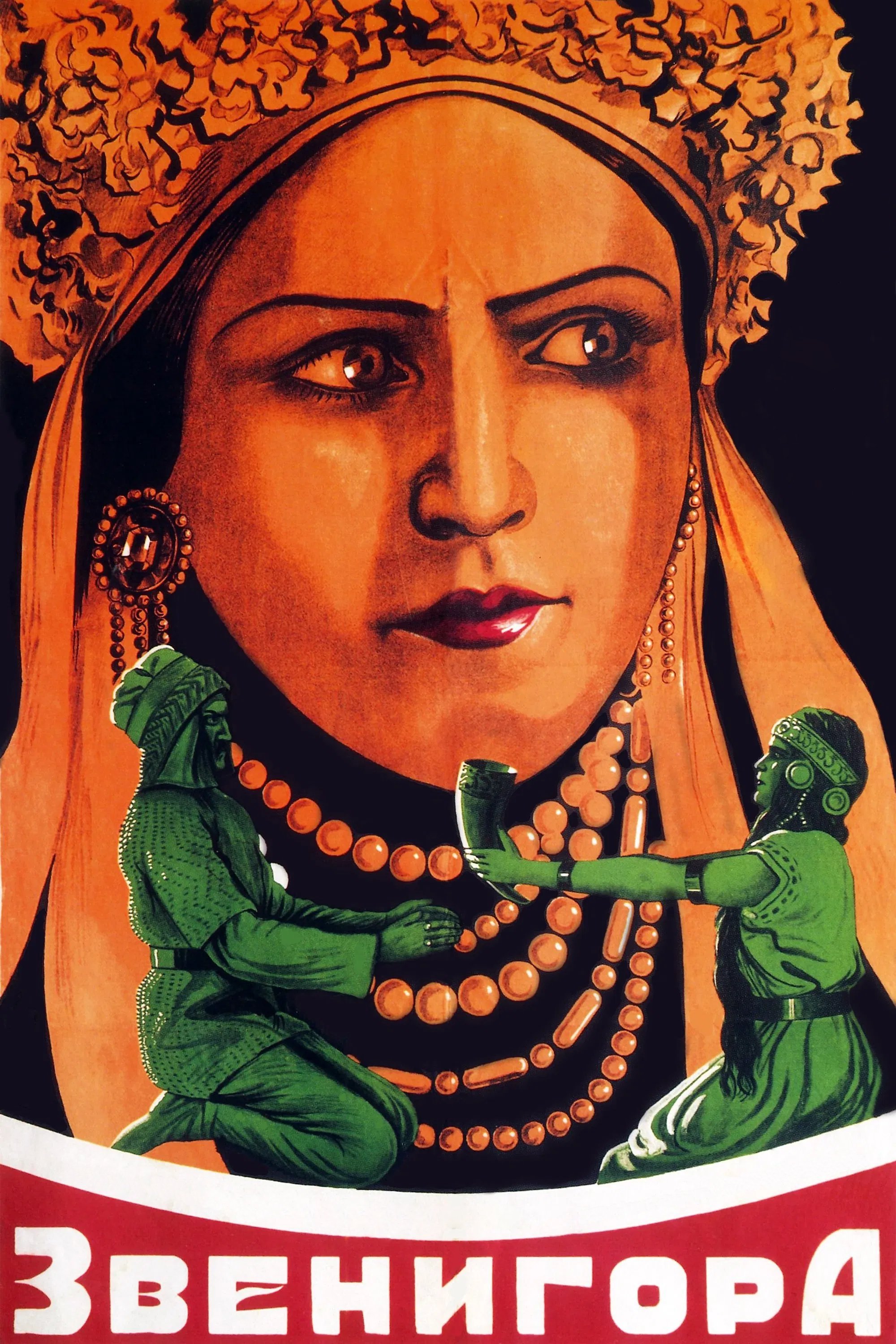
Grandpa guards Zvenigora's buried treasure and recalls a warning about its vaults. He tells his grandsons how the treasure became part of a legend tied to Oksana and a transformed landscape.
Key Events
-
Grandpa Guards the Treasure — Grandpa guards the legendary riches, expecting outsiders to come for them. Characters: Grandpa / General
Location: Zvenigora
-
A Vision with the Haydamaks — In a vision, Grandpa joins the Haydamaks and is warned not to disturb the vaults. Characters: Grandpa / General
Location: Zvenigora
-
Railways Cross the Steppes — Time passes as railways cross the steppes and the world around the legend changes. Characters: Grandpa / General
Location: The steppes
-
The Grandsons Are Introduced — Grandpa's family grows, and the plot identifies Timoshka and Pavel as his grandsons. Characters: Grandpa / General, Timoshka, First Grandson, Pavel, Second Grandson
Location: The family home
-
The Treasure's Origin — Grandpa recounts the treasure's origin and the arrival of a people under a chieftain. Characters: Grandpa / General, Timoshka, First Grandson, Pavel, Second Grandson
Location: The family home
-
Oksana's Betrayal — Grandpa's legend says Oksana falls in love with the chieftain and betrays her people. Characters: Oksana / Roksana
Location: The legendary landscape
-
The Landscape Becomes a Legend — After the chieftain curses Oksana and his riches, the landscape becomes part of the legend. Characters: Grandpa / General, Oksana / Roksana
Location: Lake, ravine, reeds, wells, and caves
Brothers Divided by Upheaval
As war and revolution reshape their world, Pavel rides away while Timoshka continues onward despite a plea to turn back. Grandpa also appears as a General attempting to command soldiers and overseeing a firing squad.
Key Events
-
Grandpa's Family Claim — Grandpa believes his family will eventually claim the treasure. Characters: Grandpa / General, Timoshka, First Grandson, Pavel, Second Grandson
Location: Zvenigora
-
Pavel Rides Away — Pavel rides away from the village as the brothers take different paths. Characters: Pavel, Second Grandson
Location: The village
-
Timoshka Presses On — Caught up in upheaval, Timoshka refuses a plea to turn back and continues onward. Characters: Timoshka, First Grandson
Location: The road
-
Grandpa as General — Grandpa appears as a General, attempting to command soldiers amid conflict. Characters: Grandpa / General
Location: A military setting
-
The Firing Squad — As General, Grandpa personally oversees a firing squad. Characters: Grandpa / General
Location: A firing-squad setting
Study and the Search for Riches
Timoshka studies in Prague and seeks the truth behind Zvenigora. Pavel takes a different course, presenting himself as a Ukrainian prince and using a lecture to raise money for an expedition.
Key Events
-
Timoshka Studies in Prague — Timoshka studies in Prague, burdened by formulas as he seeks Zvenigora's true secret. Characters: Timoshka, First Grandson
Location: Prague
-
Pavel Performs as a Prince — Pavel presents himself to audiences as a Ukrainian prince and lectures about Ukraine and the Bolsheviks. Characters: Pavel, Second Grandson
Location: An audience hall
-
Six Thousand Dollars — Pavel uses his performance to obtain money for another treasure expedition. Characters: Pavel, Second Grandson
Location: An audience hall
The Unresolved Mountain
Pavel repeats his performance alongside imagery of a fire monster guarding the treasure. The film leaves the mystery of Zvenigora and the fate of its riches unresolved.
Key Events
-
The Fire Monster — Pavel repeats his performance alongside images and words of a fire monster guarding the treasure. Characters: Pavel, Second Grandson
Location: An audience hall
-
The Treasure Remains Unresolved — The mystery endures, and the fate of Zvenigora's riches remains unresolved. Characters: Grandpa / General, Timoshka, First Grandson, Pavel, Second Grandson
Location: Zvenigora