Plot Analysis Summary
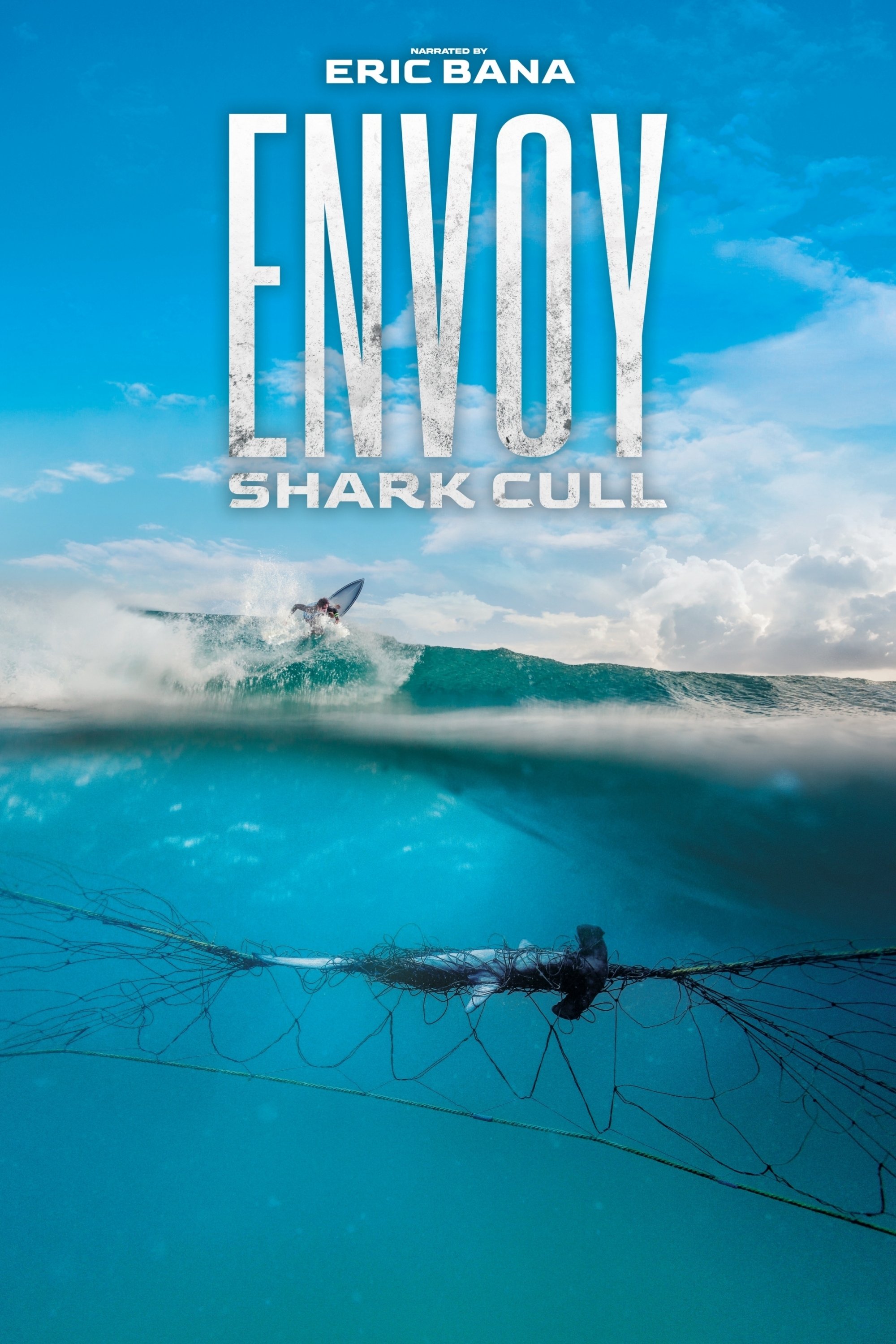
The documentary questions lethal shark-control policies, reveals their ecological and bycatch costs, and considers nonlethal ways for people and sharks to coexist.
Story Structure — 4 Plot Phases
Fear and the Drumline
Reports of attacks and the killing of a great white establish public anxiety and uncertainty about whether the shark was involved. Interviews then challenge fear-based perceptions and question the consequences of drumlines.
Key Events
-
Mandurah Attack Reports — News reports of shark attacks near Mandurah introduce public fear and the documentary's central question. Characters: Narrator (voice)
Location: Mandurah
-
Great White on a Drumline — A great white is killed after being caught on a drumline, with no confirmation it was involved in an attack. Characters: Narrator (voice)
Location: Mandurah area
-
Questioning the Monster Image — The narration challenges the fear-driven portrayal of sharks as monsters. Characters: Narrator (voice)
Location: Documentary narration
-
Risk of Disappearance — The narrator asks whether human ignorance and protective measures threaten sharks with disappearance. Characters: Narrator (voice)
Location: Documentary narration
-
Learning Replaces Fear — Surfers, divers, scientists, and advocates describe how knowledge and encounters can replace fear with understanding. Characters: Narrator (voice)
Location: Ocean environments
-
Witnessing Drumline Deaths — Speakers recall sharks caught and dying on drumlines, prompting doubts about culling programs. Characters: Narrator (voice)
Location: Drumline sites
Control and Reef Loss
The documentary examines shark-control policies and criticism that they amount to killing rather than control. Accounts of a dying tiger shark and declining shark sightings at a Great Barrier Reef site underline ecological concerns.
Key Events
-
Witnessing Drumline Deaths — Speakers recall sharks caught and dying on drumlines, prompting doubts about culling programs. Characters: Narrator (voice)
Location: Drumline sites
-
Shark Control Policies — The documentary examines shark-control policies in Queensland and New South Wales. Characters: Narrator (voice)
Location: Queensland and New South Wales
-
Debating the Word Control — A participant argues that these programs kill sharks rather than control them. Characters: Narrator (voice)
Location: Documentary interviews
-
Tiger Shark on a Line — A speaker recalls the beauty and individuality of a tiger shark dying on a drumline. Characters: Narrator (voice)
Location: Drumline site
-
Sharks Sustain Reefs — Conservationists explain the ecological role sharks play in maintaining healthy reefs. Characters: Narrator (voice)
Location: Reef environments
-
Fewer Reef Sharks — A diver returns to a reef site where sharks once gathered around boats and finds them suddenly scarce. Characters: Narrator (voice)
Location: Great Barrier Reef
The Cost of Bycatch
Attention expands to animals other than sharks that become caught in nets and other culling methods. Reports of dead stingrays and a trapped humpback whale convey the severity of this often-overlooked harm.
Key Events
-
Fewer Reef Sharks — A diver returns to a reef site where sharks once gathered around boats and finds them suddenly scarce. Characters: Narrator (voice)
Location: Great Barrier Reef
-
Bycatch Beyond Sharks — The film broadens its focus to whales, dolphins, rays, and turtles caught by culling methods. Characters: Narrator (voice)
Location: Coastal net areas
-
Dead Stingrays Discovered — Divers recount finding dead stingrays, illustrating the overlooked cost of bycatch. Characters: Narrator (voice)
Location: Coastal waters
-
Humpback Trapped in Net — Divers recount finding a humpback whale trapped in a net. Characters: Narrator (voice)
Location: Coastal waters
-
Endangered Bycatch — The documentary emphasizes that nets can catch endangered animals as well as other marine life. Characters: Narrator (voice)
Location: Coastal net areas
-
Seeking Nonlethal Options — The film contrasts culling harms with efforts to develop nonlethal ways to reduce risk. Characters: Narrator (voice)
Location: Coastal communities
Alternatives for Coexistence
The film turns to nonlethal approaches, including drone surveillance for lifeguards and a proposed electrical deterrent. It closes without declaring a final victory, emphasizing the possibility of a safer coexistence between people and sharks.
Key Events
-
Seeking Nonlethal Options — The film contrasts culling harms with efforts to develop nonlethal ways to reduce risk. Characters: Narrator (voice)
Location: Coastal communities
-
Drone Shark Surveillance — Drone surveillance is tested and adopted to help lifeguards spot sharks. Characters: Narrator (voice)
Location: Beaches
-
Electrical Deterrent Proposal — A proposed electrical field is intended to make a shark turn away. Characters: Narrator (voice)
Location: Coastal waters
-
No Final Victory — The documentary presents alternatives without claiming a final victory over the problem. Characters: Narrator (voice)
Location: Documentary narration
-
A Safer Shared Future — The closing emphasis is on the possibility of people and sharks coexisting more safely. Characters: Narrator (voice)
Location: Coastal waters