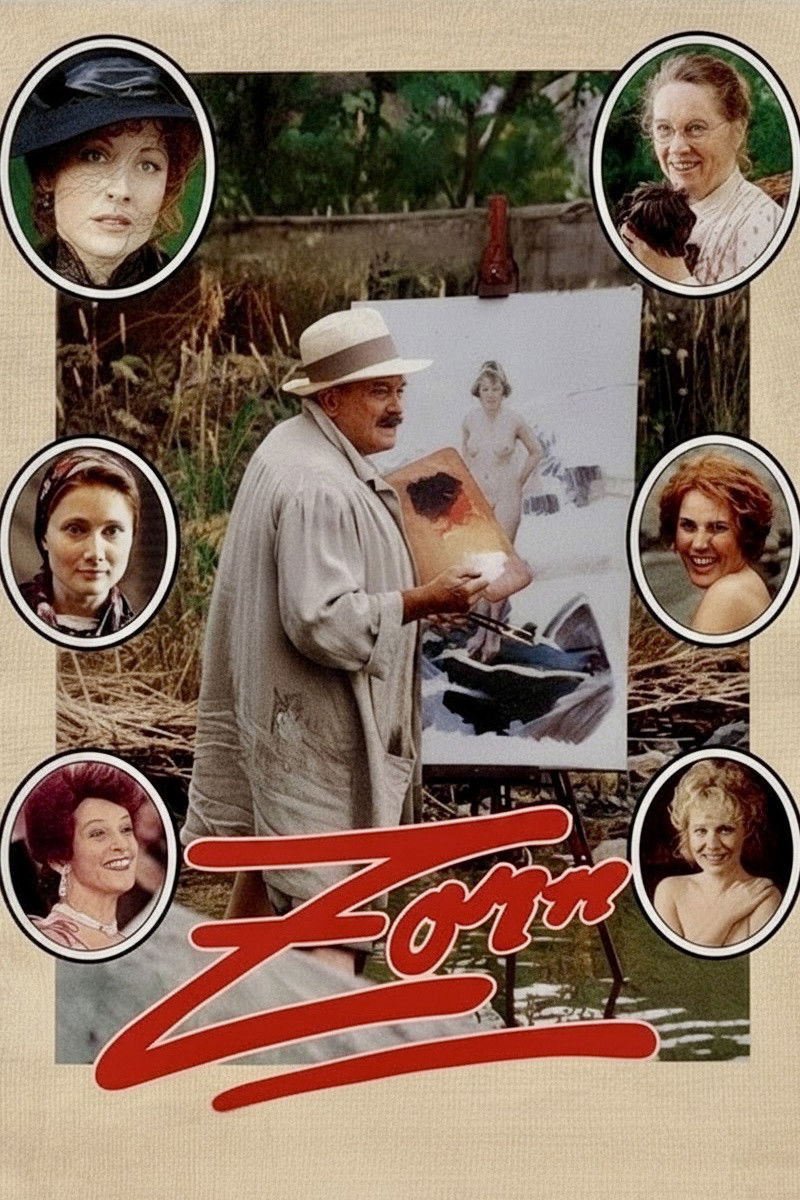
Zorn (1994) character relationship network mapped with AI analysis. Explore the connections, alliances, and conflicts between characters.
Characters
Anders Zorn
(played by Gunnar Hellström) — protagonist
Anders Zorn is the film's central figure, a celebrated artist whose success is accompanied by heavy drinking, infidelity, vanity, and resistance to responsibility. He paints models, quarrels with Emma...
Emma Zorn
(played by Liv Ullmann) — supporting
Emma Zorn is Anders Zorn's wife and the principal voice of domestic frustration in the story. She welcomes his return but confronts him over alcohol, servants, models, mistresses, and his neglect of f...
Isaac Grünewald
(played by Rikard Wolff) — supporting
Isaac Grünewald is an artist who visits Anders Zorn and challenges his artistic confidence by criticizing his work. Anders responds with hostility, turning their exchange into a conflict between estab...
Albert Engström
(played by Stig Grybe) — supporting
Albert Engström is Anders Zorn's companion within the film's artistic and drinking circles. He drinks with Anders at the opening and later remains with Anders and Ols-Maria in a restaurant until early...
Beda
(played by Birgitte Söndergaard) — supporting
Beda is one of the models directed by Anders Zorn during his artistic work. The plot places her within the circle of women who contribute to Anders's painting, contrasting his professional artistic ac...
Canonical Relationships
Family, romantic, and professional connections based on plot evidence.
Anders Zorn → Beda
(Professional Artist And Model) — Beda is connected to Anders through his work as a painter and her role as a model.
Anders directs models such as Beda while discussing and pursuing his painting.
Anders Zorn → Emma Zorn
(Family Husband) — They are married, but their relationship is deeply strained by Anders's drinking, infidelity, and refusal to change.
Emma Zorn welcomes Anders as her husband, and their arguments repeatedly concern the failures and disappointments within their marriage.
Story Dynamics
Alliances, conflicts, and narrative interactions that evolve throughout the story.
Emma Zorn → Albert Engström
(Social Connection) — The plot supports a shared social sphere, but does not establish a close personal bond between them.
Albert is part of Anders's close social environment, which is also connected to the household and marriage conflicts described by Emma.
Anders Zorn → Isaac Grünewald
(Conflict Artistic Rival) — Their confrontation represents a clash between artistic traditions, modern art, and personal vanity.
Isaac Grünewald visits and criticizes Anders's work, and Anders responds with equal hostility.
Anders Zorn → Albert Engström
(Social Friend) — Albert is Anders's companion in artistic conversation, drinking, and social excess.
Anders drinks and discusses women, painting, and artistic ambition with Albert Engström.
Story Analysis
The film portrays an artist whose success and artistic confidence cannot overcome alcoholism, infidelity, illness, and marital estrangement.
Plot Progression
Liquor and Artistic Freedom
— Anders Zorn is introduced through drinking, artistic ambition, and a rejection of restraint. His conversations with Albert and his work with models establish a life organized around pleasure and paint...
A Marriage Under Strain
— After returning to Sweden as a successful gentleman, Anders faces Emma's hopes for family reconciliation. His refusal to attend the birthday dinner exposes their incompatible attitudes toward respecta...
Scandal and Reputation
— Anders's attraction to a young household model becomes a subject of village discussion. The baptism dispute and memories of career insults connect private shame with public reputation.
Artistic Vanity Challenged
— Isaac Grünewald criticizes Anders's work, provoking a hostile exchange. The dispute reflects the broader tension between artistic tradition, modern art, and wounded pride.
Habits Without Resolution
— Anders's late-night restaurant excess leads back to the marriage conflict. Emma condemns his drinking and illness, but his anger and self-pity prevent meaningful change.
Directed by Gunnar Hellström
Zorn (1994) · 5.5/10 · drama
Content sources
Related entry on
Wikidata
(Q4024818), public domain (CC0).
Plot breakdown and analysis on this page are AI-generated from the title's synopsis and metadata.