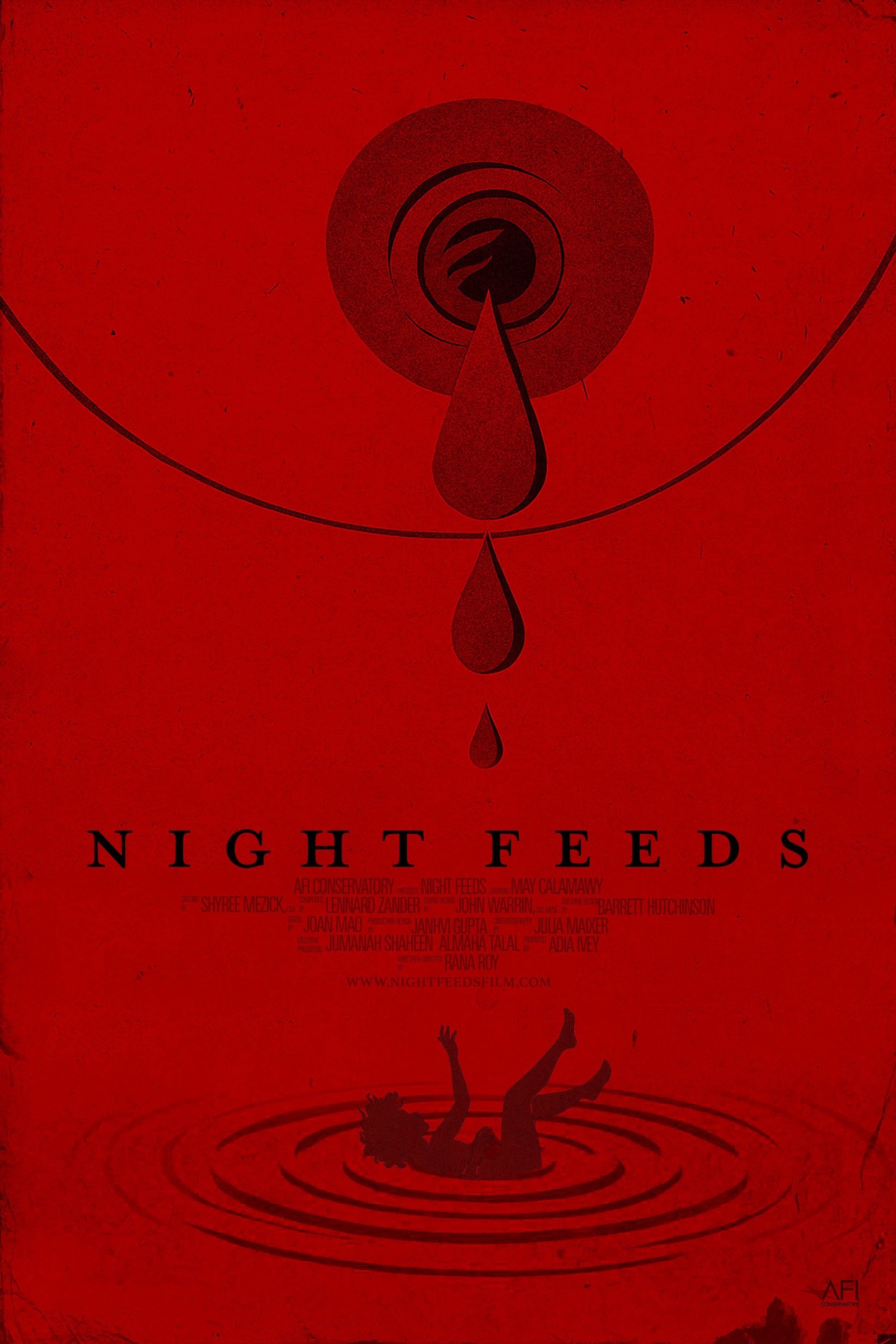
Plot Analysis Summary
A sleep-deprived new mother's fear for her baby spirals through body horror, blurred realities, and uncertain help.
Story Structure — 5 Plot Phases
The Exhausting Beginning
A new mother begins caring for her baby through repeated night feeds. Sleep deprivation gradually turns ordinary caregiving into a source of fear.
Key Events
-
New Motherhood Begins — A new mother enters a demanding period of infant care.
-
Night Feeding Routine — Night feeds establish the exhausting cycle of maternal care.
-
Sleep Deprivation — Repeated nighttime care leaves the new mother severely sleep-deprived.
-
Fear For The Baby — The mother's exhaustion becomes entangled with fear for her baby's safety.
-
Daytime Exhaustion — The strain of nighttime care continues into the day.
-
Night And Day Blur — The mother's experience begins to cycle indistinctly between night and day.
Reality Starts Slipping
Night and day begin to blur as the mother's exhaustion grows. Nightmare and reality become increasingly difficult to separate.
Key Events
-
Night And Day Blur — The mother's experience begins to cycle indistinctly between night and day.
-
Reality Becomes Unstable — Exhaustion makes it increasingly difficult to distinguish reality from nightmare.
-
Nightmare Intrusion — Nightmare imagery begins to intrude upon the mother's waking experience.
-
Body Horror Emerges — The psychological crisis takes on a disturbing bodily-horror dimension.
-
Protective Vigilance — Concern for the baby's safety intensifies the mother's vigilance.
-
Cycles Repeat — Night and day continue repeating as nightmare and reality overlap.
The Body Horror Deepens
The psychological crisis develops into body horror while the mother remains focused on protecting her baby. Repeated cycles intensify her uncertainty.
Key Events
-
Cycles Repeat — Night and day continue repeating as nightmare and reality overlap.
-
Perception Fractures — The seamless overlap of dream and reality further destabilizes perception.
-
Help Is Offered — An offer of help appears within the mother's escalating crisis.
-
Trust Becomes The Question — The offered help creates uncertainty about whom or what can be trusted.
-
Safety Feels Uncertain — The mother's fear for the baby becomes inseparable from doubts about assistance.
-
Nightmare And Reality Merge — The distinction between nightmare and reality reaches a deeper collapse.
An Offer Of Help
Help is offered during the mother's unstable experience. Instead of providing certainty, the offer raises the question of whether it can be trusted.
Key Events
-
Help Is Offered — An offer of help appears within the mother's escalating crisis.
-
Trust Becomes The Question — The offered help creates uncertainty about whom or what can be trusted.
-
Safety Feels Uncertain — The mother's fear for the baby becomes inseparable from doubts about assistance.
-
Nightmare And Reality Merge — The distinction between nightmare and reality reaches a deeper collapse.
-
Maternal Fear Peaks — Fear for the baby's safety reaches an extreme point.
The Uncertain Threshold
Fear for the baby's safety reaches its peak as nightmare and reality merge. The story closes around unresolved uncertainty about trust and perception.
Key Events
-
Help Under Suspicion — The possibility of help remains shadowed by unresolved distrust.
-
Reality Remains Ambiguous — The story sustains ambiguity between psychological experience, nightmare, and reality.
-
Unresolved Trust — The central question of whether help can be trusted remains the final tension.
A psychological body horror following a sleep-deprived new mother fearing for her baby's safety as she cycles through night and day, nightmare and reality seamlessly. But when help is offered... can she trust it?