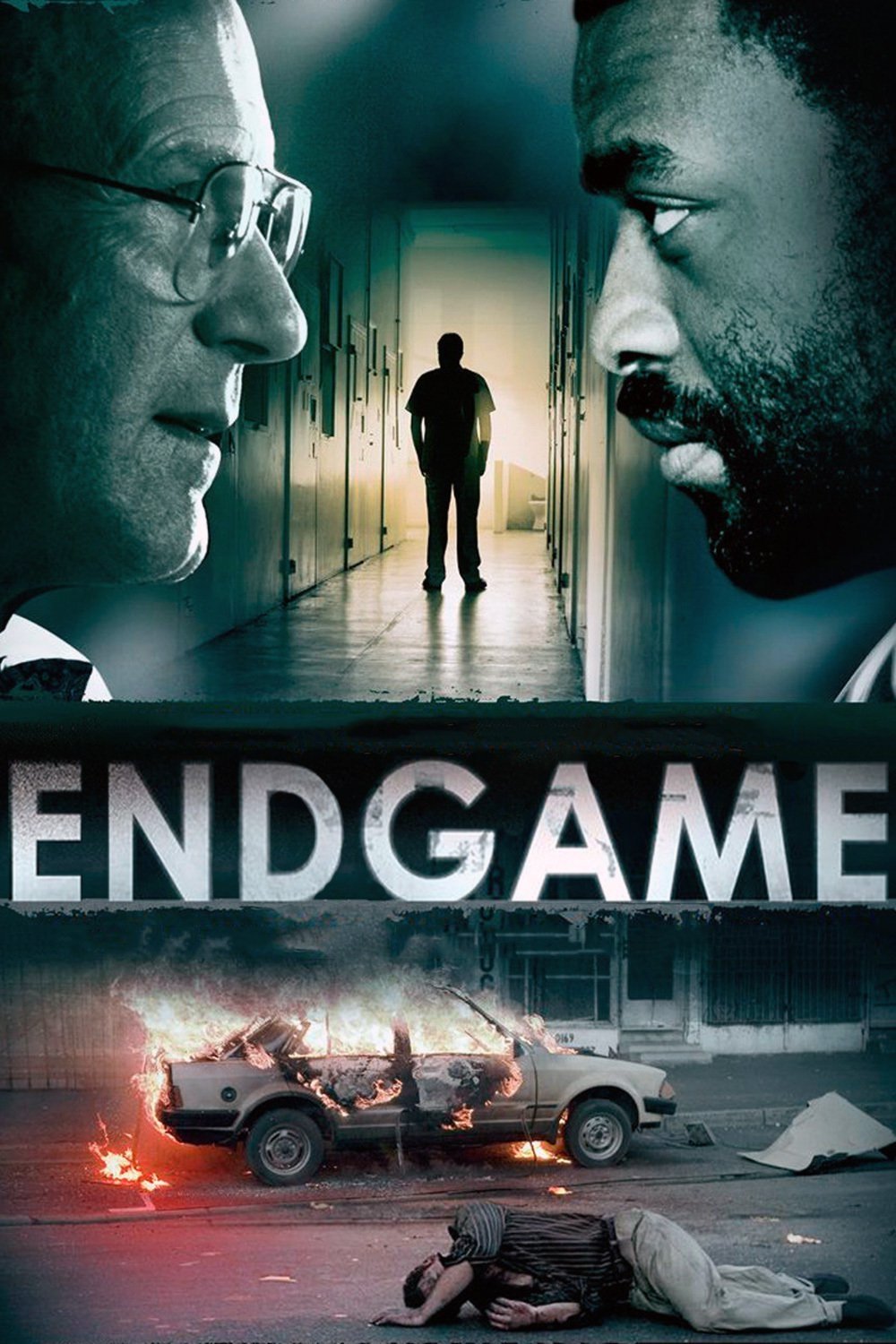
Plot Analysis Summary
Secret negotiations bring opposing sides into dialogue amid apartheid, political distrust, and unresolved demands.
Story Structure — 5 Plot Phases
Violence and the Case for Dialogue
The reference establishes the violent and repressive conditions of apartheid and introduces Ubuntu as an expression of shared humanity. In London, Mbeki condemns the State of Emergency and urges economic pressure.
Key Events
-
Apartheid Violence and Repression — A witness recalls police killing a father and forcing his children to watch.
Location: South Africa
-
Ubuntu and Shared Humanity — Ubuntu offers language for shared humanity amid injustice.
Location: South Africa
-
Mbeki Condemns Emergency Rule — Mbeki condemns the State of Emergency in South Africa. Characters: President Thabo Mbeki
Location: London gathering
-
Call for Economic Pressure — Mbeki urges British institutions to stop supporting the government economically. Characters: President Thabo Mbeki
Location: London gathering
-
Young Sees an Opening — Young sees a chance to create a neutral setting for secret talks. Characters: Michael Young
Location: London
A Secret Channel Takes Shape
Concerned that South Africa is becoming ungovernable, Young sees an opportunity to create a neutral setting for secret talks. The plan carries risks of surveillance, political fallout, and personal danger.
Key Events
-
Young Sees an Opening — Young sees a chance to create a neutral setting for secret talks. Characters: Michael Young
Location: London
-
A Risky Neutral Venue — Young helps organize a setting for government and ANC discussions. Characters: Michael Young
Location: England
-
Surveillance and Political Risk — The initiative faces surveillance, political fallout, and personal risk. Characters: Michael Young
Location: England
-
Barnard Represents Government — Barnard serves as the government's intermediary in the discussions. Characters: Dr. Niel Barnard
Location: Secret talks
-
Esterhuyse Joins Discussions — Esterhuyse joins the discussions and gradually becomes a channel of trust. Characters: Professor Will Esterhuyse
Location: Secret talks
Trust Under Political Pressure
Barnard represents the government while Esterhuyse joins the discussions and becomes a channel of trust. The sides disagree over demands that the ANC renounce violence and communist ties.
Key Events
-
Esterhuyse Joins Discussions — Esterhuyse joins the discussions and gradually becomes a channel of trust. Characters: Professor Will Esterhuyse
Location: Secret talks
-
Demands Over Armed Struggle — The government wants the ANC to renounce violence and communist ties. Characters: President Thabo Mbeki, Dr. Niel Barnard
Location: Secret talks
-
Mbeki Defends Resistance — Mbeki links armed resistance to the denial of democratic participation. Characters: President Thabo Mbeki
Location: Secret talks
-
Esterhuyse Discloses Reporting — Esterhuyse reveals that he reports to the government and cites trust. Characters: Professor Will Esterhuyse, President Thabo Mbeki
Location: Secret talks
-
Botha's Private Interest — Esterhuyse says Botha privately wants dialogue despite his public stance. Characters: Professor Will Esterhuyse, President Thabo Mbeki
Location: Secret talks
Mandela and the Limits of Concession
Tambo warns that the secret initiative could be seen as betrayal, while government representatives press Mandela to condemn ANC violence. Mandela refuses to abandon allies or reduce the conflict to a simple demand.
Key Events
-
Tambo Warns of Betrayal — Tambo warns that the talks may be seen as betrayal. Characters: Oliver Tambo, President Thabo Mbeki
Location: ANC political discussions
-
Mandela Faces Government Pressure — Government representatives press Mandela to condemn ANC violence. Characters: Nelson Mandela, Dr. Niel Barnard
Location: Negotiations
-
Mandela Refuses Isolation — Mandela refuses to abandon allies or simplify the causes of conflict. Characters: Nelson Mandela
Location: Negotiations
-
Mbeki Acknowledges Civilian Deaths — Mbeki acknowledges unauthorized cadres and civilian deaths. Characters: President Thabo Mbeki
Location: Secret talks
-
Democracy as an Exit — Mbeki says armed struggle becomes obsolete when democracy is possible. Characters: President Thabo Mbeki
Location: Secret talks
An Unresolved Opening
The government position shifts, new obstacles arise, and Young and the participants work to keep the channel open. De Klerk's arrival raises questions about minority rights, and the talks end unresolved but with a fragile opening toward change.
Key Events
-
Democracy as an Exit — Mbeki says armed struggle becomes obsolete when democracy is possible. Characters: President Thabo Mbeki
Location: Secret talks
-
Government Position Shifts — The government's position shifts as the negotiations encounter obstacles. Characters: Dr. Niel Barnard, Professor Will Esterhuyse
Location: Secret talks
-
Young Keeps the Channel Open — Young and the participants work to preserve the fragile channel. Characters: Michael Young
Location: Secret talks
-
De Klerk Raises Minority Rights — De Klerk's arrival raises questions about minority rights and white privilege.
Location: Secret talks
-
A Precarious Opening — The talks remain unresolved but the opposing sides begin meeting as people. Characters: Professor Will Esterhuyse, President Thabo Mbeki, Michael Young, Dr. Niel Barnard, Nelson Mandela, Oliver Tambo
Location: Secret talks