Story Structure — 5 Plot Phases
The Status Is Withdrawn
The British Government ends the special category status of Provisional IRA prisoners. They are reclassified as common criminals rather than prisoners of war.
Key Events
-
Special Status Ends — The British Government ends the special category status of Provisional IRA prisoners.
Location: Britain
-
Prisoners Reclassified — Republican prisoners are no longer treated as prisoners of war.
Location: British prison system
-
Criminal Classification — The prisoners are officially treated as common criminals.
Location: Britain
-
Woman Denied Status — A woman Republican becomes the first woman Republican refused political status in 1976.
Location: Northern Ireland
A Refusal Becomes Symbolic
A woman Republican is refused political status in 1976. This decision becomes part of the wider conflict over Republican prisoner identity.
Key Events
-
Woman Denied Status — A woman Republican becomes the first woman Republican refused political status in 1976.
Location: Northern Ireland
-
1980 Setting — The main historical setting moves to 1980 amid the continuing status dispute.
Location: Northern Ireland
-
Margaret Becomes Prime Minister — Margaret is identified as Prime Minister during the 1980 struggle. Characters: Margaret
Location: Britain
-
Government Position Hardens — Margaret is described as doggedly resolute against restoring political status. Characters: Margaret
Location: Britain
-
Crime Is Crime — Margaret states that someone serving a sentence for crime cannot receive political status. Characters: Margaret
Location: Britain
Thatcher Holds The Line
Set in 1980, the film presents Margaret as Prime Minister and as firmly opposed to political status for prisoners serving sentences for crime.
Key Events
-
Crime Is Crime — Margaret states that someone serving a sentence for crime cannot receive political status. Characters: Margaret
Location: Britain
-
Status Becomes Central Issue — Restoration of political status becomes the central issue of the prison protests.
Location: Northern Ireland
-
Armagh Women's Prison — The women's prison is identified as a key site of the protests.
Location: Armagh Women's Prison
-
Women Join Prison Protests — Women prisoners participate in the struggle for restored political status.
Location: Armagh Women's Prison
-
Women's Protest Gains Focus — The film emphasizes the smaller number of women prisoners involved in the protests.
Location: Armagh Women's Prison
Women Protest At Armagh
The struggle for restored political status becomes the focus of prison protests in Northern Ireland. The narrative gives particular attention to women prisoners at Armagh Women's Prison.
Key Events
-
Women's Protest Gains Focus — The film emphasizes the smaller number of women prisoners involved in the protests.
Location: Armagh Women's Prison
-
Female Republican Leadership — The women prisoners' protest is presented as led by a Republican woman.
Location: Armagh Women's Prison
-
Male Narrative Reframed — The film broadens the prison struggle beyond the more celebrated male prisoners.
Location: Northern Ireland
-
Women Receive Historical Focus — The narrative centers the less celebrated experiences of women Republican prisoners.
Location: Armagh Women's Prison
-
Government Versus Prisoners — The government's refusal of political status conflicts with the prisoners' restoration campaign. Characters: Margaret
Location: Britain and Northern Ireland
A Marginalized Struggle Remembered
The film expands attention beyond celebrated male prisoners to the smaller group of women prisoners. Their protest remains tied to the unresolved demand for political recognition.
Key Events
-
Government Versus Prisoners — The government's refusal of political status conflicts with the prisoners' restoration campaign. Characters: Margaret
Location: Britain and Northern Ireland
-
Political Status Demanded — The prison protest continues around the demand to regain political recognition.
Location: Armagh Women's Prison
-
Historical Struggle Intensifies — The opposing positions remain sharply defined between official policy and Republican prisoners. Characters: Margaret
Location: Northern Ireland
-
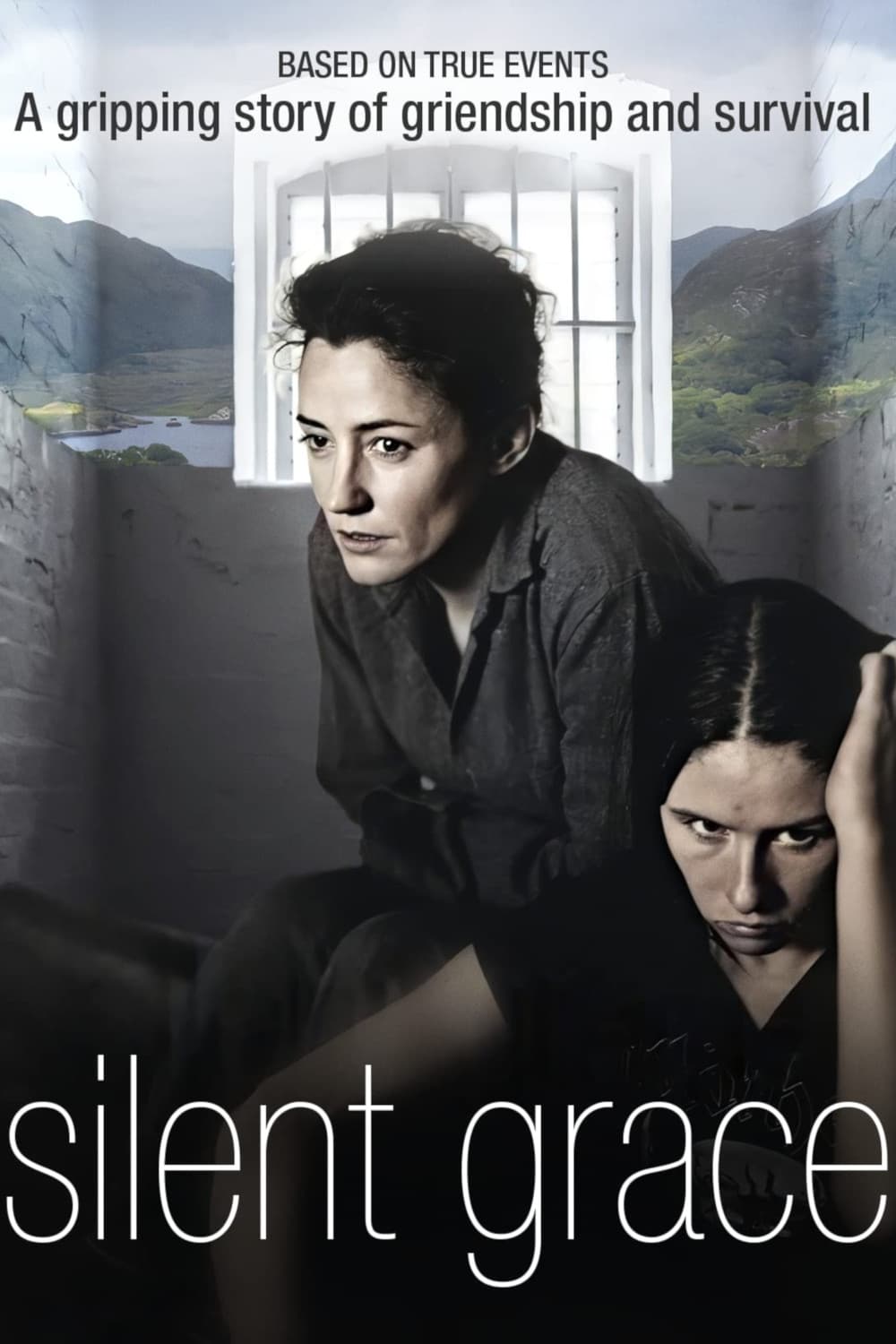
Silent Grace's Perspective — The film captures the women's contribution to the wider Northern Irish prison protests.
Location: Northern Ireland
-
Unresolved Status Struggle — The central conflict remains the struggle between crime classification and political status. Characters: Margaret
Location: Northern Ireland