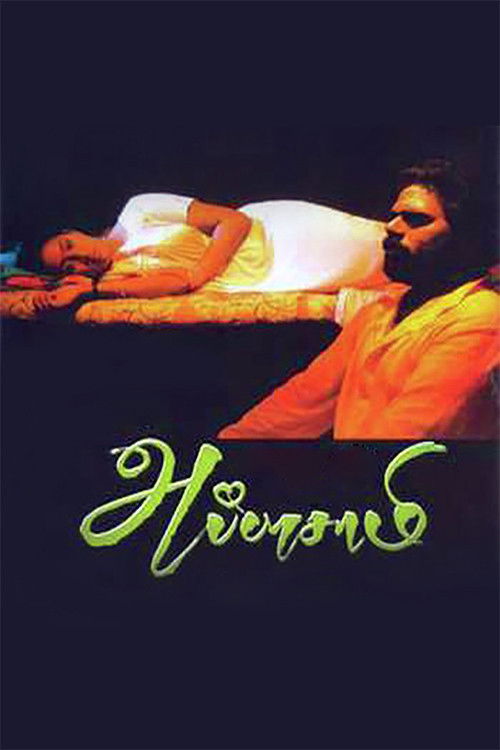
Character Relationship Map: Chidambarathil Oru Appasamy
Chidambarathil Oru Appasamy (2005) character relationship network mapped with AI analysis. Explore the connections, alliances, and conflicts between characters.
Characters
Elangovan
(played by Thangar Bachan) — protagonist
Elangovan is a schoolteacher in Chidambaram who repeatedly pursues businesses and activities that fail, while spending time drinking and gambling with friends. He is Thenmozhi's husband and the father...
Thenmozhi
(played by Navya Nair) — supporting
Thenmozhi is Elangovan's wife and the mother of their two daughters. While Elangovan neglects his family and later continues as a sanyasi, she works hard to educate their children and prepares to live...
Canonical Relationships
Family, romantic, and professional connections based on plot evidence.
Elangovan → Thenmozhi
(Family Wife) — They are married and share family responsibilities, although Elangovan repeatedly neglects them.
The plot explicitly states that Thenmozhi is Elangovan's wife and that they have two daughters.
Story Analysis
The film follows an irresponsible husband whose repeated escapes force his wife to reject the cycle of forgiveness.
Plot Progression
A Life Without Direction
— Elangovan is introduced as a teacher who pursues drinking, gambling, and failed business ideas. His lack of commitment creates tension between personal freedom and family responsibility.
Pressure at Home
— Elangovan's marriage and children make the consequences of his behavior clear. His father and father-in-law urge him to become responsible, but he refuses to change.
The Ascetic Escape
— Following advice, Elangovan observes a Vrath and goes to Sabarimala. He returns committed to living as a Sanyasi rather than fulfilling his family duties.
A Failed Retreat
— Elangovan joins a mutt after fearing his wife and relatives. He cannot sustain that life either, while Thenmozhi continues carrying the family burden.
Refusal at the Threshold
— Thenmozhi prepares to live without Elangovan after working hard to educate the children. When he returns and pleads again, she refuses to forgive him, forming the climax and moral message.