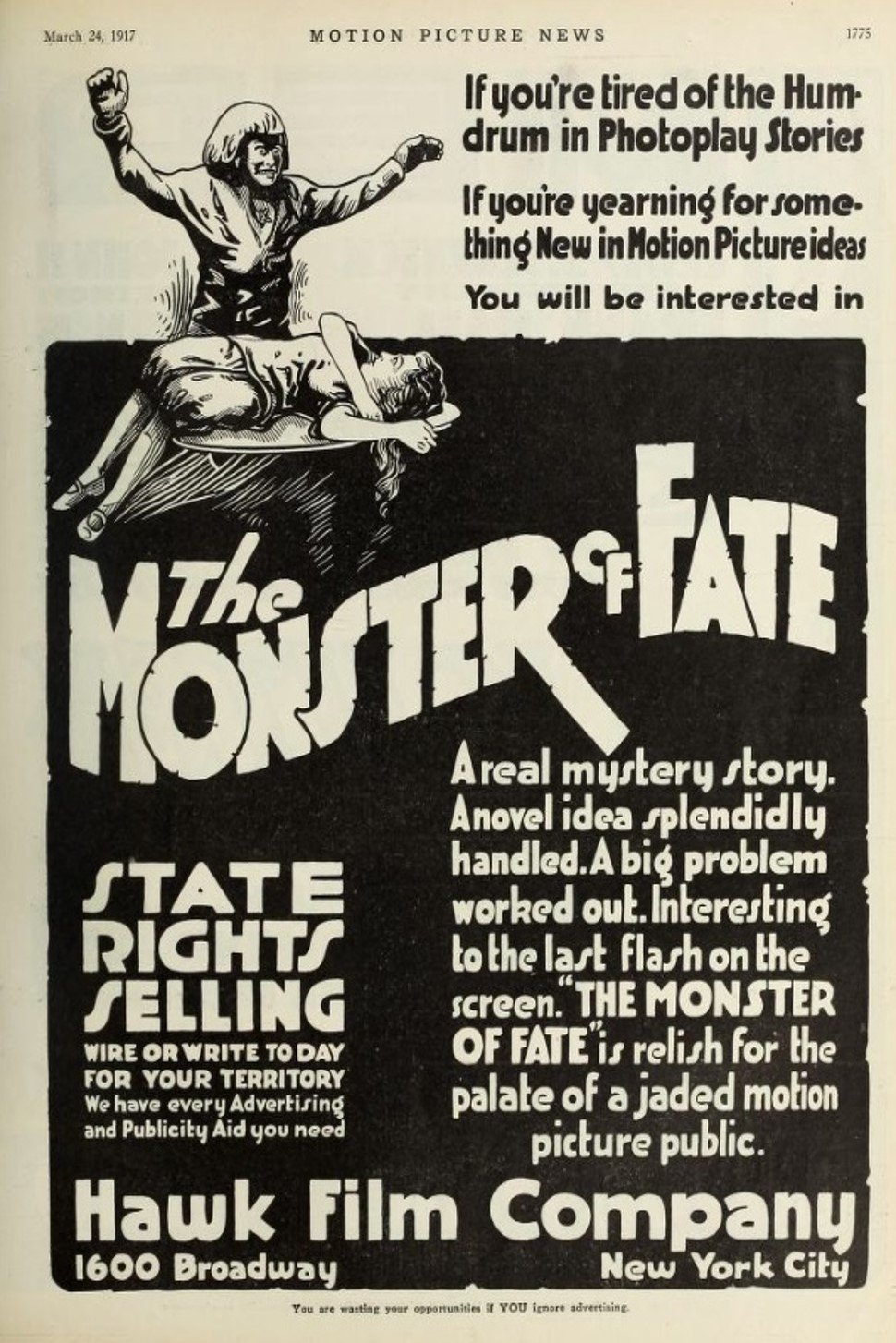
A clay statue resurrected in modern times falls in love, faces rejection, and descends into a violent rampage.
Story Structure — 4 Plot Phases
Ancient Discovery and Resurrection
An antiques dealer explores temple ruins and uncovers an ancient clay statue. Using a magical amulet, he resurrects the figure in the modern era, establishing its initial servitude within his household.
Key Events
Temple Ruins Exploration — Antiques dealer searches ancient ruins for artifacts. Characters: GolemLocation: Jewish Temple Ruins
Clay Statue Discovery — Dealer uncovers the ancient clay figure buried in ruins. Characters: GolemLocation: Jewish Temple Ruins
Historical Creation Flashback — Kabbalist rabbi animates statue for Jewish protection. Characters: GolemLocation: Ancient Synagogue
Modern Resurrection — Dealer uses amulet to bring golem to life in modern times. Characters: GolemLocation: Antiques Shop
Affection Develops — Golem forms deep romantic attachment to dealer's daughter. Characters: GolemLocation: Antiques Shop
Amulet Power Source — Magical artifact grants life and historical control. Characters: GolemLocation: Ancient Synagogue
Temple Ruins Location — Ancient site where golem was originally unearthed. Characters: GolemLocation: Jewish Temple Ruins
Dealer's Workshop — Modern residence where golem performs servitude. Characters: GolemLocation: Antiques Shop
Historical Rabbi Ritual — Kabbalist rabbi performs ancient animation ritual. Characters: GolemLocation: Ancient Synagogue
Emotional Awakening and Rejection
The golem develops deep romantic feelings for the dealer's daughter. When these affections are not reciprocated, the golem experiences profound emotional distress and psychological breakdown.
Key Events
Affection Develops — Golem forms deep romantic attachment to dealer's daughter. Characters: GolemLocation: Antiques Shop
Love Rejection — Golem's romantic feelings are explicitly not reciprocated. Characters: GolemLocation: Antiques Shop
Driven by heartbreak, the golem abandons its servitude and launches a brutal killing spree across the city. Each murder escalates the tension and demonstrates its uncontrollable power.
Key Events
Rampage Commences — Golem abandons servitude and begins violent pursuit. Characters: GolemLocation: City Streets
First Murder — Golem commits initial act of fatal violence. Characters: GolemLocation: City Streets
Second Murder — Golem continues violent killing spree across the city. Characters: GolemLocation: City Streets
Third Murder — Golem completes the series of fatal attacks. Characters: GolemLocation: City Streets
Murder Series Conclusion — Golem finishes violent killing sequence. Characters: GolemLocation: City Streets
Climactic Aftermath and Resolution
The golem reaches the peak of its destructive rampage before the violence concludes. The narrative closes on the lingering consequences of its tragic transformation from servant to monster.
Key Events
Third Murder — Golem completes the series of fatal attacks. Characters: GolemLocation: City Streets
Climactic Destruction — Golem reaches peak of destructive rampage. Characters: GolemLocation: City Streets
Aftermath Survey — Golem stands amidst ruins of violence. Characters: GolemLocation: City Streets
Murder Series Conclusion — Golem finishes violent killing sequence. Characters: GolemLocation: City Streets
Story Breakdown
Ancient Origins — Historical creation and protective purpose of the clay figure.
Kabbalist Ritual — Rabbi performs ancient animation ceremony.
Amulet Activation — Magical artifact grants life to statue.
Protective Purpose — Original design defends Jewish community.
Modern Discovery — Antiques dealer uncovers statue in contemporary ruins.
Temple Ruins Search — Dealer explores ancient Jewish temple site.
Clay Statue Unearthed — Ancient figure is carefully extracted.
Dealer's Workshop — Modern residence houses the discovered artifact.
Resurrection Process — Bringing the golem to life using historical magic.
Amulet Reuse — Dealer applies original magical artifact.
Initial Awakening — Clay figure transitions to living entity.
Emotional Development — Golem forms romantic attachment and faces rejection.
Affection Growth — Golem develops deep feelings for daughter.
Unrequited Love — Romantic feelings are explicitly rejected.
Psychological Distress — Heartbreak triggers severe emotional crisis.
Violent Transformation — Heartbreak triggers rampage and series of murders.
Rejection Catalyst — Unreturned love becomes violent trigger.
Rampage Commencement — Golem leaves shop and attacks city.
Murder Series — Golem commits multiple fatal attacks.
Climactic Destruction — Peak violence and somber narrative resolution.
City Streets Chaos — Violent spree reaches maximum intensity.
Final Confrontation — Golem faces consequences of rampage.
Somber Resolution — Narrative closes on tragic aftermath.
This mostly lost film is often confused with director Paul Wegener third and readily available interpretation of the legend; Der Golem, wie er in die Welt kam (1920). In this version of the golem legend, the golem, a clay statue brought to life by Rabbi Loew in 16th century Prague to save the Jews from the ongoing brutal persecution by the city's rulers, is found in the rubble of an old synagogue in the 20th century. Brought to life by an antique dealer, the golem is used as a menial servant. Eventually falling in love with the dealer's wife, it goes on a murderous rampage when its love for her goes unanswered.