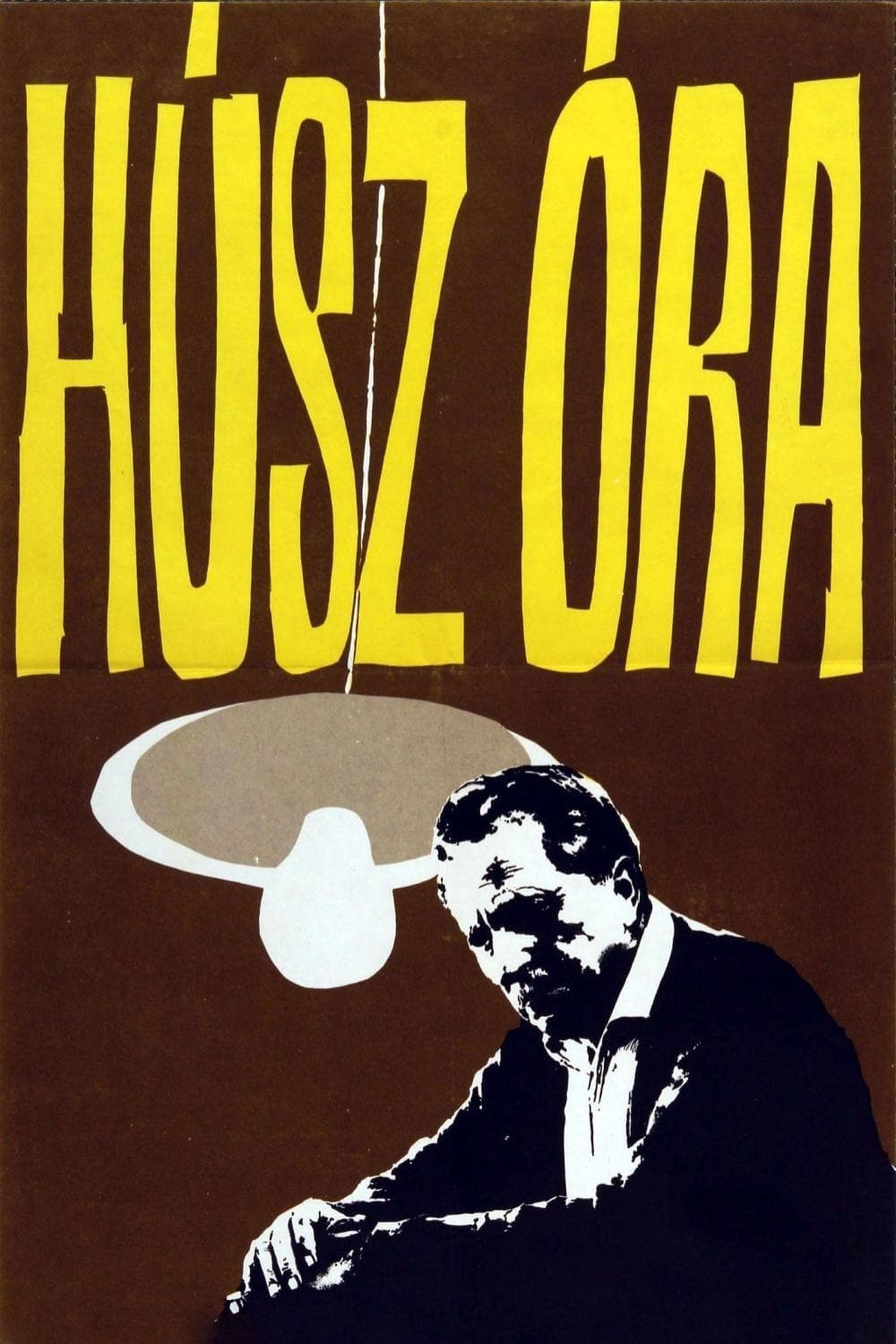
Story Structure — 5 Plot Phases
A Reporter Arrives
Riporter enters the village for a stay of only twenty hours. Through conversations, the outline of a twenty-year history begins to emerge.
Key Events
-
Reporter Enters the Village — The reporter arrives in the village for a brief visit. Characters: Riporter
Location: The village
-
Twenty Hours Begin — The reporter will spend only twenty hours in the village. Characters: Riporter
Location: The village
-
Conversations Open History — Conversations begin to reveal the village's twenty-year history. Characters: Riporter
Location: The village
-
Jóska's Life Emerges — Riporter becomes acquainted with Jóska's life story. Characters: Riporter, Jóska
Location: The village
-
Childhood Friendship Revealed — Jóska's childhood friendship with an old friend is disclosed. Characters: Jóska
Location: The village
-
Years Of Transformation — The difficult years of social transformation shape Jóska's history. Characters: Jóska
Location: The village
Friendship And Rupture
The reporter learns about Jóska's life and his childhood friendship with an old friend. The difficult years of transformation lead to armed conflict in 1956.
Key Events
-
Years Of Transformation — The difficult years of social transformation shape Jóska's history. Characters: Jóska
Location: The village
-
The Past Turns Violent — The transformation years lead to a violent break with Jóska's old friend. Characters: Jóska
Location: The village
-
1956 Takes Shape — In 1956, Jóska takes up a firearm against his former friend. Characters: Jóska
Location: The village
-
Another 1956 Tragedy — Riporter learns that another tragedy also occurred in 1956. Characters: Riporter
Location: The village
-
Comrade Is Shot — A party secretary shoots his comrade during the 1956 tragedy.
Location: The village
-
Violence Connects The Stories — The reporter's investigation links Jóska's history with the second 1956 tragedy. Characters: Riporter, Jóska
Location: The village
The Second Tragedy
Another 1956 tragedy is disclosed: a party secretary shot his comrade. The revelations connect personal histories with the violence of the period.
Key Events
-
Violence Connects The Stories — The reporter's investigation links Jóska's history with the second 1956 tragedy. Characters: Riporter, Jóska
Location: The village
-
Jóska Endures Hard Years — Jóska is presented as someone who has lived through difficult years. Characters: Jóska
Location: The village
-
Jóska Is Not Alone — The account states that Jóska is no longer alone. Characters: Jóska
Location: The village
-
Cooperative Leadership — The cooperative leadership becomes the focus of the present-day situation.
Location: The cooperative
-
Decisions Come Slowly — The cooperative leadership struggles to commit to decisions.
Location: The cooperative
A Difficult Present
Jóska has survived the difficult years and is no longer alone. The cooperative leadership still hesitates, while resistance to modern change remains strong.
Key Events
-
Decisions Come Slowly — The cooperative leadership struggles to commit to decisions.
Location: The cooperative
-
Resistance To The New — Strong resistance remains against new and more modern approaches. Characters: Jóska
Location: The cooperative
-
The Present Is Examined — The reporter's conversations connect past violence with present difficulties. Characters: Riporter, Jóska
Location: The village
-
The Past Must Not Return — The narrative insists that the past must not repeat itself. Characters: Jóska
Location: The village
History Must Not Repeat
The past becomes a warning for the village's present. The narrative closes on the conviction that the past must not happen again.
Key Events
-
History Becomes A Warning — Jóska's history functions as a warning for the village's present. Characters: Riporter, Jóska
Location: The village
-
The Twenty Hours End — The reporter's short stay closes after the twenty-year story has unfolded. Characters: Riporter
Location: The village