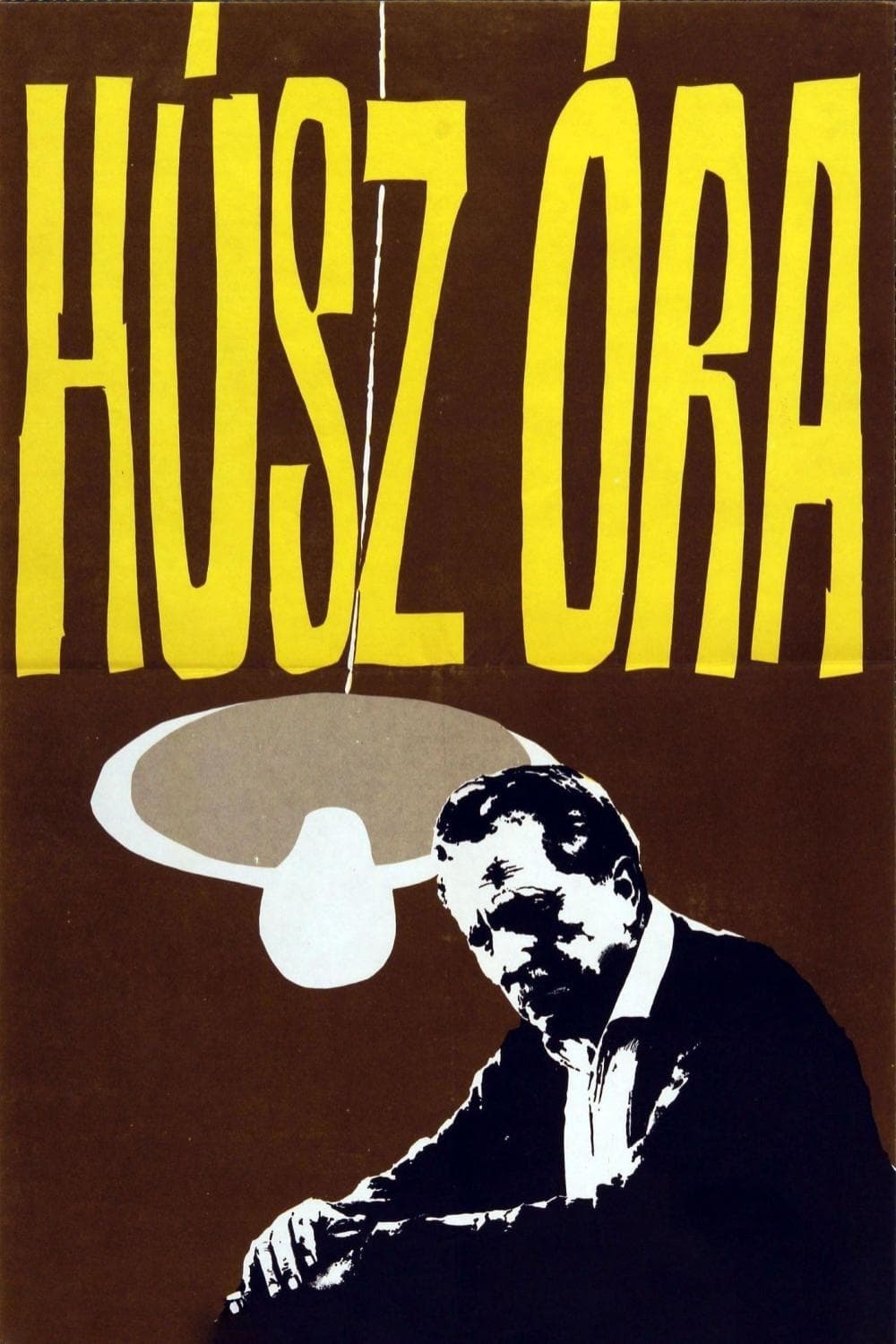
Twenty Hours (1965) character relationship network mapped with AI analysis. Explore the connections, alliances, and conflicts between characters.
Characters
Jóska
(played by Antal Páger) — protagonist
Known as “Chairman Jóska,” he is at the center of the village’s twenty-year history uncovered by the reporter. His childhood friendship with Antal Balogh was shattered when Balogh took up arms against...
Antal Balogh
(played by János Görbe) — protagonist
Jóska’s childhood friend, he became his adversary during the upheaval of 1956, when he took up arms against Jóska. Their broken friendship is one of the tragedies in the village’s past that the report...
council member
(played by Károly Kovács) — supporting
Jóska's wife
(played by Noémi Apor) — minor
Ilonka
(played by Teri Horváth) — minor
Ilonka's mother
(played by Ida Siménfalvy) — minor
Canonical Relationships
Family, romantic, and professional connections based on plot evidence.
Ilonka's mother → Ilonka
(mother)
Jóska's wife → Jóska
(wife)
Jóska → council member
(Professional Political Interlocutors) — The plot establishes Jóska's efforts to turn land grievances into public demands and a council decision, but does not establish a specific personal exchange with this named council member.
At a meeting, Jóska urges villagers to demand a fair share of land and presses a reluctant man to state his claim. The plot also describes the council...
Story Dynamics
Alliances, conflicts, and narrative interactions that evolve throughout the story.
Jóska → Antal Balogh
(Conflict Childhood Friends Turned Adversaries) — Their former friendship is marked by their 1956 opposition and remains unresolved as Antal announces his wish to leave the collective.
The character profiles identify Antal as Jóska's childhood friend and say their friendship was shattered when Antal took up arms against him in 1956....
Story Analysis
A reporter's inquiry into village memories reveals how violence, land disputes, and unresolved personal divisions shape the community.
Plot Progression
Records and Buried Violence
— The reporter receives council records and a warning about a private story. Village recollections bring forward violence and the shame attached to Sándor Varga's name.
A Public Claim to Land
— Jóska challenges the villagers to reject injustice and presses a reluctant man to voice his claim. A personal grievance becomes a public demand for a fair share.
The Council's Land Decision
— The council debates whether redistribution should continue, with hesitation and silence among those present. It votes to put a substantial tract into use, and Jóska agrees to explain the decision.
Fragments of the Past
— The reporter follows rumors about Antal and an old shooting, but accounts remain incomplete. A doctor confirms his presence when the wounded man arrived while refusing to speculate, and villagers reca...
An Unresolved Departure
— Antal tells Jóska that he wants to leave the collective because he does not belong there. Jóska asks why, but Antal says Jóska already knows, leaving their personal and political division unsettled.
Directed by Zoltán Fábri
Twenty Hours (1965) · 6.2/10 · drama
Content sources
Related entry on
Wikidata
(Q3560175), public domain (CC0).
Plot breakdown and analysis on this page are AI-generated from the title's synopsis and metadata.