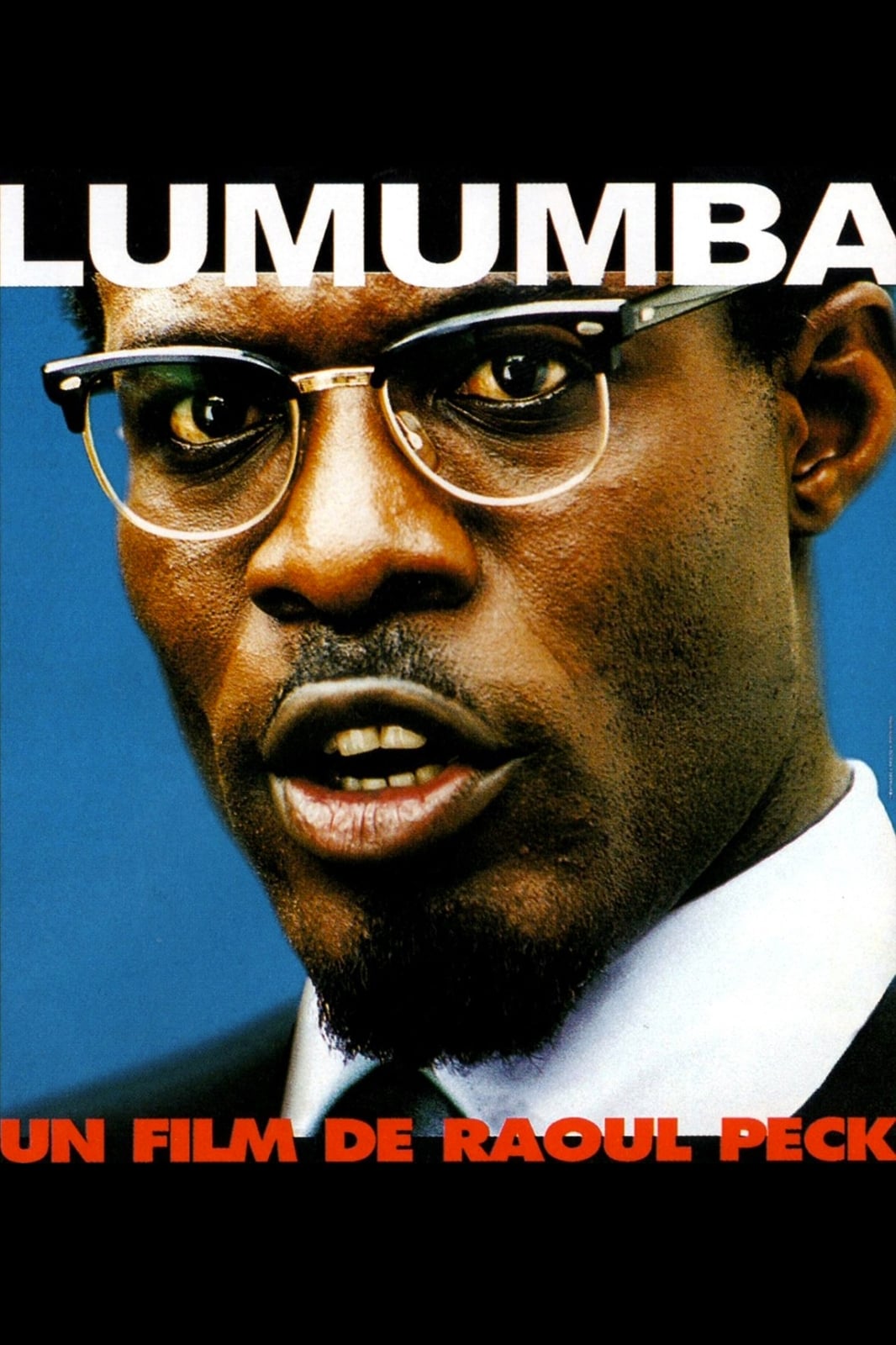
Plot Analysis Summary
A nationalist struggle for Congolese independence is overwhelmed by secession, military power, foreign intervention, and political betrayal.
Story Structure — 5 Plot Phases
The Birth of a Movement
The central nationalist leader develops political influence through public debate and beer sales. His first meeting with Joseph Mobutu occurs as colonial authorities suppress a political gathering.
Key Events
-
Prisoners Driven to Execution — The three condemned prisoners are driven toward their execution. Characters: Maurice Mpolo, Joseph Okito
Location: Road to the execution site
-
Bodies Destroyed — The bodies are exhumed, dismembered, and burned on military orders.
Location: Execution aftermath
-
Nationalist Debate — The central nationalist leader debates rival politicians over the Congo's political future. Characters: Moïse Tshombe
Location: Political debate venue
-
Beer Sales Begin — The central leader receives work as a beer salesman.
Location: Leopoldville
-
Street Politics — Beer sales become a way to spread nationalist political ideas, leading to a first meeting with Mobutu. Characters: Joseph Mobutu
Location: Leopoldville streets
Prison and Independence
Arrest, imprisonment, and negotiations in Brussels move the nationalist struggle from the streets into formal politics. Independence is achieved, but the new coalition already contains serious rivalries.
Key Events
-
Street Politics — Beer sales become a way to spread nationalist political ideas, leading to a first meeting with Mobutu. Characters: Joseph Mobutu
Location: Leopoldville streets
-
Street Meeting Broken Up — Force Publique soldiers break up the political gathering and arrest the central leader. Characters: Joseph Mobutu
Location: Leopoldville
-
Prison Beating — Belgian guards beat the arrested nationalist before his release.
Location: Colonial prison
-
Brussels Negotiations — The nationalist leader is sent to Brussels to negotiate Congolese independence.
Location: Brussels
-
Coalition Formation — A coalition government is formed, leaving rival politicians without leadership positions. Characters: Moïse Tshombe
Location: Brussels
-
Independence Speech — The independence speech openly condemns oppression under Belgian rule.
Location: Independence ceremony
A State Under Siege
The military crisis exposes the unresolved colonial structure and provokes threats of foreign intervention. Katanga's refusal to receive the government plane signals open secession.
Key Events
-
Independence Speech — The independence speech openly condemns oppression under Belgian rule.
Location: Independence ceremony
-
Military Crisis — The cabinet debates removing the commander who opposes African officers.
Location: Government cabinet
-
Colonial Threats — A Belgian ambassador threatens international intervention over the military crisis.
Location: Prime ministerial office
-
Katanga Secession — The government plane is denied permission to land, signaling Katanga's secession. Characters: Moïse Tshombe
Location: Katanga
-
Ndjili Confrontation — The central leader encounters Belgian troops while attempting to confront the secessionists.
Location: Ndjili
The Foreign-Backed Coup
Evidence of civilian massacres deepens the political crisis, while Mobutu gains foreign backing to remove the central nationalist leadership. Political deadlock is followed by military seizure of power.
Key Events
-
Ndjili Confrontation — The central leader encounters Belgian troops while attempting to confront the secessionists.
Location: Ndjili
-
Civilian Massacre Evidence — Evidence emerges that Mobutu's forces massacred civilians during fighting against rebels. Characters: Joseph Mobutu
Location: Military command area
-
Mobutu Dismissed — Mobutu is dismissed after the military atrocities become politically untenable. Characters: Joseph Mobutu
Location: Government headquarters
-
Foreign Support Shifts — An American ambassador pledges support to Mobutu in exchange for eliminating the central leader. Characters: Joseph Mobutu
Location: Military camp
-
Military Takeover — Mobutu announces that the army has seized power and claims the leading politicians are arrested. Characters: Joseph Mobutu
Location: Congo
The Road to Katanga
An escape attempt fails after soldiers confront the family at the river. Mpolo and Okito are taken to Katanga, beaten, and executed as Mobutu later reshapes the public memory of the events.
Key Events
-
Military Takeover — Mobutu announces that the army has seized power and claims the leading politicians are arrested. Characters: Joseph Mobutu
Location: Congo
-
Escape Ends at River — The escape attempt collapses after soldiers confront the family, forcing the central leader to surrender. Characters: Maurice Mpolo, Joseph Okito
Location: River crossing toward Stanleyville
-
Katanga Execution — Mpolo and Okito are beaten and executed after a military decision overseen by the new power structure. Characters: Joseph Mobutu, Maurice Mpolo, Joseph Okito, Moïse Tshombe
Location: Dark woods in Katanga
-
Public Memory — Mobutu publicly remembers the fallen nationalist leader while the executions remain intercut with the speech. Characters: Joseph Mobutu
Location: Public address setting