Story Structure — 4 Plot Phases
Production & Conception
Directors secure funding from Antenne 2 and begin planning the documentary. They identify Cuban refugees as the primary subjects to document.
Key Events
-
Documentary Conception — Directors initiate the project to document refugee experiences and state persecution. Location: Production Studio
-
Funding Secured — Antenne 2 provides financial and logistical support for the documentary production. Location: French Television
-
Refugee Recruitment — Filmmakers locate and prepare to conduct in-depth interviews with Cuban refugees. Location: Interview Location
-
Initial Testimonies — Refugees begin sharing personal backgrounds and reasons for leaving Cuba. Location: Interview Room
Testimonies & Revelations
Interviews unfold, revealing the harsh realities of the UMAP policy. Refugees detail the imprisonment of homosexuals, dissidents, and religious minorities.
Key Events
-
Initial Testimonies — Refugees begin sharing personal backgrounds and reasons for leaving Cuba. Location: Interview Room
-
UMAP Policy Introduction — The film introduces the state policy responsible for forced labor camps. Location: Archive Footage
-
Homosexual Imprisonment — Testimonies reveal the systematic imprisonment of homosexual refugees. Location: Forced Labor Camp
-
Dissident Persecution — Political opponents describe their arrest and harsh camp conditions. Location: Prison Facility
-
Religious Targeting — Religious minorities face similar detention under the same state directive. Location: Camp Sector
-
Forced Labor Conditions — Refugees detail the grueling physical demands of the military units. Location: Work Site
-
Camp Infrastructure — The film visualizes the harsh environment and lack of basic amenities. Location: Detention Center
-
Psychological Impact — Subjects discuss the long-term trauma caused by state persecution. Location: Interview Space
Hardship & Solidarity
Survivors describe forced labor conditions and psychological trauma. Despite persecution, cross-group solidarity emerges among the detainees.
Key Events
-
Psychological Impact — Subjects discuss the long-term trauma caused by state persecution. Location: Interview Space
-
Policy Justification — The regime rationale for using forced labor is presented and critiqued. Location: State Broadcast
-
Cross-Group Solidarity — Different persecuted groups share coping strategies within the camps. Location: Camp Common Area
-
Escape Narratives — Survivors recount their dangerous journeys to leave Cuba. Location: Border Region
-
International Awareness — The film reaches a wider audience through French television distribution. Location: Broadcast Network
-
Festival Submission — The completed documentary is submitted for consideration at the 1984 festival. Location: Festival Office
Recognition & Legacy
The completed film is submitted to an international festival. It wins an audience award, cementing its role as a vital historical record.
Key Events
-
Festival Submission — The completed documentary is submitted for consideration at the 1984 festival. Location: Festival Office
-
Audience Reception — Viewers respond strongly to the raw testimonies and historical revelations. Location: Screening Room
-
Award Recognition — The film wins the audience award for its impactful storytelling. Location: Award Ceremony
-
Historical Documentation — The directors finalize the project as a permanent record of the era. Location: Film Archive
-
Legacy Preservation — The film ensures the refugees voices remain part of historical discourse. Location: Cultural Repository
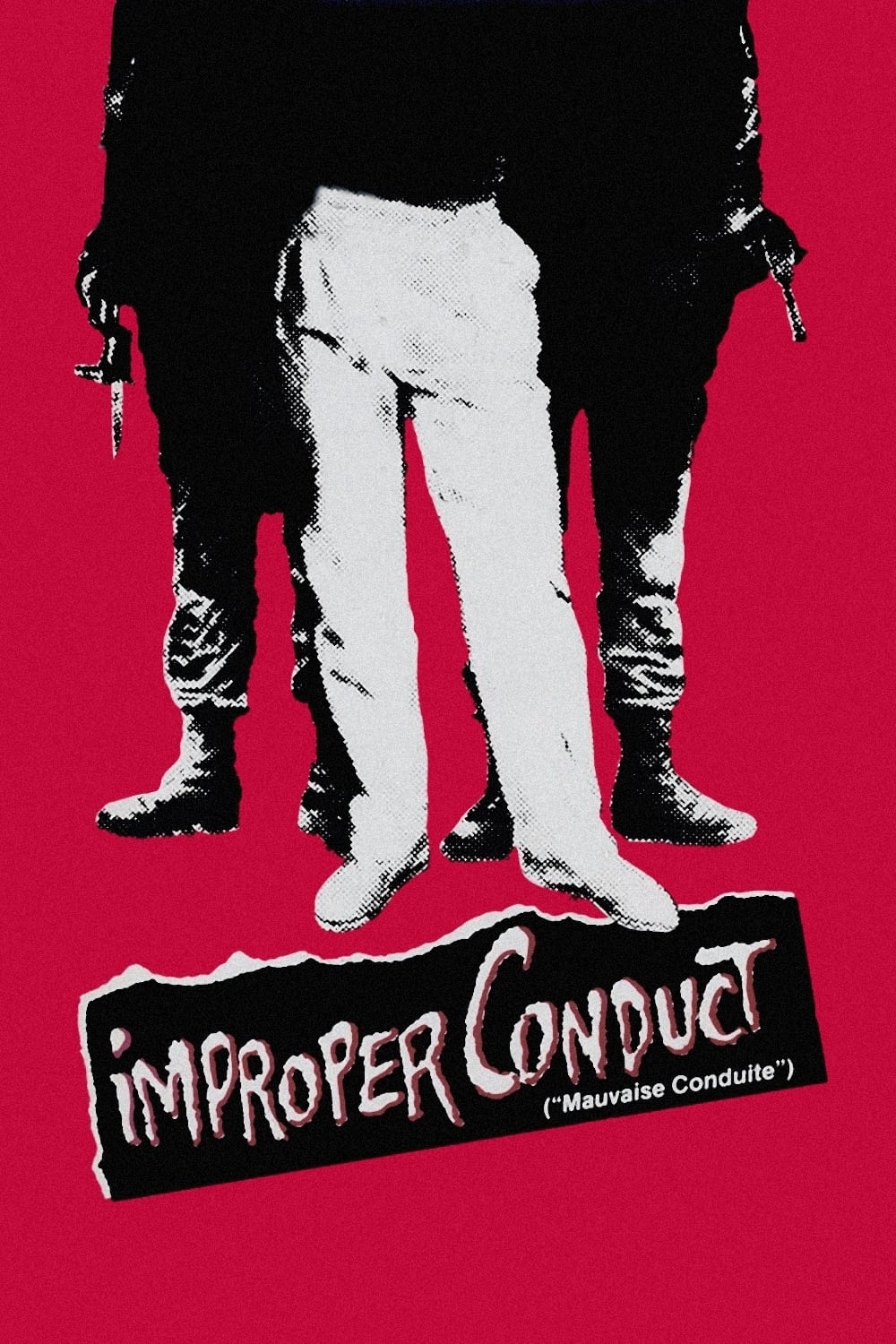
The story of the persecution of homosexuals and intellectuals in Cuba under Fidel Castro's dictatorship, from the beginning of the Cuban Revolution (1953-59) until the early 1980s. Interviews with relevant personalities of Cuban culture who suffered persecution demonstrate that concentration camps for gays existed in Cuba.