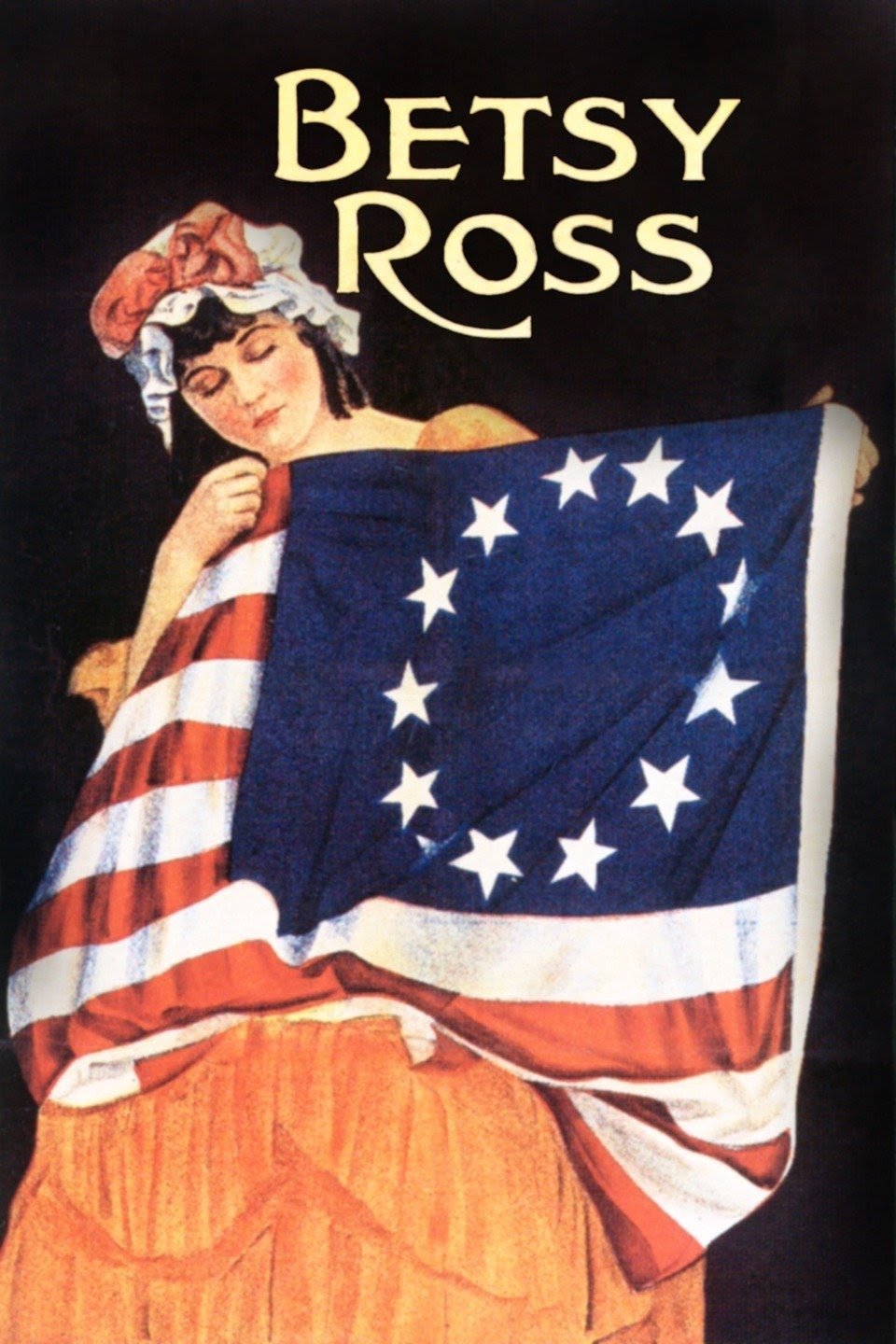
Plot Analysis Summary
Traces the evolution of a historical figure from wartime contractor to cultural myth through production, documentation, and promotion.
Story Structure — 4 Plot Phases
Revolutionary Foundations
Elizabeth Griscom establishes her upholstery career while the Pennsylvania Provincial Assembly forms a Committee of Safety. Benjamin Franklin assumes leadership, setting the stage for wartime administrative structures.
Key Events
-
Birth and Early Life — Elizabeth Griscom is born in 1752.
Location: Philadelphia
-
Upholsterer Career Begins — She establishes her upholstery business.
Location: Philadelphia
-
Committee Formation — Provincial committee is established.
Location: Philadelphia
-
Franklin Takes Office — Franklin becomes committee president.
Location: Philadelphia
-
Morris Joins Committee — Morris serves under Franklin.
Location: Philadelphia
-
Committee Dispatched — Delegation visits Ross for flag design.
Location: Philadelphia
The Flag Design Encounter
General Washington, Robert Morris, and George Ross visit Ross to discuss flag specifications. A debate over star shapes culminates in Ross demonstrating the efficiency of five-pointed stars.
Key Events
-
Committee Dispatched — Delegation visits Ross for flag design.
Location: Philadelphia
-
Washington Arrives — Commander-in-chief visits in 1776.
Location: Philadelphia
-
Flag Sketch Shown — Washington presents initial design.
Location: Philadelphia
-
Star Shape Debate — Six-pointed versus five-pointed stars.
Location: Philadelphia
-
Star Demonstration — Ross proves five-pointed stars are faster.
Location: Philadelphia
-
Navy Commission — Ross begins naval flag production.
Location: Philadelphia
Post-War Production Legacy
Ross fulfills contracts for the Pennsylvania Navy and later supplies the U.S. Arsenal with garrison flags. Her decades-long craftsmanship establishes her professional reputation.
Key Events
-
Navy Commission — Ross begins naval flag production.
Location: Philadelphia
-
Board Oversight — Board reports to provincial committee.
Location: Philadelphia
-
Post-War Production — Continues flag making for decades.
Location: Philadelphia
-
Arsenal Order — Produces 50 garrison flags in 1811.
Location: Schuylkill River
Mythmaking and Historical Debate
Ross's grandson publishes the flag story in the 1870s, sparking historian skepticism. Painter Charles Weisgerber later immortalizes the tale, fundraising to preserve the Ross House as a tourist site.
Key Events
-
Arsenal Order — Produces 50 garrison flags in 1811.
Location: Schuylkill River
-
Grandson Writings — Grandson publishes flag story in 1870s.
Location: Philadelphia
-
Historian Skepticism — Scholars dismiss narrative due to lack of evidence.
Location: Academic Circle
-
Weisgerber Painting — Painter creates myth depiction for 1893 fair.
Location: Chicago
-
Myth Promotion — Weisgerber distributes reproductions.
Location: Nationwide
-
House Purchase — Weisgerber buys the Ross House.
Location: Philadelphia
-
Fundraising Drive — Solicits funds for house upkeep.
Location: Nationwide
-
Tourist Attraction — House opens with myth synopsis.
Location: Philadelphia
-
Enduring Debate — Myth remains culturally significant.
Location: Academic Sphere