Story Structure — 4 Plot Phases
The Frame & The Hire
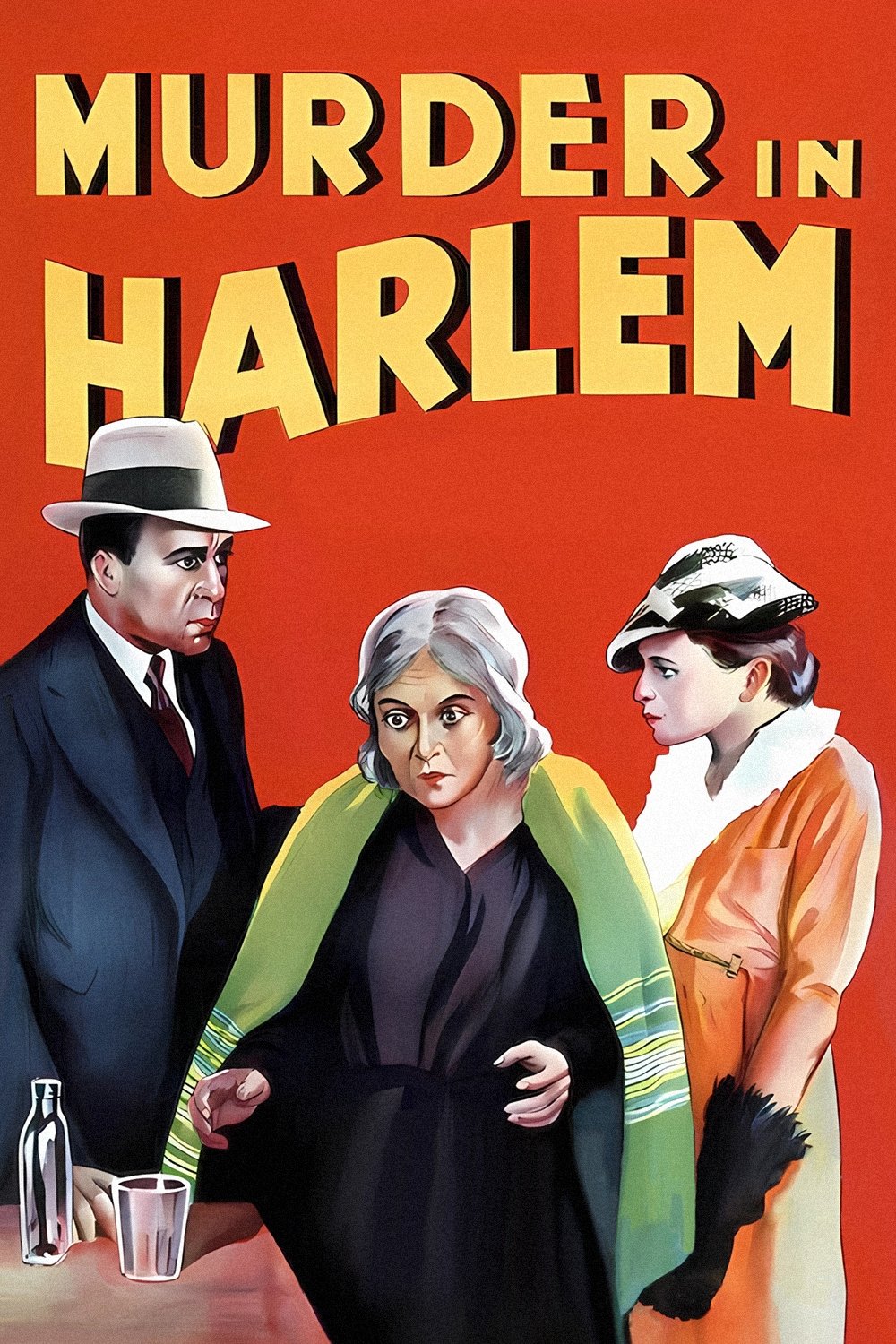
An African-American man is wrongfully accused of murdering a white woman. The accused's sister seeks help, leading to the hiring of author-turned-attorney Henry Glory to defend him.
Key Events
-
The Wrongful Frame-Up — African-American man is framed for murdering a white woman. Characters: Henry Glory
Location: Harlem
-
The Sister's Plea — Accused man's sister seeks legal help for her brother. Characters: Henry Glory
Location: Attorney Office
-
Case Acceptance — Author-turned-attorney Henry Glory agrees to defend the accused. Characters: Henry Glory
Location: Attorney Office
Investigation & Bias
Glory begins piecing together the crime while navigating a highly prejudicial legal environment. He gathers evidence and confronts systemic obstacles.
Key Events
-
Case Acceptance — Author-turned-attorney Henry Glory agrees to defend the accused. Characters: Henry Glory
Location: Attorney Office
-
Initial Investigation — Glory begins gathering information and questioning leads. Characters: Henry Glory
Location: Harlem Streets
-
Prejudice Awareness — Notices the highly prejudicial environment against the accused. Characters: Henry Glory
Location: Courtroom
-
Evidence Collection — Collects physical and testimonial evidence to challenge the frame. Characters: Henry Glory
Location: Crime Scene
Unraveling the Truth
Midpoint discoveries reveal inconsistencies in the initial accusation. Glory synthesizes clues, identifies the real culprit, and prepares for a courtroom confrontation.
Key Events
-
Suspect Analysis — Analyzes motives and alibis to find inconsistencies. Characters: Henry Glory
Location: Office
-
Midpoint Discovery — Finds critical flaws in the initial accusation narrative. Characters: Henry Glory
Location: Archives
-
Confronting Authorities — Challenges the official police narrative and demands a re-examination. Characters: Henry Glory
Location: Police Station
-
Pressure Mounts — Faces societal bias and legal hurdles while investigating. Characters: Henry Glory
Location: Streets
Revelation & Resolution
The white killer is publicly revealed, clearing the accused's name. The film concludes with reflections on the historical Leo Frank case and the pursuit of justice.
Key Events
-
Evidence Synthesis — Pieces the crime together logically from gathered clues. Characters: Henry Glory
Location: Office
-
Identifying Culprit — Pinpoints the white man actually responsible for the murder. Characters: Henry Glory
Location: Safehouse
-
Legal Preparation — Prepares defense strategy and evidence presentation for trial. Characters: Henry Glory
Location: Courtroom
-
Courtroom Presentation — Presents findings to systematically dismantle the frame-up. Characters: Henry Glory
Location: Courtroom
-
Truth Revealed — The white killer is publicly identified and the accused cleared. Characters: Henry Glory
Location: Courtroom
-
Verdict Implied — Justice begins to balance after the true culprit is exposed. Characters: Henry Glory
Location: Courtroom
-
Historical Context — Film is noted as loosely based on the Leo Frank case. Characters: Henry Glory
Location: Narration
-
Trial Fairness Note — Real case lacked a fair trial, contrasting with the film's resolution. Characters: Henry Glory
Location: Narration
-
Case Closure — Accused's name is cleared through the investigation's success. Characters: Henry Glory
Location: Streets
-
Legacy Reflection — Story highlights systemic prejudice and the pursuit of justice. Characters: Henry Glory
Location: Narration
A Black night watchman at a chemical factory finds the body of a murdered white woman. After reporting it, he finds himself accused of the murder.