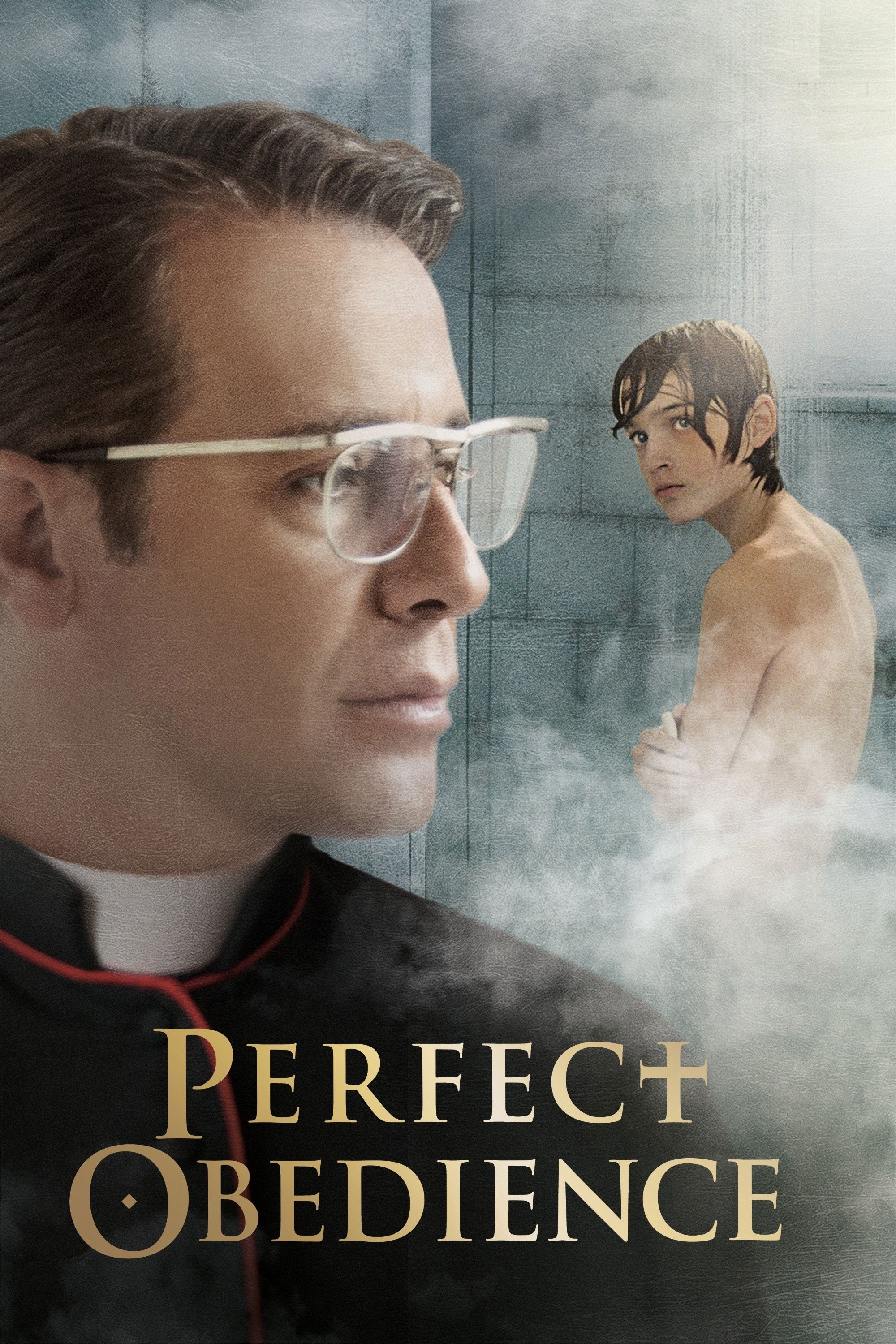
Perfect Obedience (2014) character relationship network mapped with AI analysis. Explore the connections, alliances, and conflicts between characters.
Characters
Padre Ángel de la Cruz
(played by Juan Manuel Bernal) — protagonist
Padre Ángel de la Cruz is the priest who takes special interest in the young seminarian, claiming a heavenly sign placed him under his care. He declares the religious group the boy’s family and himsel...
Padre Robles
(played by Luis Ernesto Franco) — supporting
Padre Robles is the priest who reassures the young seminarian’s family before the boy enters the seminary. He promises that the institution will protect and educate him, prepare him to save souls, and...
Julián 'Sacramento' Santos
(played by Sebastián Aguirre) — supporting
Julián 'Sacramento' Santos is the young seminarian whose training centers on absolute obedience, emotional submission, and punishment for disobedience. He receives special attention from Padre Ángel d...
Arzobispo
(played by Dagoberto Gama) — supporting
Arzobispo is a senior religious authority involved in discussions about avoiding scandal after the reported abuse. Rather than focusing on protection for the seminarian, Arzobispo advises that any sim...
Mamá de Alberto
(played by Isabel Aerenlund) — minor
Mamá de Alberto is the person the distressed seminarian contacts when he begs to leave and reports that Padre Ángel de la Cruz touched him. Her connection to the crisis is established through this app...
Canonical Relationships
Family, romantic, and professional connections based on plot evidence.
Padre Robles → Padre Ángel de la Cruz
(Professional Order Colleague) — They occupy related positions within the same religious hierarchy, although no direct exchange is described.
Both priests are presented as representatives of the religious institution that educates, disciplines, and controls seminarians.
Arzobispo → Julián 'Sacramento' Santos
(Power Institutional Overseer) — Arzobispo represents the higher authority involved in the institutional response to Julián's experience.
Arzobispo participates in discussions about avoiding scandal after Julián reports the abuse.
Arzobispo → Padre Ángel de la Cruz
(Professional Senior Superior) — Arzobispo occupies a higher institutional position capable of responding to Padre Ángel's conduct.
Religious authorities discuss the situation, and Arzobispo advises that any similar arrangement should involve a woman.
Padre Robles → Julián 'Sacramento' Santos
(Professional Institutional Guardian) — Padre Robles represents the seminary's promised protective and educational role.
Padre Robles reassures Julián's family that the boy will be protected, educated, and prepared to save souls at the seminary.
Padre Ángel de la Cruz → Julián 'Sacramento' Santos
(Family Spiritual Father) — Padre Ángel replaces Julián's family with an institutional and paternal bond.
Padre Ángel tells Julián that the Crusaders are now his family and explicitly says that he himself is Julián's father.
Story Dynamics
Alliances, conflicts, and narrative interactions that evolve throughout the story.
Julián 'Sacramento' Santos → Mamá de Alberto
(Social Confidant) — Julián turns to Mamá de Alberto as an adult recipient of his disclosure.
Julián contacts Mamá de Alberto, begs to leave, and reports that Padre Ángel touched him.
Story Analysis
The film examines how religious hierarchy, spiritual manipulation, and institutional silence transform obedience into a mechanism of abuse.
Plot Progression
Entering the Obedience System
— Julián leaves home for a seminary that promises protection and religious education. The institution immediately frames unquestioning obedience as a spiritual duty.
Discipline Behind Closed Doors
— Seminary instruction links spiritual progress with emotional submission and punishes sexual thoughts and forbidden behavior. Harsh discipline normalizes humiliation and fear.
The False Sacred Bond
— Padre Ángel selects Julián and recasts the religious order as his family. By claiming a paternal role and demanding secrecy, he deepens Julián's dependence.
Obedience Becomes Abuse
— Padre Ángel presents pain as a medically authorized problem and orders Julián to participate in an incomprehensible act. Julián experiences the encounter as distressing and reports unwanted touching.
Institutional Silence
— Julián's report is dismissed as teenage fantasy, and his mother is persuaded to distrust him. Religious authorities focus on avoiding scandal, while the final ritual suggests the pattern continues.
Directed by Luis Urquiza
Perfect Obedience (2014) · 6.5/10 · drama
Content sources
Related entry on
Wikidata
(Q43303227), public domain (CC0).
Plot breakdown and analysis on this page are AI-generated from the title's synopsis and metadata.