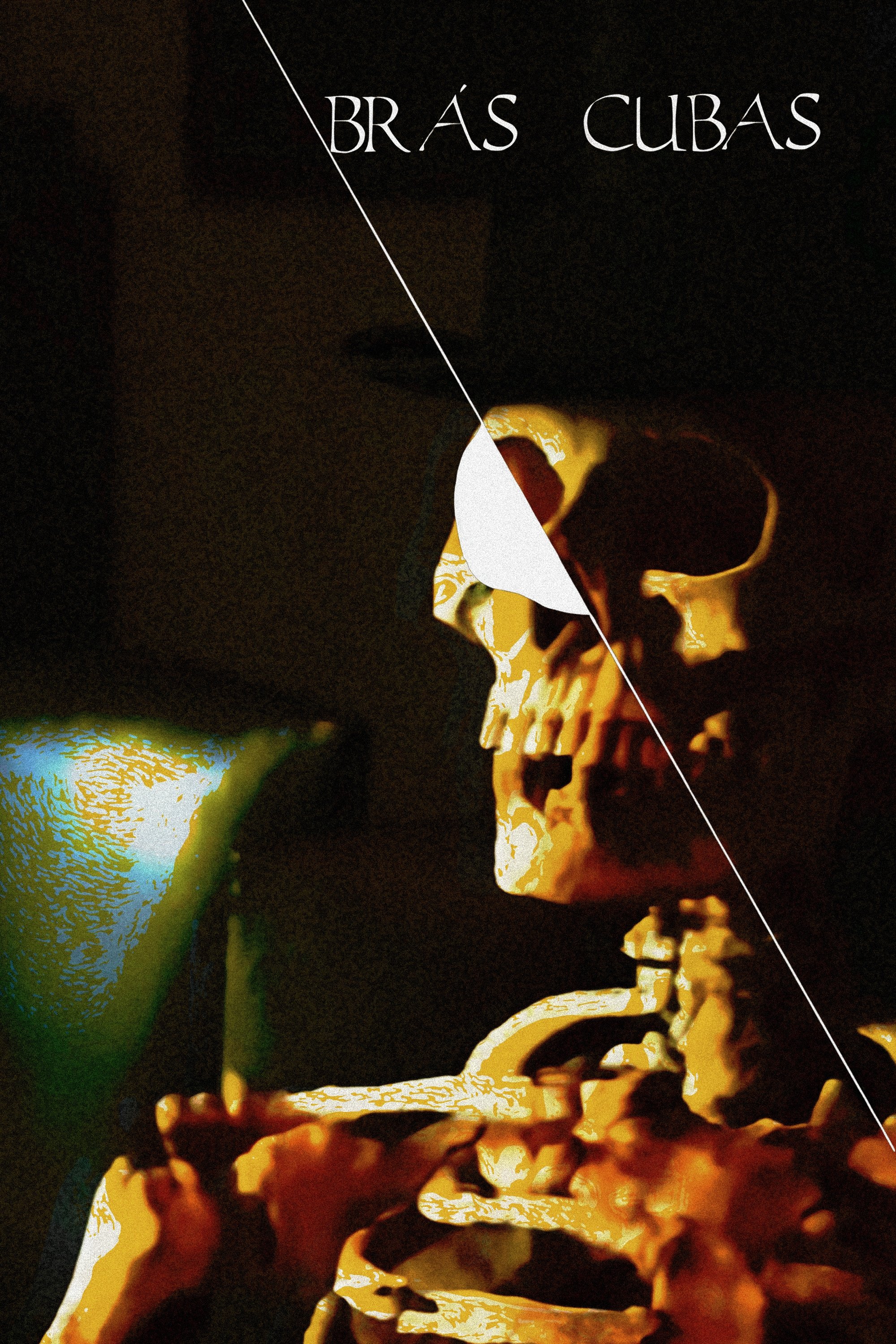
Plot Analysis Summary
A posthumous aristocratic narrator revisits love, mortality, and social hypocrisy through ironic reflection.
Story Structure — 4 Plot Phases
A Voice Beyond Death
Brás Cubas is established as a posthumous narrator recounting his own life. The provided description defines the story through his retrospective and ironic perspective.
Key Events
-
Posthumous Narration — Brás Cubas narrates his own life from beyond the grave. Characters: Brás Cubas
Location: Unspecified in the provided plot
-
Retrospective Life Story — The narrative explores Brás Cubas's life through posthumous recollection. Characters: Brás Cubas
Location: Unspecified in the provided plot
Love in Retrospect
The narrative turns toward Brás Cubas's romantic life. Marcela is identified as the central figure in this emotional dimension.
Key Events
-
Retrospective Life Story — The narrative explores Brás Cubas's life through posthumous recollection. Characters: Brás Cubas
Location: Unspecified in the provided plot
-
Marcela's Romantic Importance — Marcela becomes the focal point of Brás Cubas's romantic life. Characters: Brás Cubas, Marcela
Location: Unspecified in the provided plot
The Irony of Society
Brás Cubas's monologue connects personal memory with broader reflections on mortality and social hypocrisy. His aristocratic position informs the cynical tone described in the character profile.
Key Events
-
Mortality and Hypocrisy — The posthumous monologue examines mortality and social hypocrisy with irony. Characters: Brás Cubas
Location: Unspecified in the provided plot
An Ironic Afterlife
The story remains centered on Brás Cubas's posthumous viewpoint and his examination of love, mortality, and social hypocrisy. The supplied material does not provide further scene-level events.
Key Events
-
Ironic Retrospective Frame — The story remains framed by Brás Cubas's ironic reflection on love and mortality. Characters: Brás Cubas, Marcela
Location: Unspecified in the provided plot