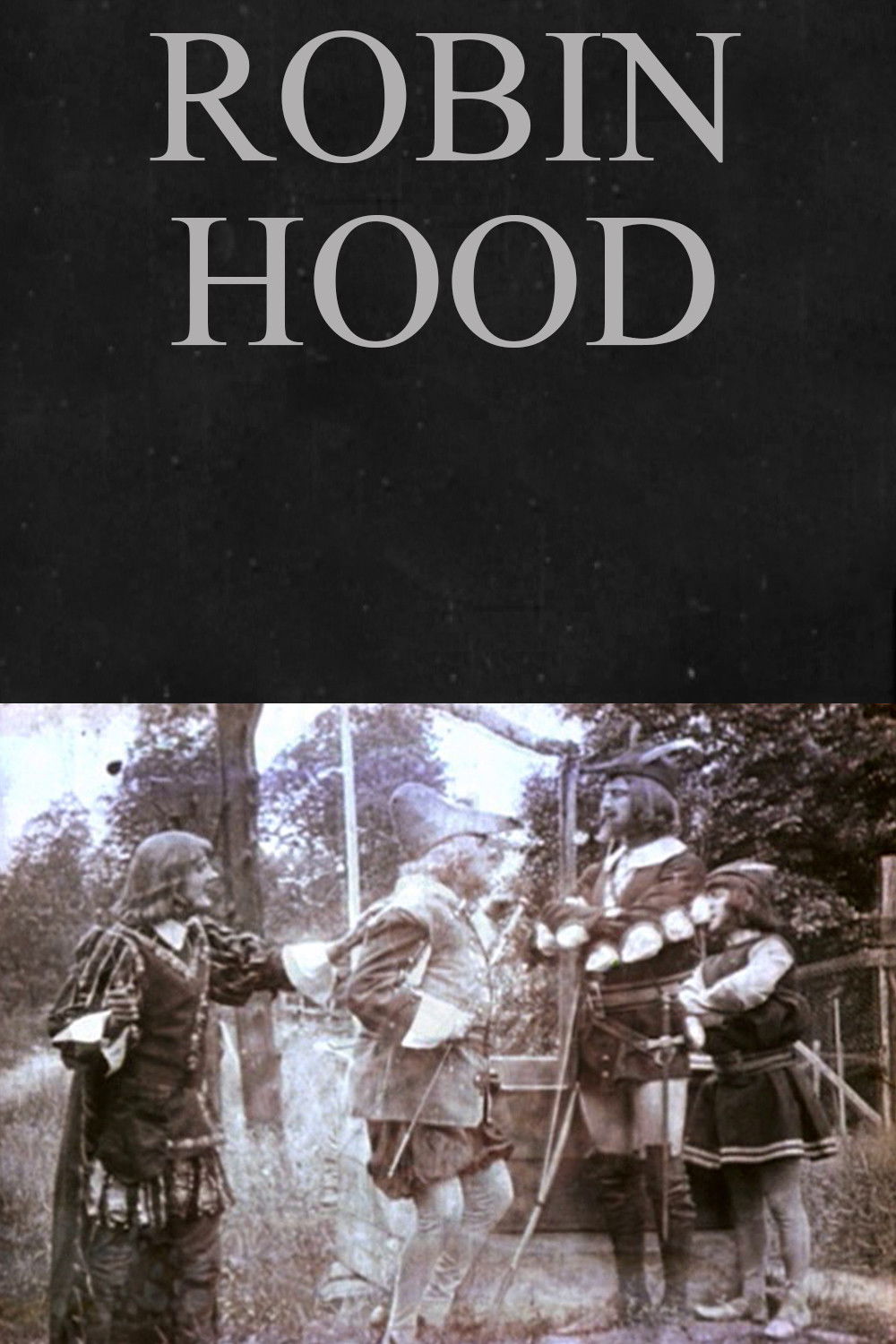
A structural breakdown of the production, visual style, and historical preservation of the 1912 silent film.
Story Structure — 4 Plot Phases
Studio Production Era
Eclair Studios initiates the production of the 1912 film. Costume design focuses on oversized hats for Robin and his companions.
Key Events
Film Production Initiation — Eclair Studios begins production of the 1912 silent film. Characters: Robin HoodLocation: Eclair Studios
Iconic Costume Design — Costumes feature oversized versions of Robin and merry men hats. Characters: Robin HoodLocation: Studio Workshop
Animal Superimposition Effect — Superimposes animal images over characters to emphasize moral qualities. Characters: Robin HoodLocation: Film Set
Visual Innovation & Crew
The film introduces a unique animal superimposition effect to highlight character morality. Directors Arnaud and Blaché collaborate alongside writer Ball.
Key Events
Animal Superimposition Effect — Superimposes animal images over characters to emphasize moral qualities. Characters: Robin HoodLocation: Film Set
Directorial Collaboration — Directed by Étienne Arnaud and Herbert Blaché. Characters: Robin HoodLocation: Eclair Studios
Screenplay Writing — Written by Eustace Hale Ball. Characters: Robin HoodLocation: Writer's Desk
Film Completion — The 30-minute silent film is completed and finalized. Characters: Robin HoodLocation: Eclair Studios
Preservation & Restoration
The completed 30-minute film enters archival storage. A restored copy is meticulously preserved for historical accuracy.
Key Events
Film Completion — The 30-minute silent film is completed and finalized. Characters: Robin HoodLocation: Eclair Studios
Film Restoration — A restored copy of the film is preserved for modern audiences. Characters: Robin HoodLocation: Archive Facility
Modern Exhibition & Legacy
The restored film is publicly exhibited at the Museum of Modern Art in New York City. The project concludes with its cultural rediscovery.
Key Events
Museum Exhibition — Exhibited in New York City in 2006. Characters: Robin HoodLocation: Museum of Modern Art
Story Breakdown
Production Phase — Details the studio origins and initial development of the film project.
Studio Origins — Eclair Studios serves as the primary production facility.
Initial Development — Early planning and resource allocation for the silent film.
Costume Design — Examines the distinctive wardrobe choices and visual motifs.
Hat Specifications — Enormous versions of traditional Robin and merry men hats.
Character Styling — Visual consistency across the ensemble cast.
Visual Effects — Explores the innovative cinematography techniques used.
Animal Superimposition — Overlapping animal imagery to denote moral alignment.
Moral Emphasis — Visual storytelling device for good versus evil traits.
Creative Team — Profiles the key filmmakers and writers involved.
Directorial Duo — Étienne Arnaud and Herbert Blaché lead the direction.
Screenwriter — Eustace Hale Ball crafts the narrative structure.
Restoration Process — Tracks the archival recovery and technical preservation.
Archive Recovery — Locating and stabilizing the original film elements.
Digital Restoration — Modern techniques applied to restore visual clarity.
Modern Exhibition — Documents the public screening and cultural impact.
Museum Screening — Exhibited at the Museum of Modern Art in New York.
Historical Legacy — Establishes the film's place in early cinema history.
Robin Hood is a 1912 film made by Eclair Studios when it and many other early film studios in America's first motion picture industry were based in Fort Lee, New Jersey at the beginning of the 20th century. The movie's costumes feature enormous versions of the familiar hats of Robin and his merry men, and uses the unusual effect of momentarily superimposing images different animals over each character to emphasize their good or evil qualities. The film was directed by Étienne Arnaud and Herbert Blaché, and written by Eustace Hale Ball. A restored copy of the 30-minute film exists and was exhibited in 2006 at the Museum of Modern Art in New York City.