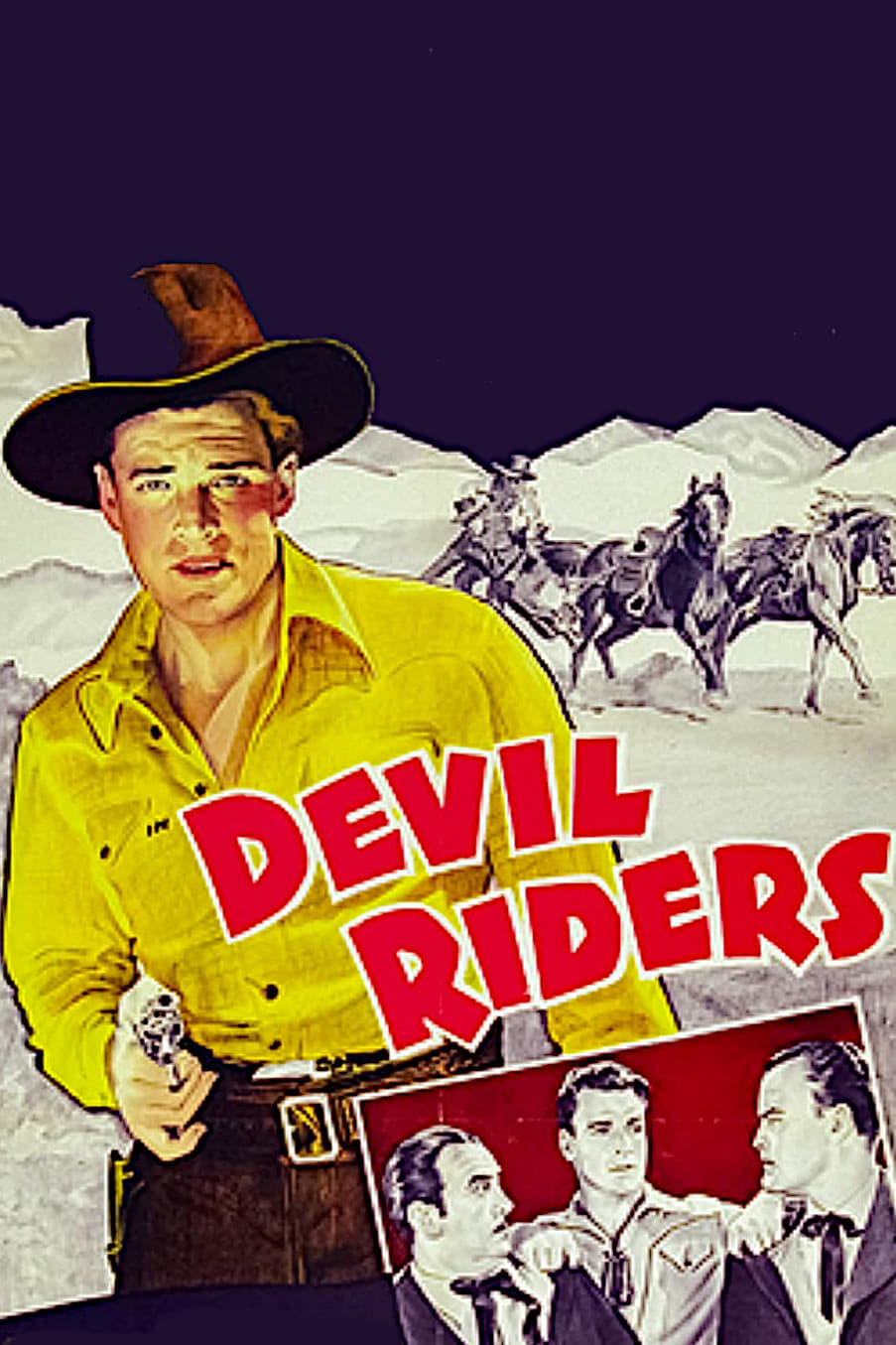
Devil Riders (1943) character relationship network mapped with AI analysis. Explore the connections, alliances, and conflicts between characters.
Characters
Billy Carson
(played by Buster Crabbe) — protagonist
Pony Express rider and Western hero, known for bravery and quick draw.
Fuzzy Q. Jones
(played by Al St. John) — protagonist
Billy's loyal sidekick and comic relief, often mistaken for others.
Henchman
(played by Bert Dillard) — minor
Loyal enforcer for local outlaws or corrupt officials.
Townsman
(played by Buck Bucko) — minor
Local frontier resident observing town events and conflicts.
Townsman
(played by Allen D. Sewall) — cameo
Background townsfolk, appears in various frontier town scenes.
Henchman
(played by Chick Hannan) — cameo
Generic villain thug, works for bounty hunters and outlaw gangs.
Story Dynamics
Alliances, conflicts, and narrative interactions that evolve throughout the story.
Townsman → Henchman
(conflict)
Townsfolk oppose henchmen who terrorize the community
Billy Carson → Fuzzy Q. Jones
(Alliance Teammate) — Co-managers of the Pony Express branch working in partnership.
Townsman → Henchman
(social)
Townsfolk and henchmen interact in saloon and town settings during conflicts.
Story Analysis
A commercial rivalry is manipulated through sabotage so that competing mail services will destroy each other while businessmen protect their wealth.
Plot Progression
A New Commercial Rival
— The Pony Express manages the local weekly mail contract. A stagecoach line arrives and takes responsibility for freight and passengers.
The Mail Route Challenge
— The stagecoach line announces a daily mail service. The Pony Express operators initially welcome the competition, believing the situation can remain peaceful.
A Wealthy Conspiracy
— Two businessmen fear that the stagecoach line will threaten their wealth. They organize sabotage through henchmen and plan to blame each service for the other's losses.
Rivals Turn Against Rivals
— The sabotage causes the Pony Express and stagecoach line to suspect one another. Their commercial disagreement escalates into open conflict.
The Manufactured Conflict
— The hidden purpose of the sabotage becomes clear: the businessmen are using the rivalry to protect their wealth. The conflict reaches a crisis before the scheme is exposed.