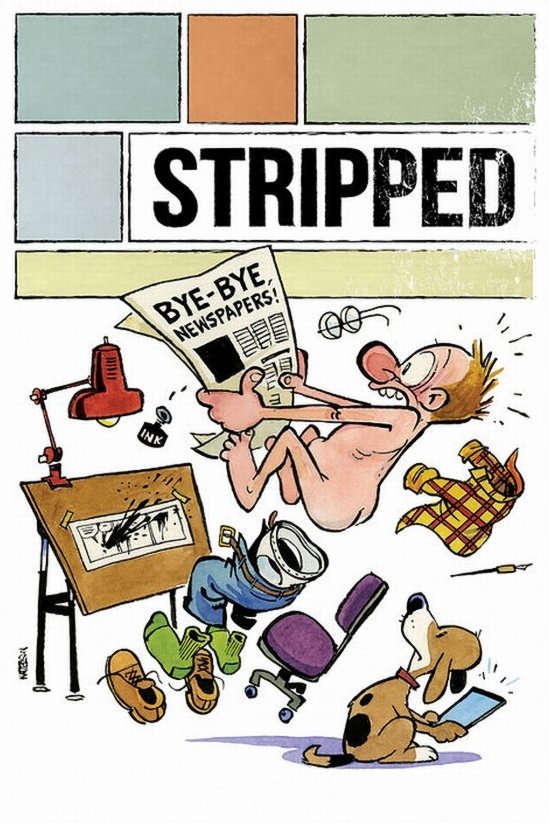
A documentary exploring the transition of comic strips from declining newspapers to thriving digital platforms.
Story Structure — 4 Plot Phases
Origins of the Project
Filmmakers conceptualize a documentary on comic strips as newspapers decline. The initial focus shifts from studio visits to broader industry analysis.
Key Events
Concept Initiation — Filmmakers begin planning a documentary on comic strip creators. Location: Production Office
Industry Decline Focus — The film establishes the failing state of the traditional newspaper industry. Location: Newspaper Archive
Digital Migration Shift — Cartoonists explore migrating their work from print to the web. Location: Web Platform
Voices of the Creators
Over seventy artists share their experiences and adapt to digital platforms. Key figures like Bill Watterson contribute unique artistic elements.
Key Events
Digital Migration Shift — Cartoonists explore migrating their work from print to the web. Location: Web Platform
Studio Visit Concept — Original plan focuses on observing cartoonists working in their studios. Location: Artist Studio
Creator Interviews Begin — Over seventy comic creators are interviewed about their craft. Location: Interview Room
Watterson Poster Creation — Watterson creates the official poster, his first published art since 1995. Location: Artist Studio
Funding and Production
The team launches a Kickstarter campaign to secure financing. Community support and post-production efforts bring the documentary to life.
Key Events
Watterson Poster Creation — Watterson creates the official poster, his first published art since 1995. Location: Artist Studio
Legacy Discussion — Creators reflect on the impact of long-running serialized comics. Location: Interview Room
Trade Prospects Analysis — Interviewees analyze the future viability of comic strips online. Location: Interview Room
Financial Challenges — Discussions highlight the economic struggles of independent creators. Location: Interview Room
Kickstarter Launch — The production team turns to crowdfunding to finance the documentary. Location: Kickstarter Page
Community Backing — Fans and fellow artists contribute to the project's funding goals. Location: Online Community
Release and Reflection
Stripped premieres on iTunes, reaching a global audience. The film concludes with optimistic insights into the future of comic art.
Key Events
Community Backing — Fans and fellow artists contribute to the project's funding goals. Location: Online Community
Post-production Editing — Raw interview footage is structured into a cohesive narrative. Location: Editing Suite
iTunes Release Prep — The final cut is formatted and scheduled for digital distribution. Location: Digital Distribution Hub
Digital Premiere — Stripped becomes available to the public on April 1, 2014. Location: iTunes Store
Audience Reception — Viewers respond to the documentary's exploration of artistic adaptation. Location: Viewer Screen
Legacy Reflection — The film concludes by emphasizing the enduring value of comic art. Location: Documentary Screen
Archival Preservation — Creators discuss the importance of saving historical comic strips. Location: Archive Facility
Digital Rights Exam — Legal frameworks for online comic distribution are examined. Location: Legal Office
Creative Independence — The documentary highlights artists reclaiming control over their work. Location: Creative Workspace
Final Industry Outlook — The film ends on a note of cautious optimism for the medium. Location: Industry Forum
Story Breakdown
Industry Transition Focus — Examines the decline of print media and the strategic shift toward online distribution.
Print Decline Context — Highlights the failing newspaper industry and its impact on comic strips.
Web Platform Adoption — Details how creators migrate their work to digital spaces for survival.
Creator Interview Series — Features extensive conversations with over seventy comic artists about their craft.
Studio Observation Concept — Original documentary plan focused on watching cartoonists work in studios.
Over Seventy Voices — Broadens scope to include diverse perspectives from the comic community.
Digital Migration Strategies — Explores practical and creative methods for adapting traditional comics online.
Artistic Adaptation — Discusses how visual styles and storytelling evolve for web formats.
Audience Engagement Shift — Analyzes changing reader habits and interaction with digital content.
Crowdfunding Campaign — Documents the financial journey of producing the documentary independently.
Kickstarter Launch — Production team initiates a public funding campaign to cover costs.
Community Financial Support — Fans and industry peers contribute to meet funding milestones.
Release and Distribution — Covers the final production steps and digital premiere of the film.
iTunes Digital Premiere — Stripped officially launches on the iTunes Store on April 1, 2014.
Global Audience Reach — Explores how digital distribution expands the documentary's viewership.
Artistic Legacy Themes — Reflects on the historical significance and future of comic strip art.
Watterson Poster Contribution — Bill Watterson creates the film poster, marking his first published art since 1995.
Calvin and Hobbes Impact — Creators discuss the lasting influence of iconic serialized comics on the medium.
A documentary on comic strips, with never-seen-before interviews from Bill Watterson (Calvin & Hobbes), Jim Davis (Garfield), Jeff Keane (Family Circus), Cathy Guisewite (Cathy) and dozens more. The film asks a central question: Where do comic strips go when newspapers die? Everybody loves comics, but will they survive in a digital world?