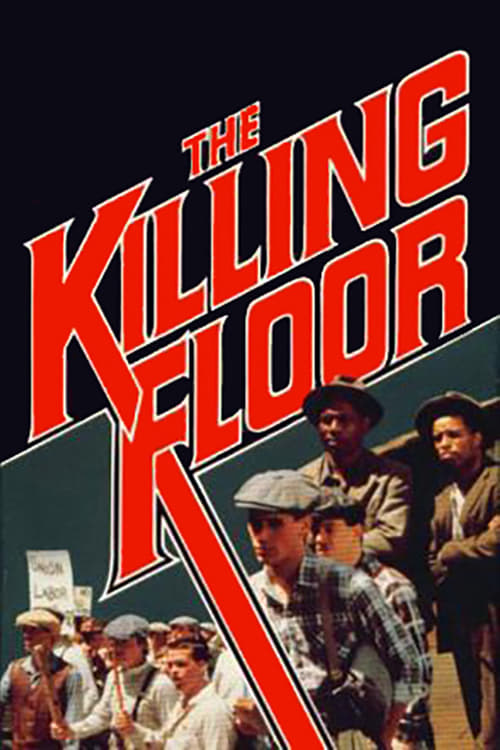
Plot Analysis Summary
A historical drama chronicling two African American sharecroppers navigating racism, labor exploitation, and union organizing in 1910s Chicago.
Story Structure — 4 Plot Phases
Rural Exodus to Urban Industry
Frank Custer and Thomas Joshua leave Mississippi sharecropping behind to migrate to Chicago during World War I. They navigate the transition from agricultural poverty to the harsh realities of the stockyards.
Key Events
-
Mississippi Departure — Two poor black sharecroppers leave their rural homes to seek better opportunities. Characters: Frank Custer, Thomas Joshua
Location: Mississippi
-
WWI Vacancy Context — They arrive to find jobs vacated by soldiers who departed for World War I. Characters: Frank Custer, Thomas Joshua
Location: Chicago Stockyards
-
Stockyard Arrival — The duo enters the massive, intimidating industrial complex for the first time. Characters: Frank Custer, Thomas Joshua
Location: Chicago Stockyards
-
Securing Meatpacking Jobs — Both successfully secure positions in the infamous meatpacking industry. Characters: Frank Custer, Thomas Joshua
Location: Meatpacking Plant
Stockyard Struggles and Racism
The duo secures meatpacking jobs but immediately faces systemic racism, dangerous conditions, and sudden layoffs. Economic instability forces them to confront the brutal nature of industrial labor.
Key Events
-
Securing Meatpacking Jobs — Both successfully secure positions in the infamous meatpacking industry. Characters: Frank Custer, Thomas Joshua
Location: Meatpacking Plant
-
Harsh Working Conditions — They endure dangerous environments and grueling shifts in the stockyards. Characters: Frank Custer, Thomas Joshua
Location: Factory Floor
-
Confronting Workplace Racism — Systemic racism and prejudice from management and other workers become apparent. Characters: Frank Custer, Thomas Joshua
Location: Break Room
-
Layoffs Crisis — Sudden layoffs threaten their livelihoods and deepen economic instability. Characters: Frank Custer, Thomas Joshua
Location: Plant Gates
-
Initial Labor Disputes — Workers begin clashing over wages, hours, and basic treatment. Characters: Frank Custer, Thomas Joshua
Location: Stockyard Streets
Unionization and Ethnic Friction
Labor disputes spark union organizing discussions. Frank is persuaded to join the Amalgamated Meat Cutters union, facing opposition from non-union black co-workers and navigating complex inter-ethnic tensions with Polish, Irish, Lithuanian, and German workers.
Key Events
-
Union Organizing Discussions — Fellow workers begin discussing the need for collective bargaining and unionization. Characters: Frank Custer, Thomas Joshua
Location: Community Hall
-
Frank's Union Persuasion — Frank is persuaded by his fellow workers to join the Amalgamated Meat Cutters union. Characters: Frank Custer, Thomas Joshua
Location: Union Meeting
-
Polish Worker Interactions — They navigate early tensions and conversations with Polish workers in the area. Characters: Frank Custer, Thomas Joshua
Location: Neighborhood Tavern
-
Irish Worker Interactions — Interactions with Irish workers highlight the complex ethnic dynamics of the stockyards. Characters: Frank Custer, Thomas Joshua
Location: Street Corner
-
Lithuanian Worker Interactions — They engage with Lithuanian communities, observing shared struggles across ethnic lines. Characters: Frank Custer, Thomas Joshua
Location: Worker Housing
-
German Worker Interactions — Conversations with German workers further illustrate the multi-ethnic workforce reality. Characters: Frank Custer, Thomas Joshua
Location: Factory Entrance
-
Non-union Black Co-worker Opposition — Frank faces direct opposition from non-union black co-workers who distrust the movement. Characters: Frank Custer, Thomas Joshua
Location: Plant Yard
-
Inter-ethnic Tensions Peak — Racial and ethnic friction intensifies as union organizing gains momentum. Characters: Frank Custer, Thomas Joshua
Location: Stockyard District
Solidarity and Labor Victory
Frank officially joins the union and champions interracial labor solidarity. The workers escalate to a major strike, confront management, and ultimately secure critical concessions, cementing their legacy in the 1910s labor movement.
Key Events
-
Non-union Black Co-worker Opposition — Frank faces direct opposition from non-union black co-workers who distrust the movement. Characters: Frank Custer, Thomas Joshua
Location: Plant Yard
-
Frank Joins the Union — Frank officially registers with the Amalgamated Meat Cutters & Butcher Workmen of North America Union. Characters: Frank Custer, Thomas Joshua
Location: Union Office
-
Interracial Solidarity Building — Frank and Thomas work to bridge divides and build strong, interracial labor unions. Characters: Frank Custer, Thomas Joshua
Location: Community Center
-
Major Labor Strike — Workers stage a massive strike to demand fair treatment and union recognition. Characters: Frank Custer, Thomas Joshua
Location: Stockyards
-
Confrontation with Management — Union leaders directly confront plant management over labor disputes and layoffs. Characters: Frank Custer, Thomas Joshua
Location: Corporate Office
-
Union Victory — The union secures critical concessions, validating the interracial organizing effort. Characters: Frank Custer, Thomas Joshua
Location: Factory Floor
-
Historical Legacy — The film concludes by highlighting their role in leading the charge for 1910s labor unions. Characters: Frank Custer, Thomas Joshua
Location: Chicago Streets
During World War I, a poor black Southerner travels north to Chicago to get work in the city's slaughterhouses, where he becomes embroiled in the organized labor movement.