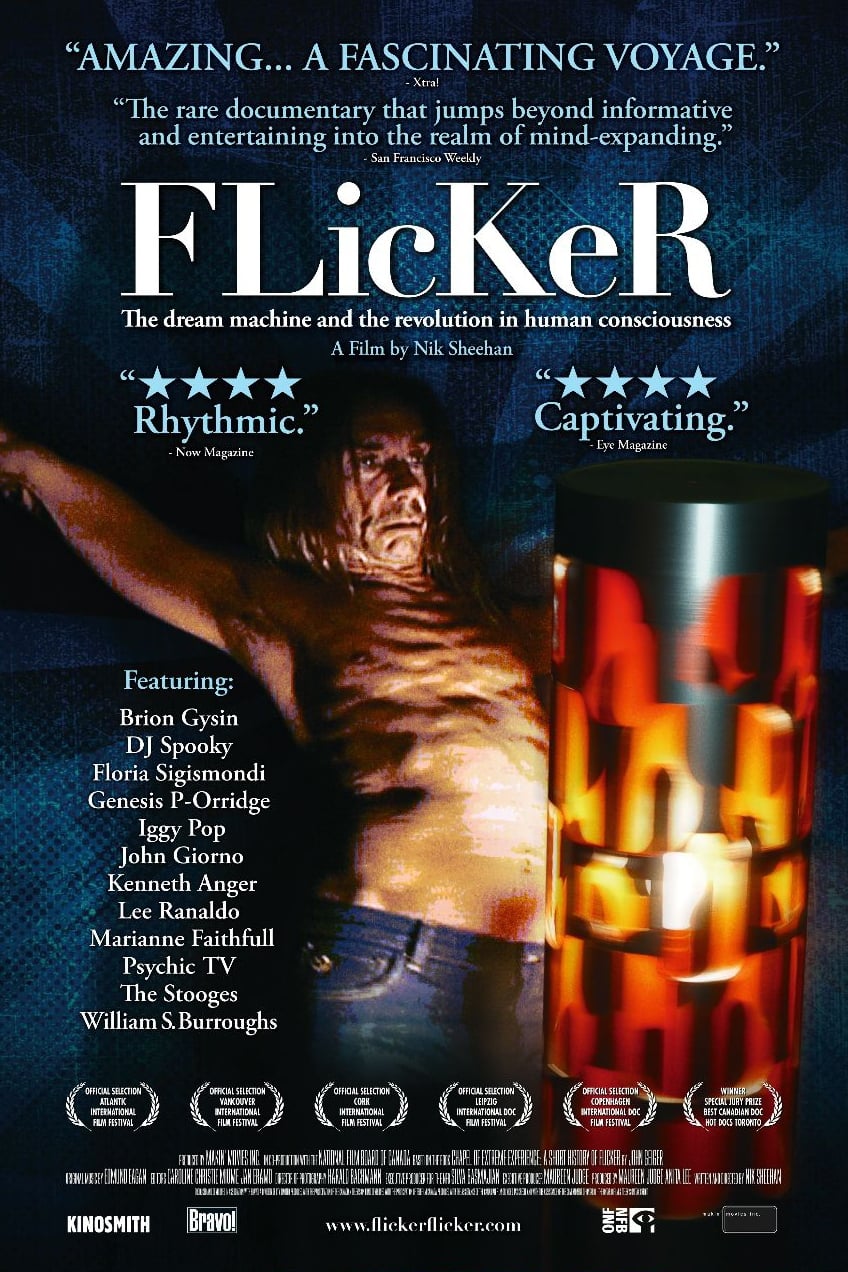
Plot Analysis Summary
A comprehensive breakdown of the documentary's narrative structure, thematic focus, and production journey.
Story Structure — 4 Plot Phases
Origins of the Vision
The documentary establishes its foundation through John G. Geiger's book and Brion Gysin's early artistic life. Gysin invents the Dreamachine, proposing a drugless method to revolutionize human consciousness.
Key Events
-
Book Publication — Geiger publishes book detailing Gysin's life and inventions.
Location: Publishing World
-
Dreamachine Invention — Gysin constructs device to induce visions via light flashes.
Location: Studio
-
Consciousness Theory — Gysin proposes drugless high to revolutionize human consciousness.
Location: Lecture Hall
-
Beat Movement Origins — Early artistic collaborations that inspired the Dreamachine.
Location: Paris
Beat Movement Encounters
Prominent figures from the beat movement and music scene experiment with the Dreamachine. Their personal experiences and philosophical reflections form the core interview material.
Key Events
-
Consciousness Theory — Gysin proposes drugless high to revolutionize human consciousness.
Location: Lecture Hall
-
Beat Movement Experimentation — Prominent figures test the Dreamachine and discuss its effects.
Location: Various Venues
-
Documentary Concept — Sheehan decides to adapt Geiger's book into a film.
Location: Writer's Desk
-
Production Setup — Sheehan partners with producers to secure funding and resources.
Location: NFB Studio
-
Visionary Philosophy — Gysin articulates his belief in transcending conventional reality.
Location: Studio
Cinematic Realization
Director Nik Sheehan adapts the source material, collaborating with producers and composers. The editing process weaves interviews, archival footage, and original score into a cohesive narrative.
Key Events
-
Interview Recording — Director conducts in-depth conversations with beat figures.
Location: Interview Rooms
-
Visual Archival Integration — Sheehan compiles historical footage and artwork into the narrative.
Location: Editing Suite
-
Score Composition — Eagan crafts original score to enhance documentary atmosphere.
Location: Music Studio
-
Film Editing — Final assembly of interviews, visuals, and score into cohesive film.
Location: Editing Suite
-
Hot Docs Premiere — Film debuts at Hot Docs festival, receiving critical attention.
Location: Toronto
Festival Acclaim and Legacy
The film premieres at Hot Docs and tours international festivals, winning multiple awards. The documentary concludes by cementing Gysin's enduring impact on art and consciousness.
Key Events
-
Hot Docs Premiere — Film debuts at Hot Docs festival, receiving critical attention.
Location: Toronto
-
Award Recognition — Wins Best Canadian Feature Documentary award.
Location: Hot Docs Stage
-
International Festival Tour — Screened at Era New Horizons Film Festival.
Location: Poland
-
Best Film Award — Wins Best Film on International Art category.
Location: Poland Stage
-
Gemini Nomination — Nominated for Best Performing Arts Program and Original Score.
Location: Awards Ceremony
-
Screenwriting Nomination — Nominated for Canadian screenwriting award by Writers Guild.
Location: Awards Ceremony
-
Dreamachine Legacy — Invention's impact on art and consciousness endures.
Location: Cultural Memory
-
Cultural Impact Analysis — Scholars and artists reflect on Gysin's revolutionary ideas.
Location: Academic Circles
-
Festival Circuit Expansion — Documentary gains international distribution and audience.
Location: Global Venues
-
Artistic Legacy Preservation — Film secures Gysin's place in contemporary art history.
Location: NFB Archives