Plot Analysis Summary
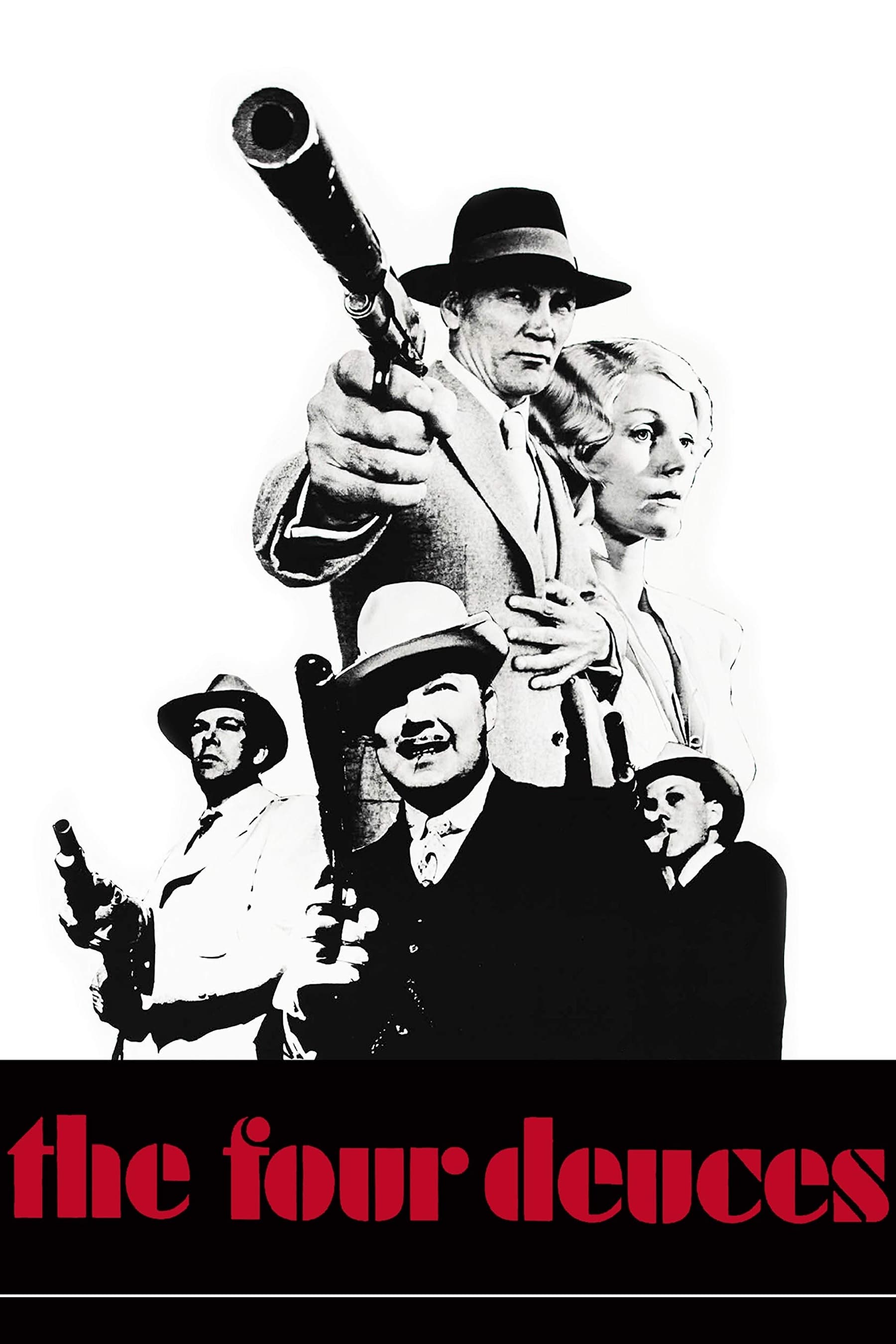
A comic-strip crime melodrama combines Prohibition-era gang rivalry, romance, sensational imagery, and an unusual cult-film presentation.
Story Structure — 4 Plot Phases
Comic Crime Beginnings
The film opens with cartoon credits and a comic-strip visual approach. It then establishes a Prohibition-era criminal setting and introduces the central mobster's position.
Key Events
-
Cartoon Credits Open — The film opens with cartoon credits and establishes a comic-strip visual style.
Location: Opening credits
-
Comic Strip Presentation — The presentation attempts to give the crime melodrama a stylish comic-strip appearance.
Location: Opening presentation
-
Prohibition Setting — The story is situated in a Prohibition-era criminal world.
Location: Prohibition-era underworld
-
Mobster Introduced — The central mobster is presented as a high-ranking figure in the criminal organization.
Location: Prohibition-era underworld
-
Gang Leadership Established — The central mobster leads a gang associated with the Four Deuces.
Location: The Four Deuces
-
Rival War Introduced — An ongoing war with a rival hoodlum establishes the main criminal conflict.
Location: Criminal underworld
War Beneath The Neon
An ongoing war with a rival hoodlum creates the central criminal tension. The mobster's weakness for women introduces a personal vulnerability into the underworld conflict.
Key Events
-
Rival War Introduced — An ongoing war with a rival hoodlum establishes the main criminal conflict.
Location: Criminal underworld
-
Criminal Rivalry Escalates — The conflict between competing criminal figures continues as a recurring source of tension.
Location: Criminal underworld
-
Romantic Weakness Revealed — The central mobster is described as having a weakness for women.
Location: The Four Deuces
-
Blonde Woman Appears — A gorgeous blonde woman becomes part of the mobster's personal and criminal world.
Location: The Four Deuces
-
Mobster Falls In Love — The central mobster falls for the blonde woman, adding romance to the crime conflict.
Location: The Four Deuces
-
Gang Composition Explained — The gang is described as consisting of the mobster, the blonde woman, and two comic-relief hoodlums.
Location: The Four Deuces
Love Inside The Gang
The mobster falls for a blonde woman who belongs to the gang surrounding the Four Deuces. The speakeasy and gang name are explained as connected parts of the same criminal identity.
Key Events
-
Gang Composition Explained — The gang is described as consisting of the mobster, the blonde woman, and two comic-relief hoodlums.
Location: The Four Deuces
-
Speakeasy Name Revealed — The title refers to the name of the gang's speakeasy.
Location: The Four Deuces speakeasy
-
Gang Name Explained — The title also refers to the criminal gang connected to the speakeasy.
Location: The Four Deuces speakeasy
-
Comic Relief Enters — Two hoodlums provide comic relief within the gang's crime melodrama.
Location: The Four Deuces speakeasy
-
Romance Meets Crime — The central romance is intertwined with the gang's criminal identity and ongoing rivalry.
Location: The Four Deuces speakeasy
Exploitation And Afterlife
Light bondage and female flesh scenes add sensational material to the crime melodrama. The film's later television reputation and credit confusion become part of its cult identity.
Key Events
-
Bondage Material Appears — The synopsis identifies light bondage scenes as part of the film's provocative material.
Location: Unspecified film setting
-
Sensational Imagery Emphasized — Female flesh scenes are noted as part of the film's exploitation-oriented presentation.
Location: Unspecified film setting
-
Television Fixture Emerges — The film became a recurring Late Late Show fixture during the 1980s.
Location: Late-night television context
-
Credit Confusion Discussed — The synopsis clarifies that the credited Don Martin was not the Mad magazine cartoonist.
Location: Film credits
-
Cult Reputation Confirmed — The film's late-night reputation and unusual comic-crime style define its enduring cult identity.
Location: Home-video and television context