Story Structure — 4 Plot Phases
Return to the Homeland
Patricio Guzmán leaves his long-term exile and travels back to Chile after years abroad. He prepares to screen his landmark documentary The Battle of Chile for the first time in his home country. The journey establishes a reflective and anticipatory mood as historical archives are reviewed.
Key Events
-
Director Departs Exile — Patricio Guzmán prepares to leave his long-term residence abroad.
Location: International Location
-
Arrival in Chile — The filmmaker returns to his homeland after years of absence.
Location: Chile
-
Historical Context Review — Guzmán reviews the historical backdrop of his previous documentary.
Location: Chilean Archives
-
Screening Preparation — Technical and logistical arrangements are made for the first public showing.
Location: Chilean Venue
The First Screening Event
The documentary is publicly shown in Chile, marking a pivotal cultural moment. Audiences engage deeply with the historical footage, triggering collective memory and emotional resonance. This segment captures the core narrative weight of the film.
Key Events
-
First Public Screening — The landmark documentary is screened in Chile for the first time.
Location: Chilean Cinema
-
Audience Reflection — Viewers process the historical weight and personal resonance of the film.
Location: Chilean Cinema
-
Festival Announcement — The film is selected for international festival circuits.
Location: Production Office
International Festival Circuit
The film travels to major global festivals, including Montreal, Toronto, Sundance, and Hot Docs. Each screening introduces the Chilean historical narrative to diverse international audiences and critics. The momentum builds as the documentary gains recognition across continents.
Key Events
-
Festival Announcement — The film is selected for international festival circuits.
Location: Production Office
-
Montreal World Film Festival — The documentary premieres at the 1997 Montreal World Film Festival.
Location: Montreal, Canada
-
Critical Reception — International critics and audiences respond to the historical narrative.
Location: Montreal Press Room
-
Toronto Festival Circuit — The film is screened at the 1997 Toronto International Film Festival.
Location: Toronto, Canada
-
Global Audience Response — Diverse international viewers engage with the Chilean historical memory.
Location: Toronto Screening Hall
-
Sundance Film Festival — The documentary makes its debut at the 1998 Sundance Film Festival.
Location: Utah, USA
-
Independent Cinema Recognition — The film gains traction within the independent documentary community.
Location: Sundance Venue
Broadcast and Lasting Legacy
The documentary is adapted for television and broadcast as part of The Passionate Eye series. Widespread viewership solidifies its impact on public memory and historical discourse. The narrative concludes with a sense of resolution and enduring cultural significance.
Key Events
-
Independent Cinema Recognition — The film gains traction within the independent documentary community.
Location: Sundance Venue
-
Hot Docs Canadian Festival — The documentary is featured at the 1998 Hot Docs Canadian International Festival.
Location: Toronto, Canada
-
Documentary Community Engagement — Filmmakers and historians discuss the film's archival significance.
Location: Hot Docs Venue
-
Television Broadcast Prep — The film is prepared for television distribution as part of a documentary series.
Location: Production Studio
-
The Passionate Eye Broadcast — The documentary airs as an episode of The Passionate Eye in September 1998.
Location: Television Network
-
Public Memory Activation — Widespread television viewership sparks national conversations about history.
Location: National Living Rooms
-
Cinematic Legacy Cemented — The documentary secures its place in both Chilean and global film history.
Location: Film Archives
-
Obstinate Memory Conclusion — The film closes with a lasting reflection on historical persistence and memory.
Location: Cinematic Frame
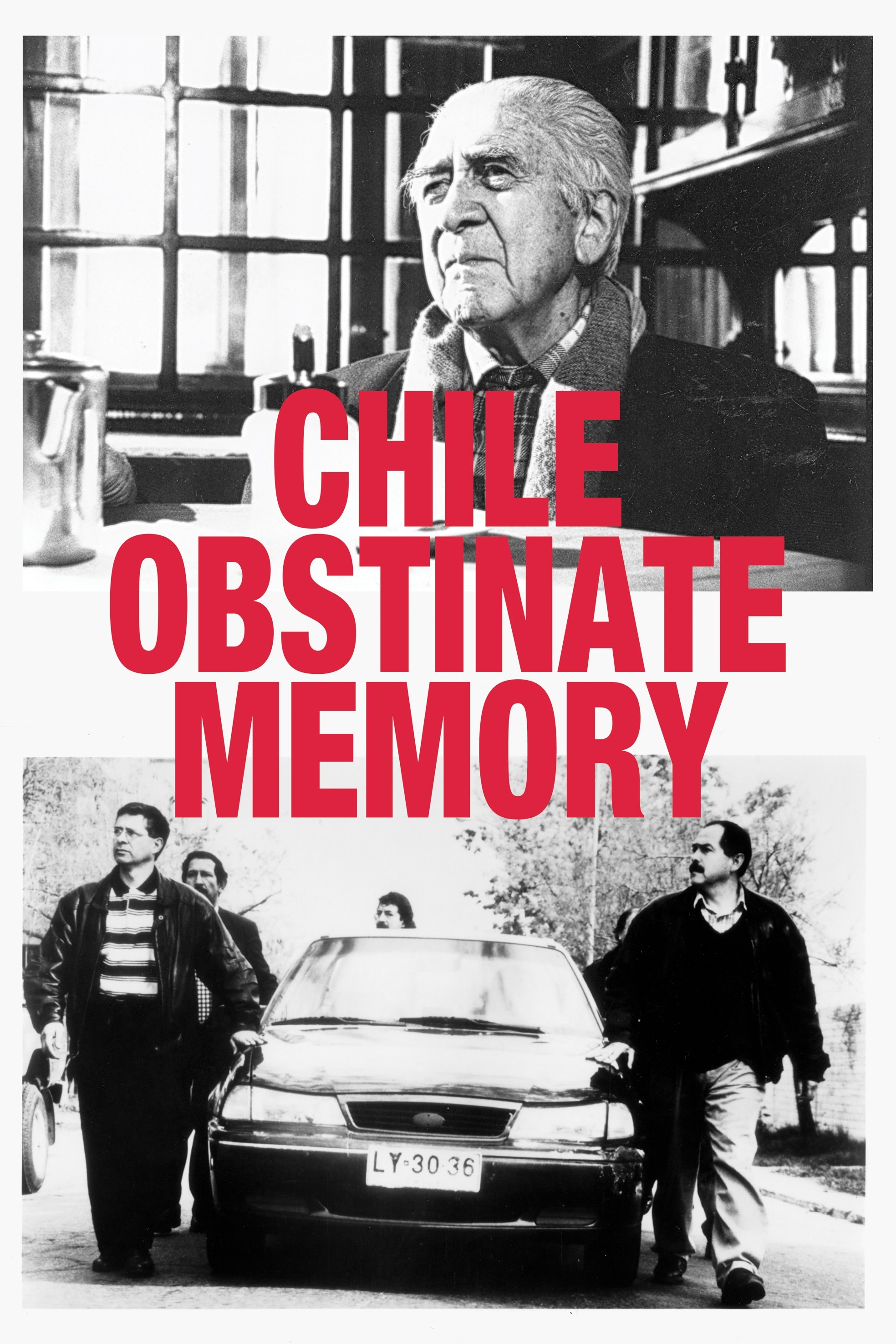
After decades of fascist rule in Chile, Patricio Guzmán returns to his country to screen his documentary The Battle of Chile.