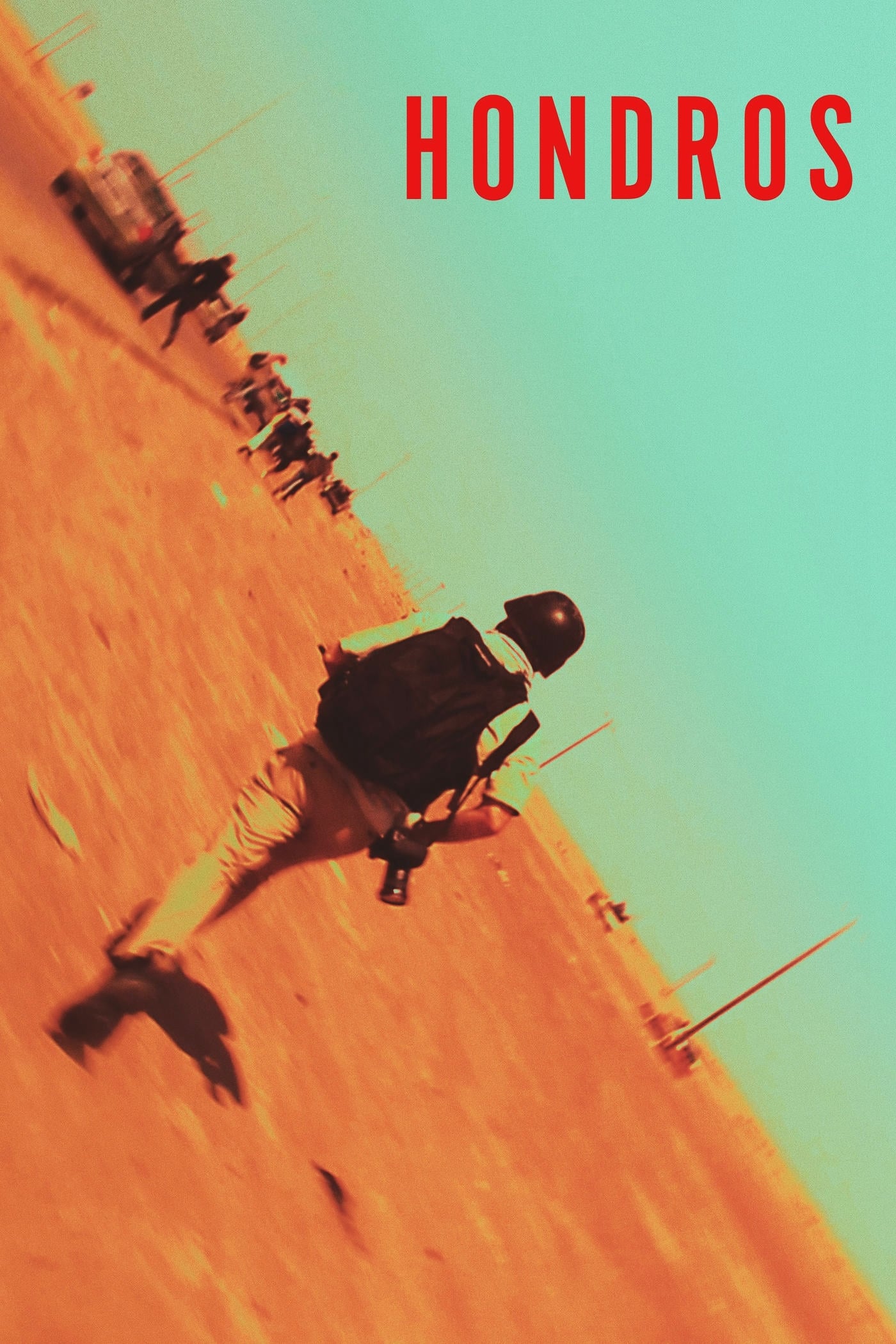
A documentary chronicling the life, career, and tragic death of war photographer Chris Hondros.
Story Structure — 4 Plot Phases
The Photographer's Lens
The documentary introduces Chris Hondros and his dedication to war photography. Early footage establishes his career spanning global conflicts and his commitment to documenting human stories.
Key Events
Documentary Concept — Campbell decides to chronicle Hondros' life and work through documentary filmmaking. Location: Production Studio
Hondros Introduction — Introduction of American war photographer Chris Hondros and his early career. Location: USA
Early Career — Hondros begins covering global conflicts as a dedicated war photographer. Location: Various Conflict Zones
Camera Equipment — Essential tools used by Hondros to document war zones. Location: Various
Frontlines of Libya
Hondros deploys to Misrata to cover the 2011 Libyan civil war. Tensions escalate between photographers and government forces as the conflict intensifies.
Key Events
Libyan Civil War — Hondros travels to cover the 2011 Libyan civil war amidst rising tensions. Location: Libya
Misrata Arrival — Hondros arrives in Misrata to document the uprising firsthand. Location: Misrata
Government Forces — Tensions rise between photographers and government troops in the city. Location: Misrata
Mortar Attack — A mortar attack strikes the area where Hondros is stationed. Location: Misrata
Misrata Location — The war-torn city where Hondros was covering the conflict. Location: Misrata
Mortar Shell — The lethal weapon that caused Hondros' fatal injury. Location: Misrata
Civil War Context — The broader political and military backdrop of the 2011 uprising. Location: Libya
The Mortar Attack
A sudden mortar strike by government forces kills Hondros in Misrata. The film captures the tragic moment and the immediate aftermath of his death.
Key Events
Mortar Attack — A mortar attack strikes the area where Hondros is stationed. Location: Misrata
Hondros Death — Chris Hondros is killed during the mortar attack while on assignment. Location: Misrata
Production Start — Greg Campbell begins filming and compiling archive footage for the documentary. Location: USA
Co-writing — Campbell and Golden collaborate on the documentary script and structure. Location: USA
Executive Production — Gyllenhaal and Curtis join as executive producers to support the project. Location: USA
Editing Phase — Campbell edits the footage into a cohesive narrative honoring Hondros. Location: USA
Mortar Shell — The lethal weapon that caused Hondros' fatal injury. Location: Misrata
Archive Footage — Historical clips and photos compiled for the documentary. Location: USA
Legacy and Premiere
Greg Campbell compiles archive footage and co-writes the script with Jenny Golden. Executive producers Jake Gyllenhaal and Jamie Lee Curtis support the project, leading to a successful Tribeca premiere and limited theatrical release.
Key Events
Editing Phase — Campbell edits the footage into a cohesive narrative honoring Hondros. Location: USA
Tribeca Premiere — The film premieres at the Tribeca Film Festival to critical attention. Location: Tribeca Film Festival
Audience Award — The documentary wins the Audience Award for Documentary First Place. Location: Tribeca Film Festival
Critical Reception — Critics praise the film for its intimate portrayal of Hondros' life. Location: USA
Limited Release — The film receives a limited theatrical release in the US on March 2. Location: United States
Tribeca Venue — The festival venue hosting the film's world premiere. Location: Tribeca Film Festival
Legacy Compilation — The final assembly honoring Hondros' photographic legacy. Location: USA
Festival Circuit — The film screens at additional international festivals after Tribeca. Location: Various
Historical Record — The documentary serves as a permanent record of Hondros' life. Location: Global
Story Breakdown
Photographic Journey — Hondros' early career and dedication to documenting global conflicts.
Early War Coverage — Hondros begins photographing conflicts worldwide.
Global Assignment — He takes on increasingly dangerous assignments.
Libyan Civil War — Hondros travels to Libya to cover the 2011 uprising.
Misrata Deployment — He arrives in Misrata to document the fighting.
Government Tensions — Conflicts arise between photographers and troops.
Fatal Mortar Attack — The sudden strike that ends Hondros' life.
Sudden Strike — A mortar shell hits the photographer's location.
Hondros Death — Chris Hondros is killed during the attack.
Documentary Production — Greg Campbell and Jenny Golden create the film.
Campbell Direction — Campbell writes, directs, and produces the film.
Golden Co-writing — Golden collaborates on the documentary script.
Executive Support — High-profile producers back the documentary project.
Gyllenhaal Involvement — Jake Gyllenhaal serves as executive producer.
Curtis Backing — Jamie Lee Curtis joins as executive producer.
Festival Premiere — The film debuts and wins awards at Tribeca.
Tribeca Screening — World premiere on April 21, 2017.
Audience Award Win — Wins Documentary First Place Audience Award.
Theatrical Release — Limited US release and critical reception.
Limited US Run — Theatrical release begins March 2, 2018.
Critical Acclaim — Praised for intimate portrayal of Hondros.
Legacy Preservation — The film immortalizes Hondros' photographic work.
Archive Compilation — Historical footage assembled into final cut.
Historical Record — Serves as permanent tribute to his life.
HONDROS follows the life and career of famous war photographer Chris Hondros by exploring the poignant and often surprising stories behind this award-winning photojournalist's best-known photos. Driven by a commitment to bear witness to the wars of our time after the events of 9/11, Chris was among the first in a new generation of war photographers since Vietnam. HONDROS explores the complexities inherent in covering more than a decade of conflict, while trying to maintain a normal life. It also examines the unknowable calculus involved in making split-second life and death decisions -- before, during and after his photos were made. Chris was killed in Libya in 2011, but he left a lasting impact on his profession that is still felt today.