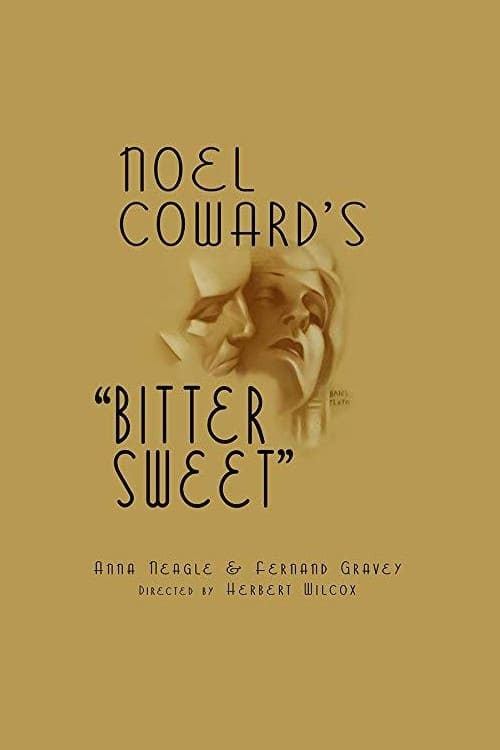
A musical romance exploring love, choice, and generational reflection through a framed narrative.
Story Structure — 4 Plot Phases
The Frame Narrative
An elderly Sarah Linden begins recounting her past to a young girl facing a romantic crossroads.
Key Events
Frame Story Opening — Elderly Sarah begins recounting her past to a young girl. Location: Narration Space
Aging Reflection — Sarah is established as a gray-haired old woman sharing memories. Location: Present Timeline
Engagement Announcement — The girl faces an impending marriage to an unsuitable man. Location: Social Setting
Narrative Framing Device — The story uses an elderly narrator to frame the romantic plot. Location: Structural Element
Emotional Core — The film explores the bittersweet nature of love and memory. Location: Psychological Space
The Engagement Dilemma
The girl confronts an impending marriage to an unsuitable man while harboring secret feelings for a musician.
Key Events
True Love Confession — The girl reveals her genuine romantic feelings for the musician. Location: Private Space
Internal Conflict — The girl struggles between duty and true affection. Location: Emotional Landscape
Romance Introduction — Sarah's own romantic history is introduced as the core story. Location: Narrative Frame
The Parallel Romance
Sarah's own romantic history unfolds, mirroring the girl's present emotional conflict and choices.
Key Events
Romance Introduction — Sarah's own romantic history is introduced as the core story. Location: Narrative Frame
Past Romance Development — Sarah's youthful romantic journey unfolds through narration. Location: Historical Setting
Parallel Dilemma — The past romance mirrors the girl's present emotional conflict. Location: Narrative Frame
The Emotional Resolution
The intertwined stories converge, highlighting themes of love, choice, and generational reflection.
Key Events
Climactic Choice — The girl confronts the reality of her romantic crossroads. Location: Decision Point
Narrative Resolution — The intertwined stories converge, offering reflective closure. Location: Narration Space
Operetta Origin — The film is adapted from Noël Coward's 1929 operetta. Location: Literary Context
Studio Production — The movie was produced at British and Dominion's Elstree Studios. Location: Elstree Studios
Cast Introduction — Anna Neagle, Fernand Gravey, and Ivy St. Helier star in the film. Location: Production Context
Genre Boom — The film emerged during a 1930s boom in operetta adaptations. Location: Industry Context
Remake Comparison — A 1940 remake with MacDonald and Eddy is noted for lower fidelity. Location: Cinema History
Fidelity Contrast — The 1933 version is praised for being less censored and more faithful. Location: Adaptation Analysis
Musical Romance Theme — The narrative centers on love, choice, and generational reflection. Location: Thematic Core
Cinematic Legacy — The film remains a notable entry in early British musical cinema. Location: Historical Record
Story Breakdown
Narrative Structure — The film employs a reflective framing device to connect past and present.
Frame Story Device — An elderly narrator recounts her life to a younger generation.
Parallel Timelines — Past romance mirrors the girl's present romantic dilemma.
Character Dynamics — Relationships drive the emotional core and thematic resonance.
Elderly Narrator — Sarah Linden provides wisdom through lived experience.
Young Protagonist — The girl navigates conflicting romantic obligations.
Romantic Themes — Love and choice form the central conflict of the story.
Engaged Dilemma — Social expectation clashes with genuine affection.
True Love Conflict — Authentic feelings compete with arranged or practical unions.
Production Context — The film emerged from a specific era of British cinema.
Operetta Adaptation — Based on Noël Coward's 1929 stage work.
Studio Production — Filmed at Elstree Studios during the operetta boom.
Cinematic Legacy — The film's historical and artistic impact is documented.
1933 Original Release — Praised for its faithful and uncensored adaptation.
1940 Remake Comparison — Later version noted for reduced fidelity to the source.
Thematic Resonance — The story explores universal emotional truths.
Love and Choice — Personal desire versus societal expectation.
Generational Reflection — Past experiences guide present decisions.
The first film adaptation, and most faithful, of Noel Coward's 1929 operetta Bitter Sweet. This tells the story of Sarah Linden's romance, the tale begins with Sarah, now older, reminiscing about her first love. As a young girl Sarah falls in love with Carl, a musician, and runs off with him to Vienna. They are happily wed and Carl earns a living conducting a small orchestra. Enter a certain Captain who sets his eye on Sarah and proceeds to shower her with his attentions, much to her dismay.