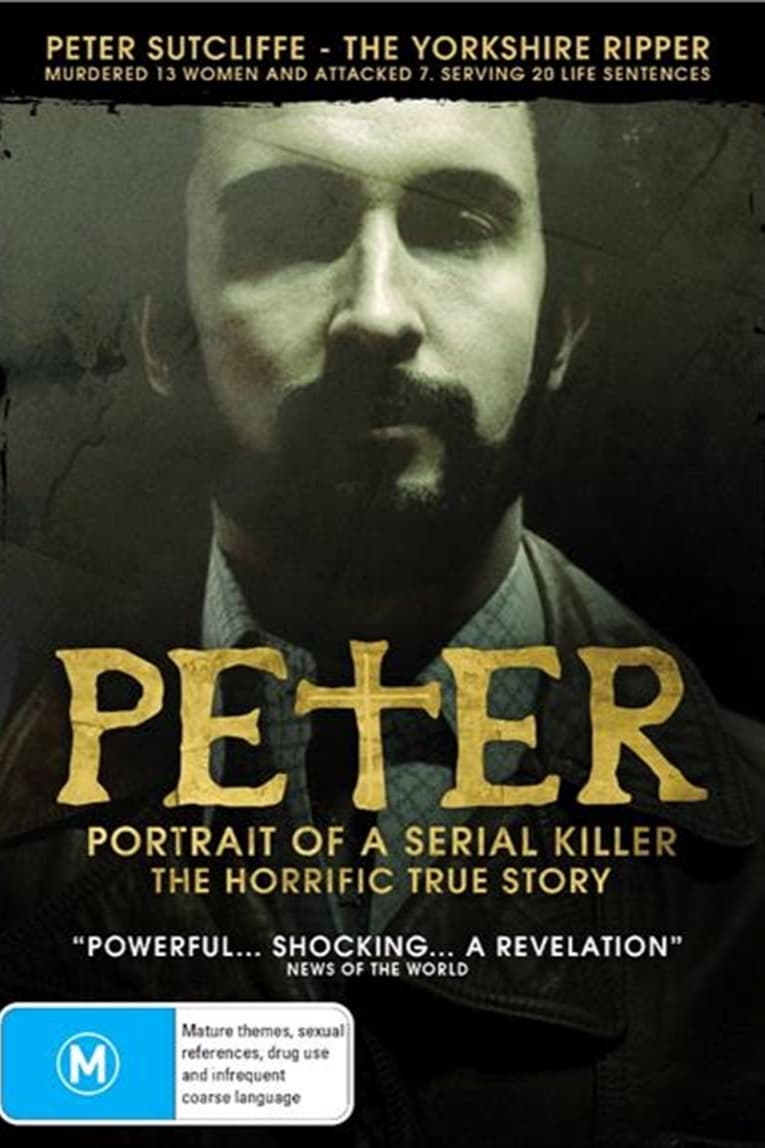
Plot Analysis Summary
The film examines a notorious serial killer through biography, murder history, archive evidence, psychiatric treatment, and unresolved moral interpretation.
Story Structure — 4 Plot Phases
A Portrait Built From Evidence
The film establishes an uncompromising true-crime portrait through performances and rare archive material. It then turns toward the subject's childhood and psychological background.
Key Events
-
True-Crime Portrait Begins — The film introduces itself as an uncompromising study of a notorious serial killer.
Location: Unspecified film setting
-
Performances Establish Tone — The film foregrounds uncompromising performances as part of its disturbing presentation.
Location: Unspecified film setting
-
Shocking Archive Revealed — Rare and shocking archive material is presented as a central source of evidence.
Location: Archive presentation
-
Childhood Is Explored — The film explores the subject's childhood as part of the portrait.
Location: Childhood setting
-
Dark Background Examined — Biographical material is connected to the film's examination of a dark psychological background.
Location: Unspecified biographical setting
-
Murder Pattern Emerges — The film begins detailing the sadistic murders attributed to the subject.
Location: Unspecified crime context
The Murderous Pattern
The account details the sadistic murders of thirteen women and places them within the subject's public notoriety. Archive material intensifies the disturbing historical record.
Key Events
-
Murder Pattern Emerges — The film begins detailing the sadistic murders attributed to the subject.
Location: Unspecified crime context
-
Victim Count Reaches Thirteen — The account identifies thirteen murdered women within the central true-crime narrative.
Location: Unspecified crime context
-
Violence Gains Public Weight — The murders are framed within the notoriety of Britain's most notorious serial killer.
Location: Britain
-
Archive Reframes the Crimes — Archive material intensifies the film's attempt to reveal the story directly.
Location: Archive presentation
-
Audience Enters Dark Mind — The narrative guides the audience into the subject's dark and twisted mind.
Location: Unspecified psychological setting
-
Psychiatric Treatment Begins — Ongoing psychological treatment becomes a major part of the portrait.
Location: Psychiatric treatment setting
Illness Under Examination
Ongoing psychological treatment becomes central to the film's investigation. Psychiatric claims introduce a possible explanation for the subject's actions.
Key Events
-
Psychiatric Treatment Begins — Ongoing psychological treatment becomes a major part of the portrait.
Location: Psychiatric treatment setting
-
Psychiatric Assessment Presented — Psychiatrists describe the subject as a dangerous paranoid schizophrenic.
Location: Psychiatric treatment setting
-
Diagnosis Faces Doubt — The psychiatric explanation is presented as an interpretation rather than a settled conclusion.
Location: Psychiatric treatment setting
-
Evil Interpretation Emerges — The film contrasts psychiatric explanation with the view that the subject is simply evil.
Location: Unspecified analytical setting
-
Competing Explanations Collide — Evidence and interpretation collide as the film refuses to provide an easy moral answer.
Location: Unspecified analytical setting
-
Treatment Remains Ongoing — The continuing nature of psychological treatment keeps the subject's condition unresolved.
Location: Psychiatric treatment setting
Judgment Without Closure
The film contrasts paranoid schizophrenia with the belief that the subject is simply evil. It leaves viewers to make their own judgment.
Key Events
-
Treatment Remains Ongoing — The continuing nature of psychological treatment keeps the subject's condition unresolved.
Location: Psychiatric treatment setting
-
Notoriety Is Reassessed — The film reassesses the public image of Britain's most notorious serial killer.
Location: Britain
-
Moral Judgment Deepens — The murders and competing explanations deepen the moral challenge posed to the audience.
Location: Unspecified analytical setting
-
Audience Must Decide — The film challenges viewers to decide whether illness or evil best explains the subject.
Location: Unspecified film setting
-
Portrait Ends Unresolved — The portrait concludes by leaving the ultimate judgment to the audience.
Location: Unspecified film setting