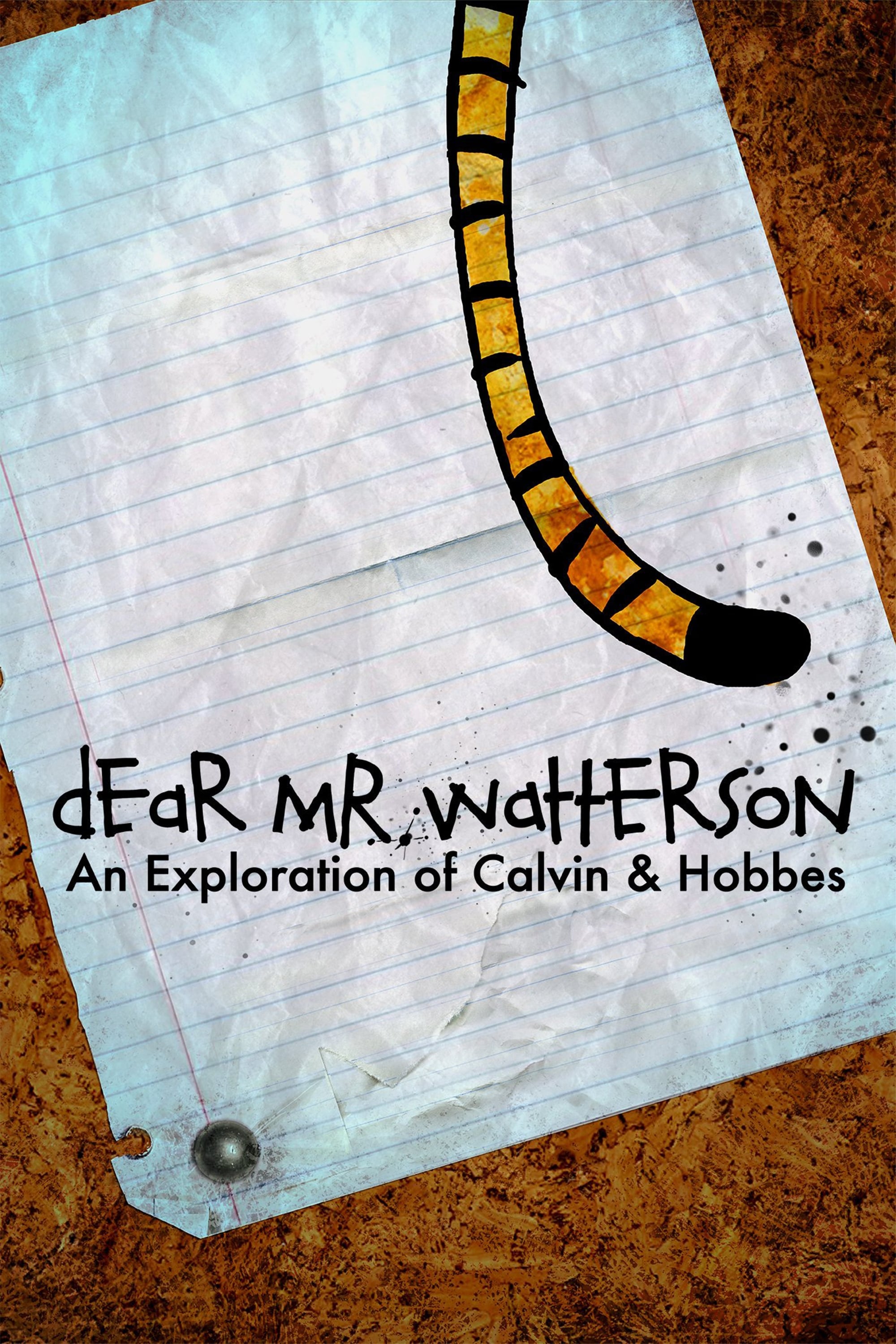
Plot Analysis Summary
A documentary explores how Calvin and Hobbes shaped readers, challenged commercial conventions, and survived as an artistic legacy.
Story Structure — 4 Plot Phases
The Comics That Shaped Readers
Readers describe how comic strips create emotional worlds and lasting memories. Their encounters with Calvin and Hobbes begin through newspapers, books, parents, and repeated reading.
Key Events
-
Readers Define Comic Meaning — Readers explain how short comic stories create emotional and imaginative worlds. Characters: Himself
Location: Interview settings
-
Discovering Calvin and Hobbes — Readers recall first encountering Calvin and Hobbes through newspapers, bookstores, parents, or borrowed books. Characters: Himself
Location: Newspapers and bookstores
-
Learning English Through Comics — One reader describes learning English in order to understand the comic books. Characters: Himself
Location: Reader interview setting
-
Finding New Layers — Readers describe rereading the strips and discovering additional meanings over time. Characters: Himself
Location: Reader interview setting
-
Snowmen and Sledding Memories — The strip's snowmen, sledding, and backyard adventures become formative memories for readers. Characters: Himself
Location: Backyard imagination
Walking Through the Comic World
The filmmakers travel to Chagrin Falls and compare its streets with places represented in the strip. A preserved library drawing deepens their connection to the comic's imagined world.
Key Events
-
Journey to Chagrin Falls — The filmmakers travel to Chagrin Falls, the hometown associated with the cartoonist. Characters: Himself
Location: Chagrin Falls
-
Fiction Mirrors Reality — Town streets and buildings resemble locations depicted in the comic strip. Characters: Himself
Location: Chagrin Falls streets
-
Library Drawing Preserved — A local library preserves an original drawing related to Calvin visiting a library. Characters: Himself
Location: Local library
-
The Journey Shapes Filmmaking — The visit expands the filmmakers' understanding of the artist and the comic's world. Characters: Himself
Location: Chagrin Falls
Art Against the Marketplace
Interviews present the cartoonist as private and committed to artistic integrity. The documentary then explores tensions involving syndication, licensing, merchandising, and competing views among cartoonists.
Key Events
-
A Private Artist Portrait — Interviews portray the cartoonist as private, introverted, and devoted to drawing. Characters: Himself
Location: Interview settings
-
Worldwide Comic Success — The documentary examines worldwide circulation, awards, book sales, and international readership. Characters: Himself
Location: Interview settings
-
Integrity Over Recognition — The artist appears more concerned with the comic's integrity than commercial recognition. Characters: Himself
Location: Interview settings
-
Syndication Creates Tension — Artistic principles create tension with syndication, licensing, and merchandising practices. Characters: Himself
Location: Syndication business context
-
Cartoonists Debate Commercial Practice — Other cartoonists recall disagreement over the business and artistic standards of cartooning. Characters: Himself
Location: Cartoonist interviews
-
The Medium Defended as Art — Some cartoonists support defending comics as an art form. Characters: Himself
Location: Cartoonist interviews
-
Established Practices Resisted — Other cartoonists resist the challenge to established commercial practices. Characters: Himself
Location: Cartoonist interviews
A Legacy Beyond Newspapers
The film considers shrinking newspapers and the migration of readers online. Despite the loss of a shared discovery space, Calvin and Hobbes continues through memory and artistic influence.
Key Events
-
Newspapers Begin Shrinking — The documentary considers shrinking newspapers and the movement of readers online. Characters: Himself
Location: Changing media landscape
-
Shared Discovery Disappears — The shared experience of discovering many comics in one place is described as disappearing. Characters: Himself
Location: Changing media landscape
-
Affection Sustains the Legacy — Readers, artists, and communities demonstrate that Calvin and Hobbes remains culturally important. Characters: Himself
Location: Reader and artist communities
-
Artistic Impact Endures — The strip's legacy survives through artistic impact and personal memories rather than new episodes or extensive merchandise. Characters: Himself
Location: Reader memories