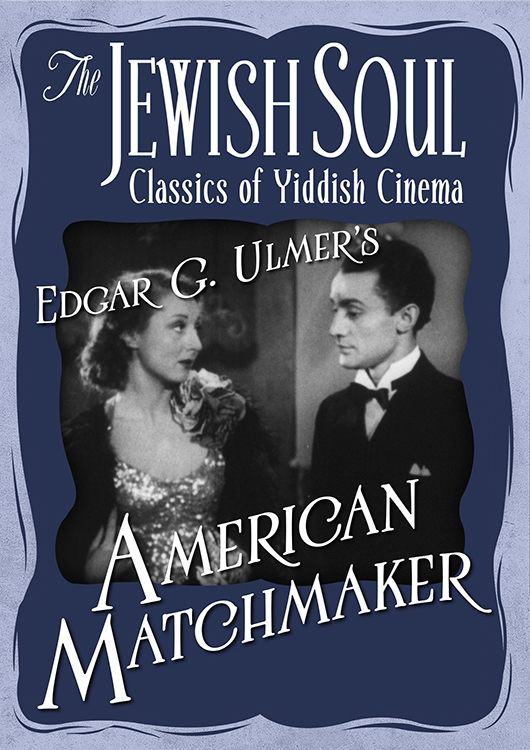
American Matchmaker (1940) — AI Story Visualization
Plot Analysis Summary
A 1940 Yiddish comedy film chronicling its production, release, and archival restoration.
Story Structure — 4 Plot Phases
Creative Genesis
The film begins with director Edgar G. Ulmer assembling the principal cast. Key creative personnel, including composer Sam Morgenstern and screenwriter Shirley Kassler Ulmer, contribute their respective talents to the production.
Key Events
Production Assembly — Director assembles cast for Yiddish film.
Location: Studio
Music Composition — Composer creates original soundtrack.
Location: Studio
Theatrical Debut
The completed 1940 Yiddish-language comedy premieres in American theaters. The film establishes its comedic tone and reaches its initial audience.
Leo Fuchs gains significant recognition for his performance, earning the moniker 'the Yiddish Fred Astaire'. The film transitions from a commercial release to a cultural artifact.
Key Events
Star Recognition — Leo Fuchs earns nickname.
Location: Cultural Scene
Archival Entry — Film enters historical archives.
Location: Archive
Archival Revival
The National Center for Jewish Film undertakes a comprehensive restoration of the film. The project secures the movie's place as a preserved piece of Jewish cinematic heritage.
Key Events
Restoration Project — Center restores original footage.
Location: National Center
Legacy Secured — Recognized as premier archive.
Location: Global Archives
Story Breakdown
Production Framework — Establishes the director and principal cast for the Yiddish-language comedy.
Director Vision — Edgar G. Ulmer directs the film with a clear comedic vision.
Cast Assembly — Leo Fuchs, Judith Abarbanel, Judel Dubinsky, and Anna Guskin are selected.
Creative Contributions — Details the key artistic personnel behind the film's soundtrack and script.
Musical Score — Sam Morgenstern composes the original music for the production.
Screenplay Draft — Shirley Kassler Ulmer writes the script under a pseudonym.
Release & Genre — Marks the film's debut as an American Yiddish comedy in 1940.
Yiddish Comedy — The film establishes its genre and linguistic identity.
Theatrical Premiere — The movie is released to American audiences in theaters.
Star Recognition — Highlights the critical acclaim and cultural impact of the lead actor.
Leo Fuchs Stardom — Leo Fuchs gains significant recognition for his performance.
Cultural Nickname — He earns the moniker 'the Yiddish Fred Astaire'.
Archival Preservation — Tracks the film's journey into historical preservation efforts.
Historical Cataloging — The film is cataloged for long-term historical storage.
Archive Integration — It becomes part of a major Jewish film collection.
Restoration & Legacy — Focuses on the modern restoration and enduring cultural significance.
Film Restoration — The National Center for Jewish Film restores the original footage.
Cultural Heritage — The archive is recognized as the largest outside Israel.
Nat Silver has been engaged 7 times already. This time, his 8th, he's really going to get married. But a visitor shows up, Shirley's old boyfriend. With a gun ! He'll kill himself unless he can have Shirley back, and Nat graciously gives in. According to Nat's mother, his Uncle Shya was unlucky at love but lucky as a matchmaker, and Nat is just like Shya. Nat tells his family he's going to Italy. But he remains in New York and sets himself up with a new name and new business, Nat Gold, Advisor in Human Relations...