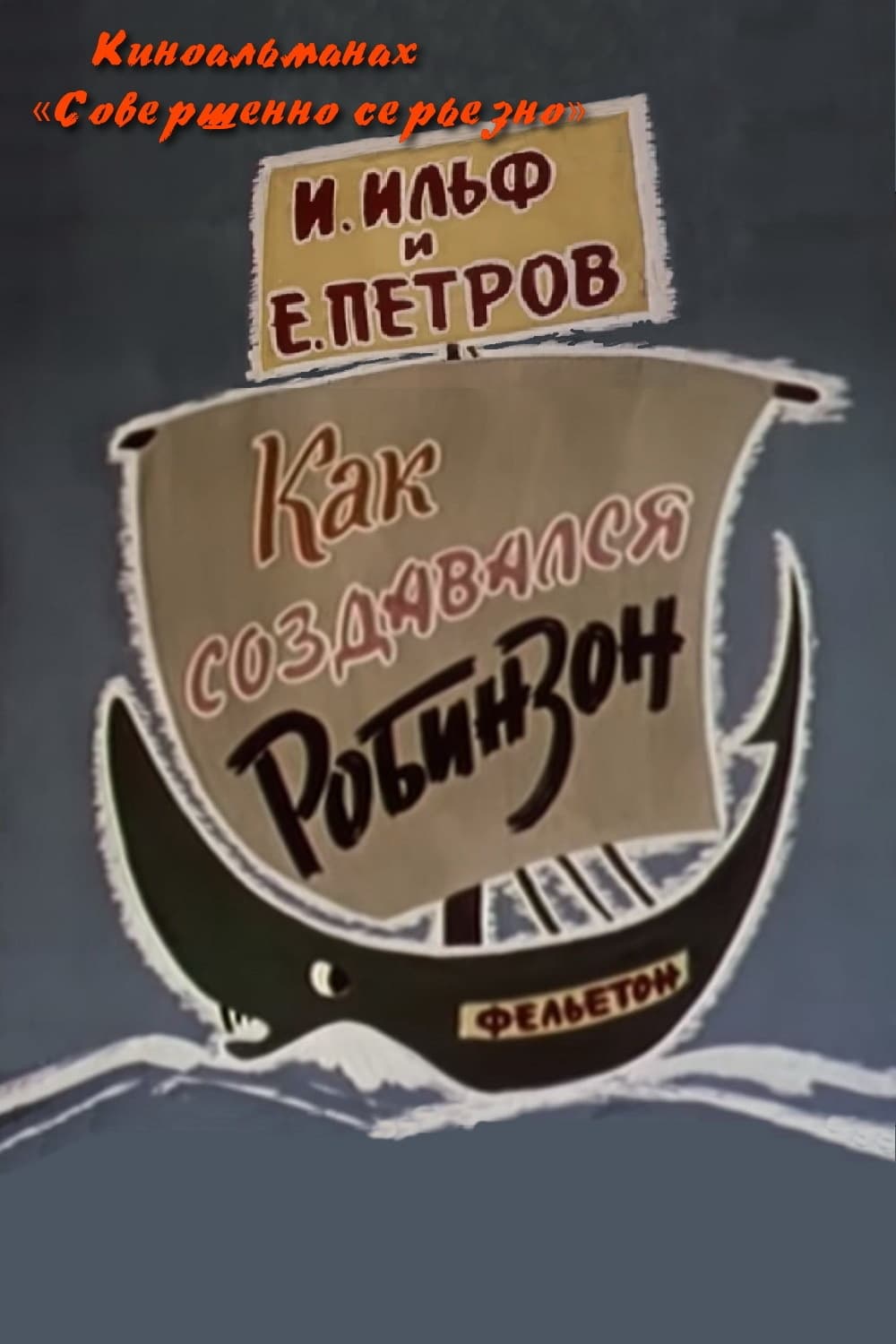
How Robinson Was Created (1961) — AI Story Visualization
Plot Analysis Summary
A meta-narrative exploring the clash between artistic vision and rigid editorial mandates during the creation of a Soviet adaptation.
Story Structure — 4 Plot Phases
The Commission & Enthusiasm
The chief editor commissions Moldavantsev to write a continuation of Robinson Crusoe. The writer initially embraces the project with great enthusiasm and begins drafting a Soviet adaptation.
Key Events
Commissioning the Novel — Chief editor commissions Moldavantsev to write a Robinson Crusoe continuation.
Location: Magazine Office
Defoe Reference — Editor references Daniel Defoe's classic for inspiration.
Location: Magazine Office
Initial Enthusiasm — Writer accepts the task with great enthusiasm.
Location: Writer's Study
Writer's Study — Moldavantsev begins drafting the continuation.
Location: Writer's Study
Submission & Dissatisfaction
Moldavantsev submits his manuscript for review. The editor reads the draft and remains deeply unsatisfied with the creative direction, setting the stage for conflict.
Key Events
Soviet Adaptation — Writer tries to adapt Defoe's classic into a Soviet narrative.
Location: Writer's Study
Manuscript Submission — Writer submits the completed manuscript for review.
Location: Editor's Office
Editorial Review — Detailed reading of the Soviet adaptation.
Location: Editor's Office
Editorial Dissatisfaction — Editor reads the work and remains deeply unsatisfied.
Location: Editor's Office
Editorial Meeting — Direct confrontation over manuscript changes.
Location: Editor's Office
Creative Conflict — Ongoing tension between artistic vision and editorial control.
Location: Magazine Office
Ideological Pressure & Demands
The editor pressures the writer to make major adjustments, mandating the inclusion of union members, a contribution secretary, and a safe. The creative process becomes heavily restricted.
Key Events
Pressure for Adjustments — Editor pressures the writer to make major adjustments.
Location: Editor's Office
Editorial Meeting — Direct confrontation over manuscript changes.
Location: Editor's Office
Ideological Mandates — Editor demands inclusion of union members and a contribution secretary.
Location: Editor's Office
Creative Conflict — Ongoing tension between artistic vision and editorial control.
Location: Magazine Office
The Absurd Proposal & Climax
Editorial interference escalates to its apotheosis. The editor ultimately proposes excluding Robinson himself from the novel, collapsing the narrative framework entirely.
Key Events
Mandatory Props — Editor lists specific items that must appear.
Location: Editor's Office
Escalating Demands — Editorial changes become increasingly absurd and restrictive.
Location: Editor's Office
The Safe and Secretary — The apotheosis of editorial changes focuses on mandatory props.
Location: Editor's Office
Exclusion Proposal — Editor proposes excluding Robinson himself from the novel.
Location: Editor's Office
Narrative Collapse — The story reaches its peak when the protagonist is removed.
Location: Editor's Office
Final Proposal — The ultimate editorial demand removes the protagonist.
Location: Editor's Office
Meta-Fictional Peak — The boundary between creator and creation dissolves.
Location: Editor's Office
Story Breakdown
Creative Commission — The initial assignment and professional setup for the novel project.
Magazine Assignment — Chief editor formally commissions the continuation.
Writer Acceptance — Moldavantsev enthusiastically agrees to the task.
Manuscript Development — The writing process and adaptation of the classic tale.
Soviet Adaptation — Writer attempts to modernize Defoe's narrative.
Draft Completion — Manuscript is finished and prepared for submission.
Editorial Review — First reading and immediate feedback on the draft.
Manuscript Submission — Writer delivers the completed work to the editor.
Initial Critique — Editor reads the draft and expresses deep dissatisfaction.
Ideological Pressure — Demands for political alignment and mandatory inclusions.
Union Requirements — Editor insists on adding union members to the plot.
Mandatory Inclusions — Secretary and safe are forced into the narrative.
Narrative Escalation — Increasingly absurd demands that disrupt the story.
The Safe Mandate — Editorial changes focus heavily on physical props.
Meta-Fictional Climax — Breaking the narrative framework through extreme demands.
Exclusion Proposal — Editor proposes removing Robinson from the novel.
Story Collapse — The narrative framework dissolves under editorial control.
The film is based on the feuilleton of the same name by I. Ilf and E. Petrov. A writer named Moldovantsev delivers a thrilling Soviet‐style Robinson Crusoe adventure on deadline, only to have his editor insist on adding a local party chairman, freed ex‐members, an activist collector, a housing committee and even a meeting table, bell and ledger washed ashore. Reluctantly he complies, so far that he jettisons Robinson himself as an unjustified weakling, transforming his novel into an absurd manifesto of bureaucratic excess.