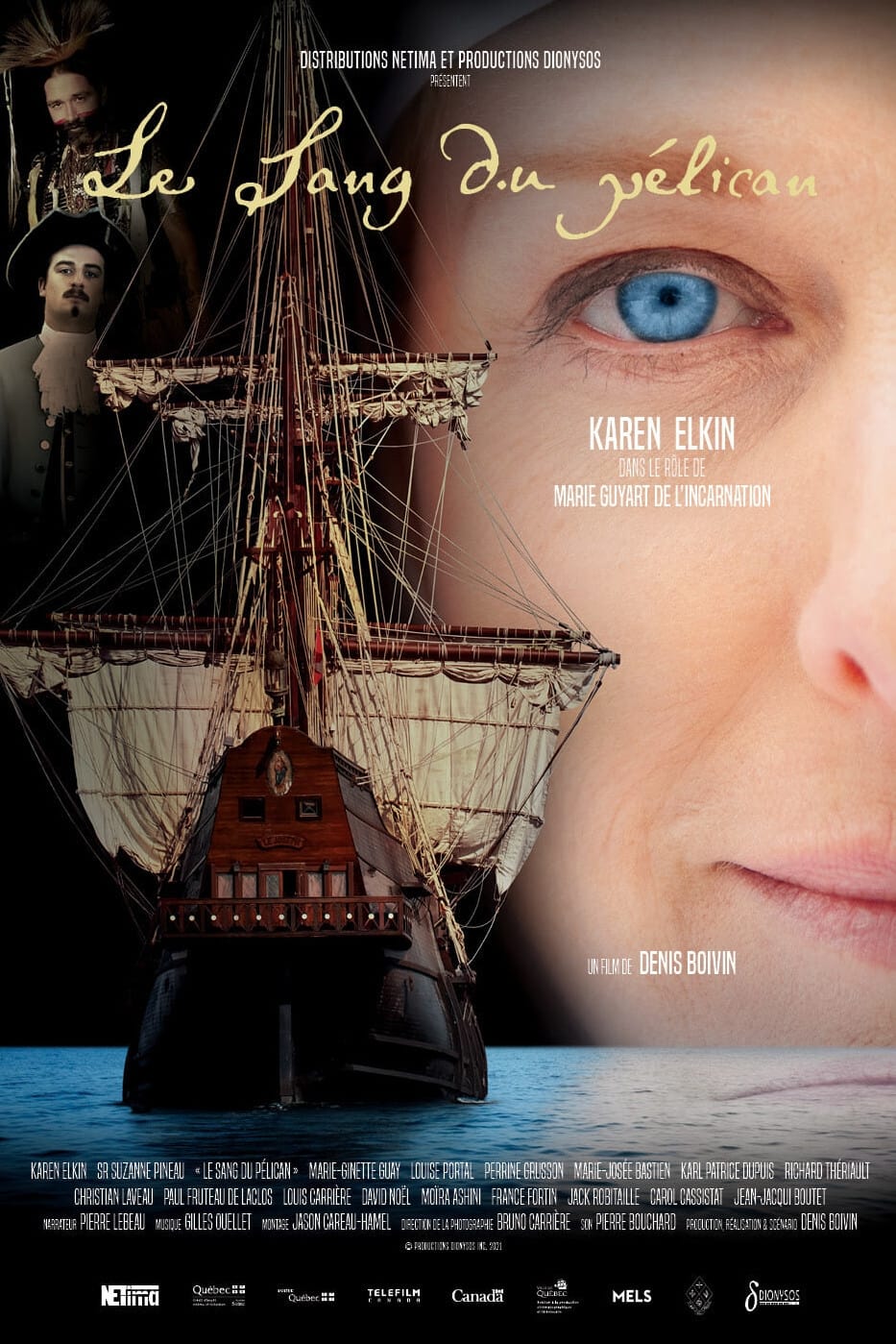
Story Structure — 4 Plot Phases
Foundations in New France
The film opens with historical reenactments focusing on Marie of the Incarnation's life in 17th-century New France. She plays a pivotal role in establishing the Ursuline monastery, setting the stage for its enduring legacy.
Key Events
-
Historical Reenactment Setup — Introduction of 17th-century Ursuline nun in historical setting
Location: New France
-
Monastery Founding — Establishing the historically significant monastery
Location: New France Settlement
-
Pelican Sacrifice Metaphor — Symbolic representation of maternal devotion
Location: Monastery Interior
-
Historical Reenactment Set — Physical space for 17th-century scenes
Location: New France Replica
-
Film Script Structure — Blueprint blending dual timelines
Location: Production Office
The Pelican's Return
The narrative shifts to the 2010s, where contemporary nuns face the reality of aging and facility departure. Marie spiritually returns to earth, bridging the centuries to offer guidance and comfort.
Key Events
-
Pelican Sacrifice Metaphor — Symbolic representation of maternal devotion
Location: Monastery Interior
-
Transition to 2010s — Shift to present-day timeline
Location: Modern Montreal
-
Nuns Facing Aging — Realization of advancing age and facility departure
Location: Monastery Dormitory
-
Spiritual Return — Historical figure returns to earth to assist
Location: Monastery Courtyard
-
Guiding Contemporary Nuns — Offering wisdom and support during transition
Location: Monastery Chapel
-
Docudrama Filming Process — Blending docudrama elements with reenactments
Location: Production Set
-
Ursuline Monastery Location — Central setting for both timelines
Location: Montreal
-
Contemporary Nuns Quarters — Living space highlighting aging challenges
Location: Modern Monastery Wing
Bridging Centuries
Interactions between the historical figure and modern nuns deepen, highlighting shared struggles and spiritual continuity. The docudrama format blends fact and fiction to explore themes of sacrifice and motherhood.
Key Events
-
Docudrama Filming Process — Blending docudrama elements with reenactments
Location: Production Set
-
Ursuline Legacy Preservation — Connecting past founding with present stewardship
Location: Monastery Archives
-
Facility Departure Preparation — Packing and preparing to leave the historic site
Location: Monastery Halls
-
Inter-Timeline Dialogue — Spiritual conversation bridging centuries
Location: Monastery Garden
-
Cast Introduction — Ensemble cast supporting the dual narrative
Location: Filming Location
-
Monastery Historical Significance — Emphasizing the institution's cultural impact
Location: Montreal Historic District
-
Ursuline Monastery Location — Central setting for both timelines
Location: Montreal
-
Monastery Archives — Repository of founding documents
Location: Historical Records Room
Legacy and Departure
The contemporary nuns prepare to leave the monastery, finding peace through Marie's guidance. The film concludes with a reflection on the enduring impact of the Ursuline legacy and the pelican metaphor.
Key Events
-
Monastery Historical Significance — Emphasizing the institution's cultural impact
Location: Montreal Historic District
-
Contemporary Crisis Resolution — Finding peace and purpose before departure
Location: Monastery Main Hall
-
Theatrical Premiere — October 2020 audience reception
Location: Film Festival Venue
-
Commercial Release — March 2021 wide distribution
Location: Cinemas
-
Pelican Blood Symbolism — Visual motif representing sacrifice and motherhood
Location: Monastery Altar
-
Legacy Continuation — Passing the torch to future generations
Location: Monastery Gates
-
Pelican Motif Prop — Recurring visual symbol in docudrama
Location: Altar Display
-
Docudrama Filming Process — Behind-the-scenes blending of fact and fiction
Location: Production Studio