Story Structure — 4 Plot Phases
Exile and Strategic Reorganization
MacArthur and his forces retreat from the Philippines in early 1942, facing severe logistical and strategic challenges in Australia. The American military formulates a new bypass strategy to counter Japanese expansion.
Key Events
-
Exile from Philippines — MacArthur and troops retreat from Philippines in early 1942.
Location: Philippines
-
Australian Strategy Problems — MacArthur addresses logistical and strategic challenges in Australia.
Location: Australia
-
Hit Them Where They Ain't Strategy — Allies adopt bypass strategy for island campaigns.
Location: Pacific Command Center
-
Documentary Production Initiation — Army units begin filming MacArthur's campaign footage.
Location: Military Film Unit
-
Military Branch Cooperation — Multiple military branches coordinate documentary production.
Location: Production Headquarters
Island Hopping Campaigns
Allied troops advance through the Solomon Islands and Papua New Guinea, executing the hit-where-they-aint strategy. Joint operations with the Navy and Air Forces gradually push Japanese forces back.
Key Events
-
Hit Them Where They Ain't Strategy — Allies adopt bypass strategy for island campaigns.
Location: Pacific Command Center
-
Solomons Campaign — Allied forces advance through Solomon Islands archipelago.
Location: Solomon Islands
-
Papua New Guinea Advance — Troops push forward through dense Papua New Guinea terrain.
Location: Papua New Guinea
Philippines Liberation and Surrender
The reconquest of the Philippines culminates in brutal urban combat in Manila and the liberation of POWs. The campaign concludes with the formal signing of Japan's surrender in September 1945.
Key Events
-
Philippines Reconquest Begins — Major amphibious assault launched to retake Philippines.
Location: Philippines Coast
-
Battle of Leyte — Intense naval and land battle secures Leyte island.
Location: Leyte Gulf
-
Battle of Manila — Vivid street fighting documented in Manila urban combat.
Location: Manila Streets
-
POW Camp Rescue — Allied troops liberate captured American and Filipino prisoners.
Location: Japanese Prison Camps
-
Post-Surrender Context — Allied forces establish occupation authority after surrender.
Location: Occupied Japan
Critical Reception and Legacy
Warner Bros distributes the documentary for the War Activities Committee. Bosley Crowther publishes a mixed review, praising the footage but criticizing the structure and MacArthur focus. The film is later preserved by the Academy.
Key Events
-
Japanese Surrender Signing — Formal surrender ceremony concludes Pacific War.
Location: Tokyo Bay
-
Warner Bros Distribution — Warner Bros handles theatrical release for wartime committee.
Location: Los Angeles Studios
-
NYT Review Publication — Crowther publishes critical review of the documentary.
Location: New York Times Office
-
Cinematic Structure Critique — Reviewer notes inadequate cinematic structure for the subject.
Location: New York Times Office
-
MacArthur Personality Emphasis — Crowther criticizes excessive focus on MacArthur's personality.
Location: New York Times Office
-
Action Footage Praise — Crowther acknowledges highest caliber action photography.
Location: New York Times Office
-
Pacific War Scope Limitation — Reviewer states film is not a full Pacific war review.
Location: New York Times Office
-
2013 Archive Preservation — Academy preserves documentary for historical legacy.
Location: Academy Film Archive
-
Post-Surrender Context — Allied forces establish occupation authority after surrender.
Location: Occupied Japan
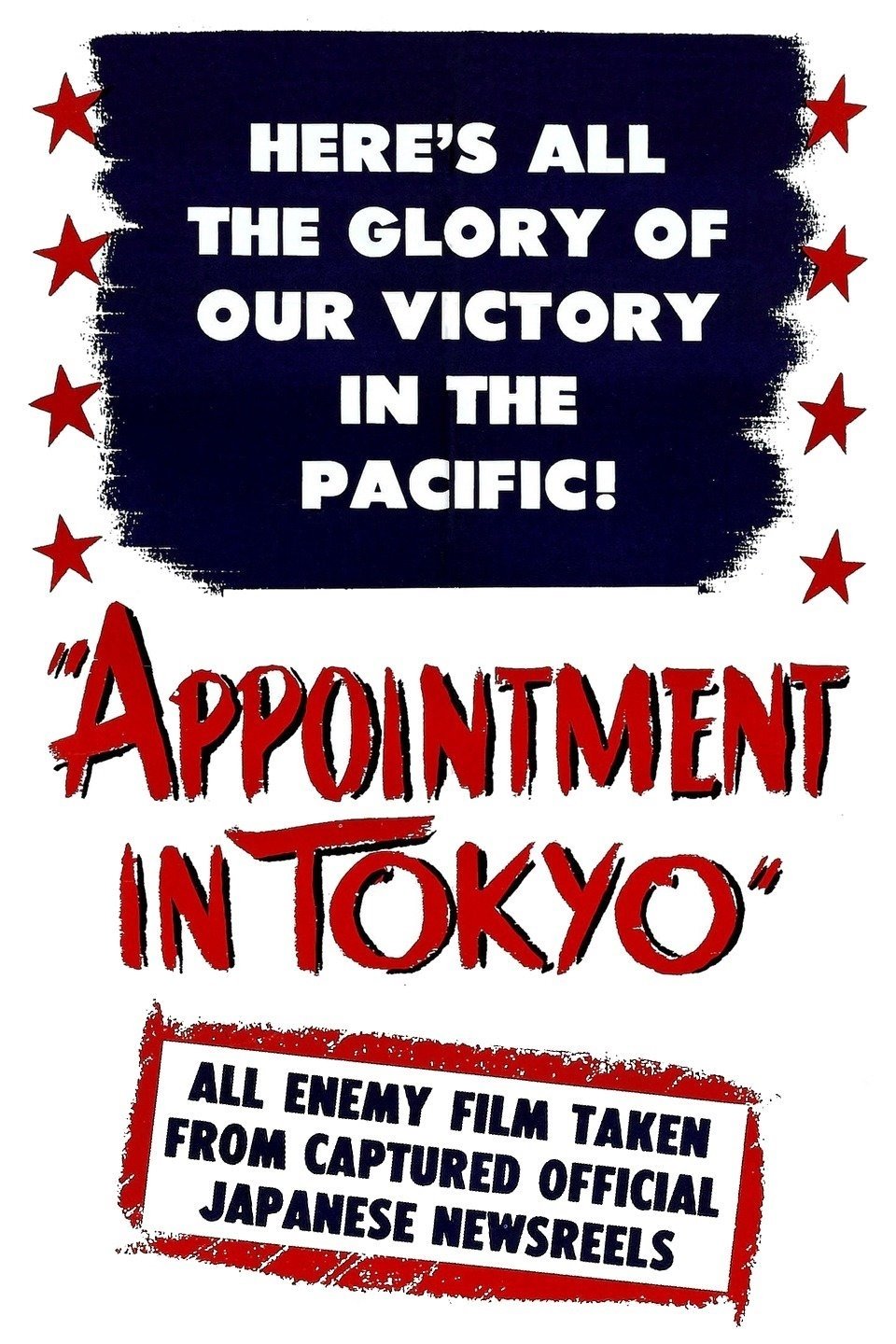
Produced by the Army Pictorial Service, Signal Corps, with the cooperation of the Army Air Forces and the United States Navy, and released by Warner Bros. for the War Activities Committee shortly after the surrender of Japan. Follow General Douglas MacArthur and his men from their exile from the Philippines in early 1942, through the signing of the instrument of surrender on the USS Missouri on September 1, 1945. Preserved by the Academy Film Archive in 2013.