Story Structure — 3 Plot Phases
Shadows of Treason
The narrative opens with the wartime setting in 1941 Hebei, introducing Wang Jin's false treason accusation and the criminal backgrounds of the eight prisoners.
Key Events
-
Setting: 1941 Hebei — Establishes wartime backdrop and location.
Location: Hebei Province
-
Context: Sino-Japanese War — Outlines the broader military conflict.
Location: Hebei Region
-
Group: Eight Prisoners — Introduces the incarcerated group.
Location: Prisoner Transport
-
Crimes Revealed — Details banditry, informing, and desertion.
Location: Prisoner Transport
-
Protagonist: Wang Jin — Introduces the falsely accused officer.
Location: Hebei Countryside
-
False Treason Charge — Explains separation and false accusation.
Location: Military Camp
-
Ragtag Band Formation — Initial uneasy grouping under guard.
Location: Transport Route
-
Prisoner Transport Route — Initial journey path through countryside.
Location: Hebei Region
-
Military Uniforms — Symbol of official status and authority.
Location: Transport Route
-
Prisoner Shackles — Physical restraint and social stigma.
Location: Prisoner Transport
Massacre and Awakening
During their transport, the group discovers a village massacre, triggering a profound emotional shock that forces them to confront their selfish survival instincts.
Key Events
-
Ragtag Band Formation — Initial uneasy grouping under guard.
Location: Transport Route
-
Selfish Pursuits — Highlights individual survival instincts.
Location: Wilderness
-
March Through Hebei — Journey begins through rural terrain.
Location: Hebei Countryside
-
Village Massacre Discovery — Shocking discovery of civilian deaths.
Location: Massacred Village
-
Shock & Realization — Emotional impact of the atrocity hits.
Location: Village Ruins
-
Decision to Change — Turning point: abandoning selfishness.
Location: Village Ruins
-
Collective Action Plan — Discussing unified purpose and survival.
Location: Village Ruins
-
Communist Principles — Wang explains party ideology and duty.
Location: Village Ruins
-
Massacred Village Ruins — Catalyst for ideological transformation.
Location: Village Site
-
Party Documents — Ideological foundation for moral shift.
Location: Village Ruins
Redemption and Loyalty
Inspired by Wang Jin's devotion to Communist principles, the prisoners abandon their past crimes, develop camaraderie, and unite under a new national loyalty.
Key Events
-
Communist Principles — Wang explains party ideology and duty.
Location: Village Ruins
-
Righteousness Inspires — Moral awakening takes hold within group.
Location: Village Ruins
-
Loyalty to Nation — Shift from self-interest to national duty.
Location: Hebei Countryside
-
Camaraderie Development — Building trust and mutual respect.
Location: March Route
-
Overcoming Past Crimes — Redemption arc progresses through action.
Location: Wilderness
-
Unified Purpose — Solidifying new collective identity.
Location: Hebei Countryside
-
Collective Stand — Final confrontation with enemy forces.
Location: Battlefield
-
Party Documents — Ideological foundation for moral shift.
Location: Village Ruins
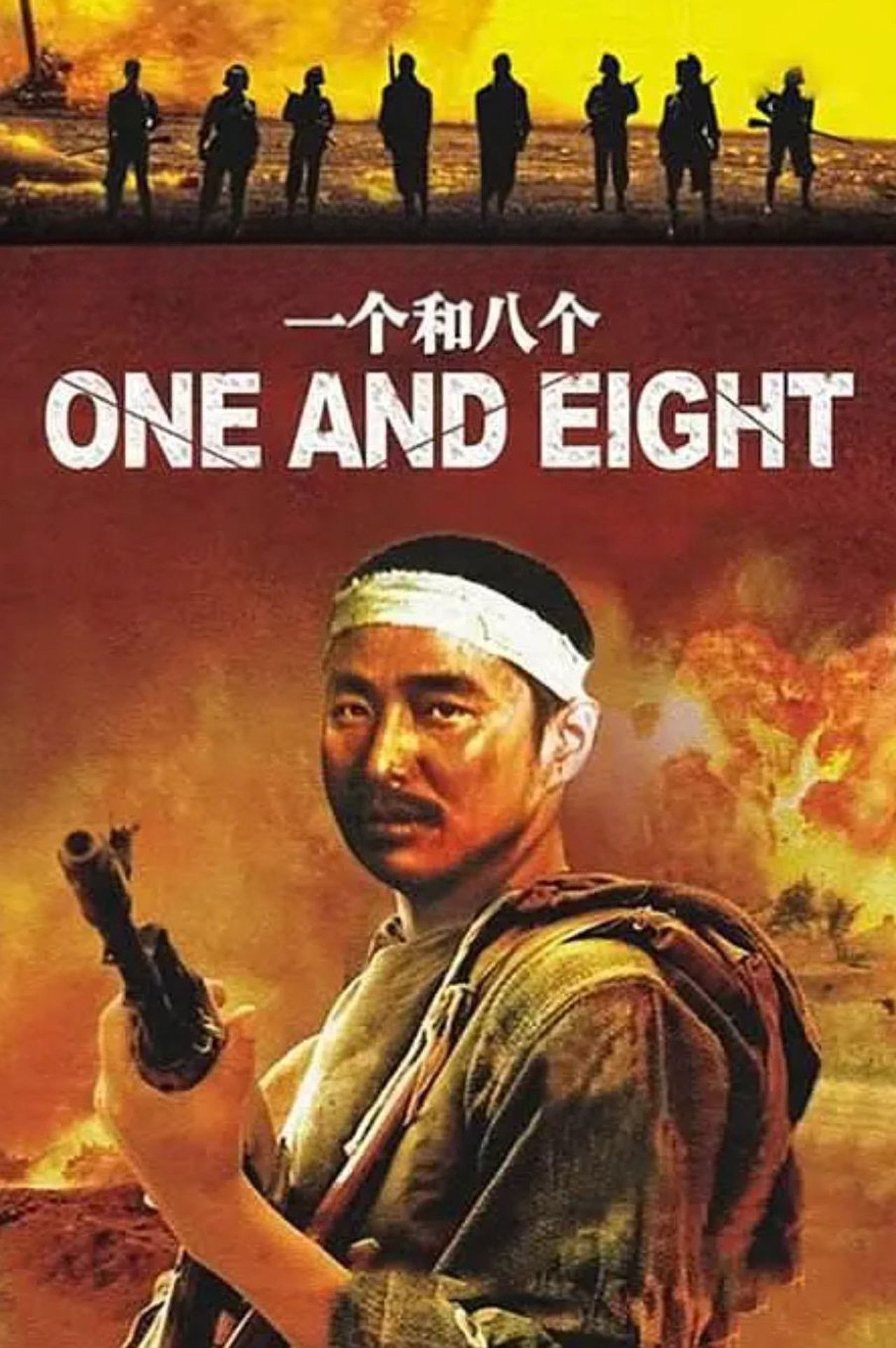
Director Zhang Junzhao's superbly tense revisionist war film (featuring striking cinematography from future Fifth Generation standard bearer Zhang Yimou) is widely considered to be the first work of Mainland Fifth Generation cinema.