Plot Analysis Summary
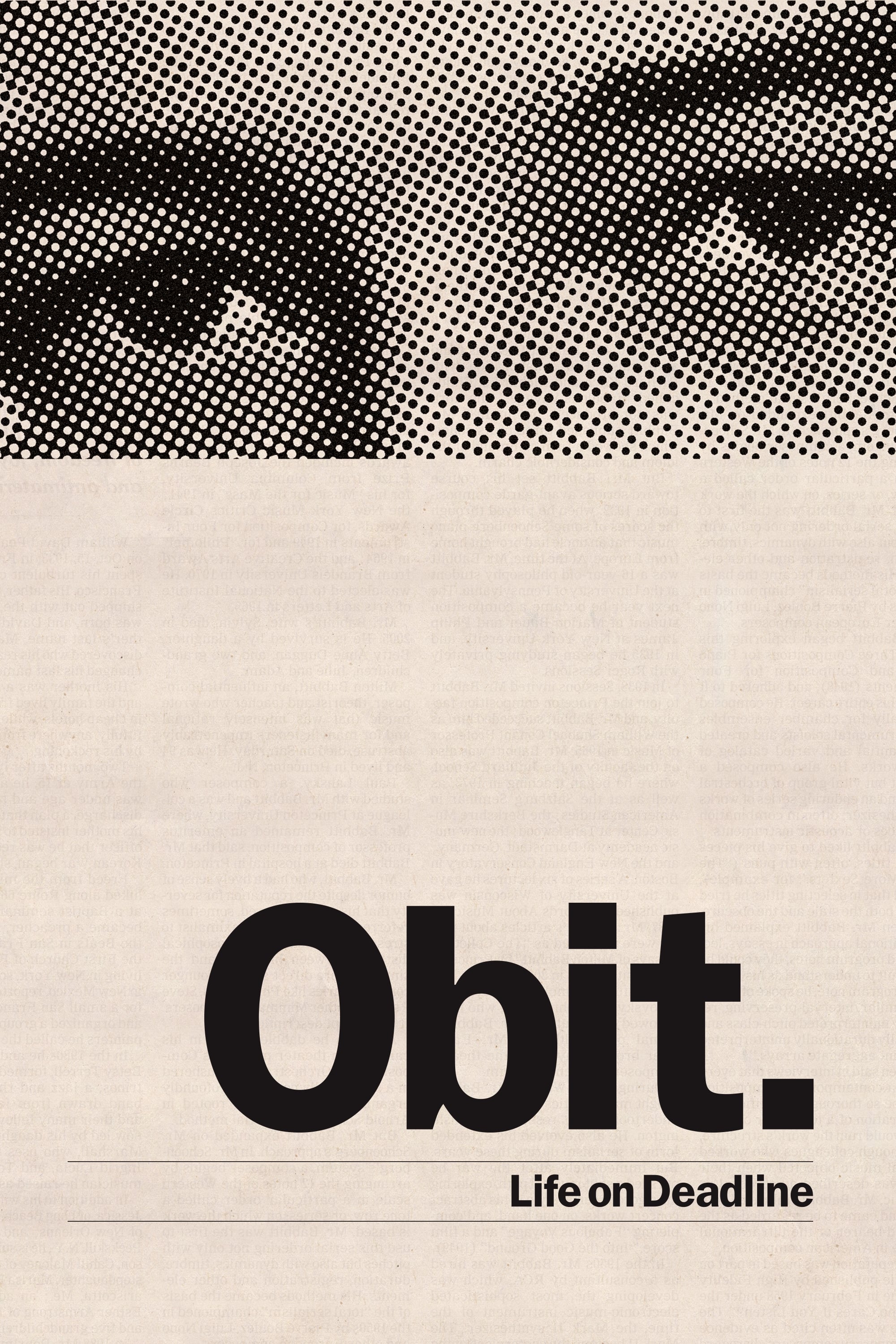
An exploration of the New York Times obituary desk, examining the research, editorial pressure, and archival systems behind recording human legacies.
Story Structure — 4 Plot Phases
The Obituary Desk Operations
The documentary introduces the daily workflow of the NYT obituary team, highlighting their research methods and editorial routines. Writers begin drafting profiles for historical figures like William P. Wilson and Dick Rich.
Key Events
-
Introduction to Obit Desk — Documentary introduces the daily operations of the NYT obituary team.
Location: The New York Times Obituary Desk
-
Researching Wilson — Writers investigate the life of JFK's debate coach for a new obituary.
Location: Editorial Research Area
-
JFK-Nixon Debate Context — Flashback context reveals Wilson's pivotal role in Kennedy's televised success.
Location: Historical Archive
-
Dick Rich Profile — The desk explores Dick Rich's groundbreaking work for Alka-Seltzer.
Location: Advertising Archives
Editorial Battles and Deadlines
The team faces intense scrutiny during editorial meetings, struggling to perfect ledes under the pressure of the 6 PM print deadline. The narrative tension peaks as writers compete to capture the essence of their subjects.
Key Events
-
Dick Rich Profile — The desk explores Dick Rich's groundbreaking work for Alka-Seltzer.
Location: Advertising Archives
-
Editorial Meeting — Team gathers to critique ledes and refine narrative angles under scrutiny.
Location: Editorial Meeting Room
-
Lede Struggle — Writers intensely debate and rewrite opening lines to capture essence.
Location: Writing Stations
-
6 PM Deadline Pressure — The rigid publication deadline forces rapid finalization of stories.
Location: Newsroom Floor
The Morgue and the Advance
The focus shifts to the Times morgue, where the archivist reveals locked cabinets containing advance obituaries. The discovery of Elinor Smith's 1931 draft creates a fascinating temporal bridge across decades.
Key Events
-
Morgue Keeper Introduction — The archivist is introduced as the guardian of the massive physical files.
Location: Times Morgue
-
Exploring Morgue Treasures — Keeper showcases rare archival items and explains their historical value.
Location: Times Morgue
-
Advance Obit Discovery — Writers discover pre-written obituaries kept in a secure cabinet.
Location: Locked Filing Cabinet
-
Elinor Smith Profile — The desk examines the life of pioneering aviator Elinor Smith.
Location: Aviation Archives
Legacy and Final Publication
Smith's death in 2010 triggers the activation of her advance draft, demonstrating the system's longevity. The film concludes with the team finalizing the edition and reflecting on the enduring power of recorded memory.
Key Events
-
80-Year Gap Revelation — The documentary highlights how a 1931 draft was used 80 years later.
Location: Editorial Desk
-
Smith's Death in 2010 — Smith passes away at 98, triggering the archival protocol.
Location: Historical Timeline
-
Advance Obit Activation — The pre-written draft is retrieved and prepared for publication.
Location: Obituary Desk
-
Final Editorial Review — Team conducts last-minute checks before the print run begins.
Location: Editorial Meeting Room
-
Film Clip Integration — Journalists sync archival video footage with written narratives.
Location: Media Editing Suite
-
Legacy Reflection — Writers reflect on how obituaries preserve human legacies.
Location: Newsroom
-
Memory and Mortality — The archivist and writers discuss the philosophical weight of recording death.
Location: Times Morgue
-
Print Edition Release — The final edition rolls off the press, meeting the 6 PM deadline.
Location: Printing Facility
-
Documentary Conclusion — The film closes on the enduring cycle of research, writing, and remembrance.
Location: The New York Times Obituary Desk