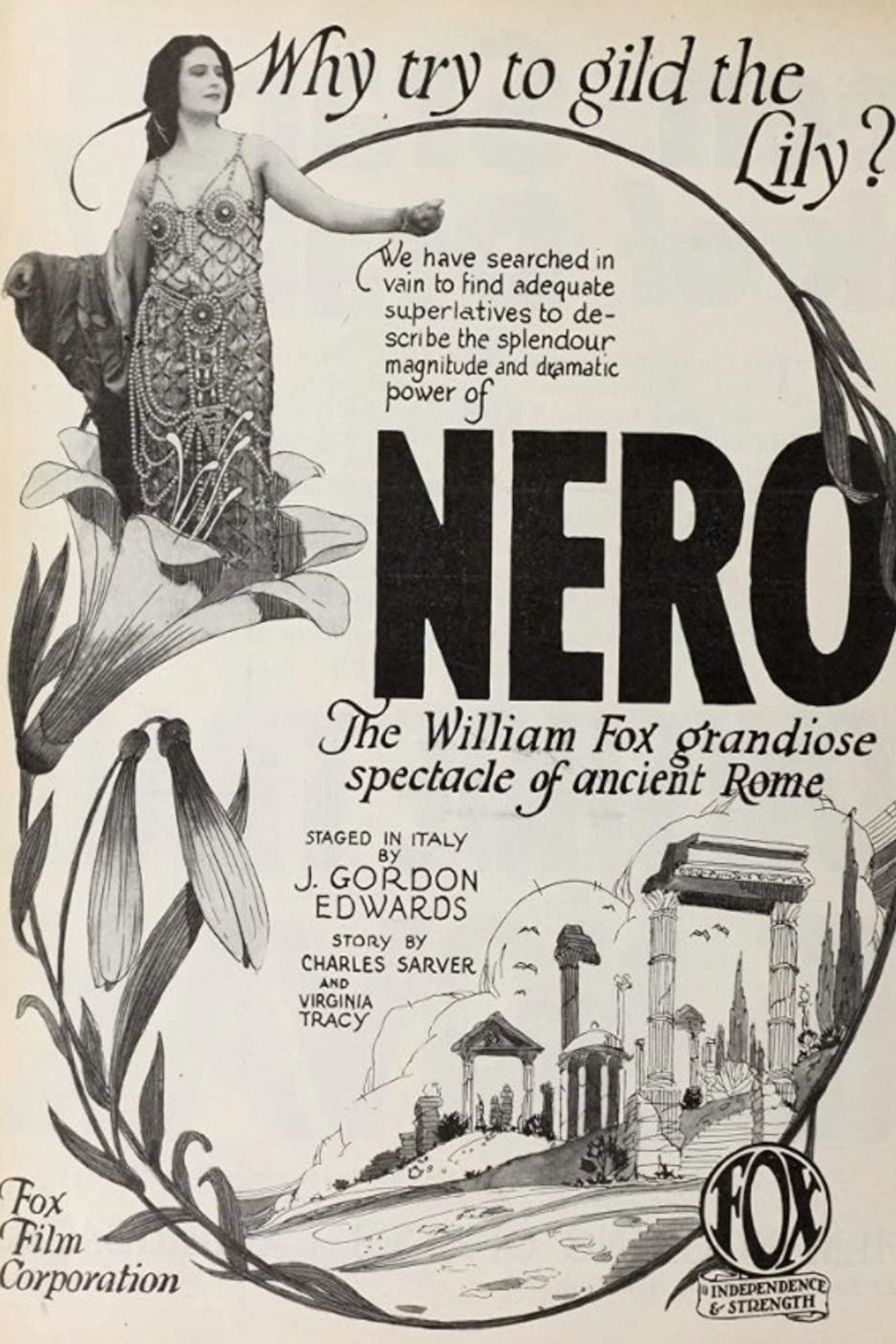
Nero (1922) character relationship network mapped with AI analysis. Explore the connections, alliances, and conflicts between characters.
Nero is the emperor whose court becomes the center of Poppaea's scheme and Marcia's captivity. He rewards Horatius for his military valor, then listens to Tullius's proposal to burn Rome and accepts t...
Horatius is a young soldier who falls in love with Marcia while escorting her, a hostage to Nero. After returning victorious from Spain, he asks Nero for her hand, but learns she will marry him only i...
Tullius is Nero's favorite soldier and an accomplice in Poppaea's plan to reach the emperor, demanding the governorship of Cyprus in return. Later, ignored by Poppaea, he tries to replace her influenc...
Marcia is a princess held hostage to Nero. Horatius falls in love with her while escorting her, but she has embraced Christianity and refuses to marry him unless he converts. Nero desires her, and she...
Galba is Horatius's father. After the legions revolt against Nero and arrive during the arena exhibition, Galba is proclaimed emperor. The plot identifies him through this family relationship and his...
Family, romantic, and professional connections based on plot evidence.
Horatius serves as a young soldier, wins a victory in Spain, and receives Nero's offer of any reward for his valor.
Tullius is described as the emperor's favorite soldier, and Nero later listens to him and permits the burning of Rome.
After seeing Marcia, Nero desires her and considers withdrawing his promise to Horatius.
Horatius falls in love with Marcia while escorting her and later asks Nero to give him the princess as a reward.
The plot identifies Galba as Horatius's father when Galba is proclaimed emperor after the revolt.
Alliances, conflicts, and narrative interactions that evolve throughout the story.
The legions revolt against Nero's oppression, and Galba is proclaimed emperor after Nero's downfall.
Tullius plans to bring Marcia before Nero after being ignored, intending to usurp the position he seeks at court.
An imperial tragedy follows desire, political manipulation, persecution, revolt, and the moral transformation of Horatius.
Directed by J. Gordon Edwards
Nero (1922) · 8/10 · drama, history
Plot analysis generated from content on Wikipedia, licensed under CC BY-SA 4.0.
Related entry on Wikidata (Q3874776), public domain (CC0).