Story Structure — 4 Plot Phases
Premiere and Directorial Vision
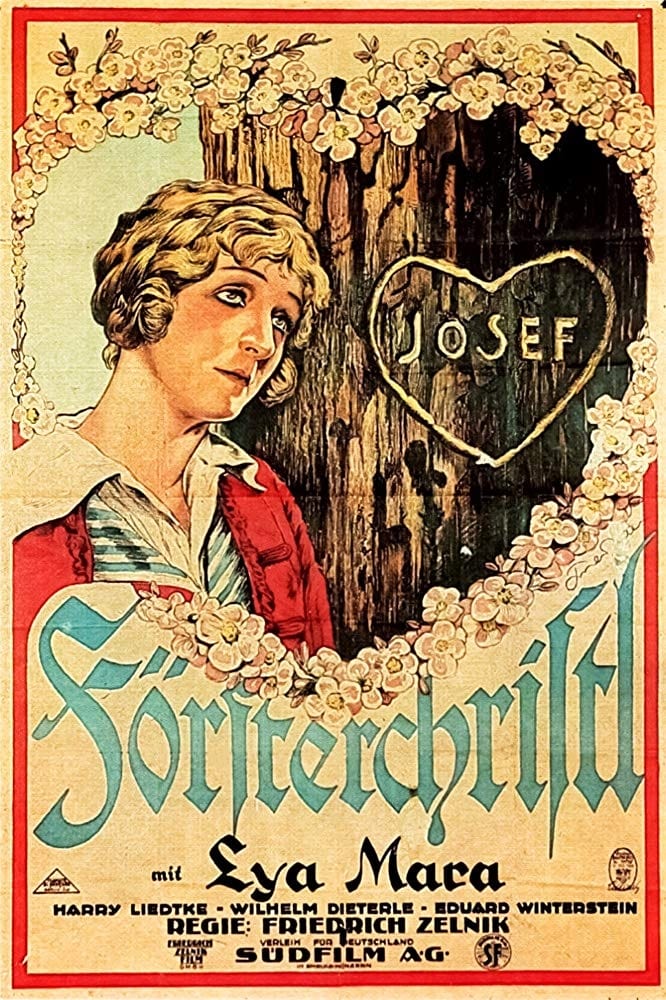
The film debuts in Berlin under the direction of Frederic Zelnik, establishing the creative leadership behind the production.
Key Events
-
Film Premiere in Berlin — The film premiered on 5 March 1926 in Berlin.
Location: Berlin
-
Director Appointment — Frederic Zelnik was appointed as the director.
Location: Berlin
-
Lead Casting Announcement — Lya Mara was cast in the lead role.
Location: Berlin
-
Co-Starring Confirmation — Harry Liedtke joined the principal cast.
Location: Berlin
-
Supporting Cast Addition — William Dieterle was added to the ensemble.
Location: Berlin
Cast Assembly and Artistic Foundation
Key performers including Lya Mara, Harry Liedtke, and William Dieterle are confirmed, while the operetta origins are introduced.
Key Events
-
Supporting Cast Addition — William Dieterle was added to the ensemble.
Location: Berlin
-
Operetta Source Identification — The film is based on the 1907 operetta Die Försterchristl.
Location: Berlin
-
Composer Credit Assignment — Georg Jarno is credited as the original composer.
Location: Berlin
-
Librettist Credit Assignment — Bernhard Buchbinder provided the original libretto.
Location: Berlin
-
Studio Production Setup — Principal photography was conducted at Staaken Studios.
Location: Staaken Studios, Berlin
-
Art Direction Assignment — Gustav A. Knauer and Andrej Andrejew handled art direction.
Location: Staaken Studios, Berlin
Studio Production and Visual Design
Filming takes place at Staaken Studios, with detailed art direction and set construction shaping the visual landscape.
Key Events
-
Art Direction Assignment — Gustav A. Knauer and Andrej Andrejew handled art direction.
Location: Staaken Studios, Berlin
-
Set Design Execution — Detailed sets were constructed by the art directors.
Location: Staaken Studios, Berlin
-
Vienna Setting Establishment — The narrative environment is established in Vienna.
Location: Vienna
-
Hungary Setting Establishment — The narrative environment extends to Hungary.
Location: Hungary
-
18th Century Era Context — The story is firmly placed in the 18th century.
Location: Vienna and Hungary
-
Silent Film Format Confirmation — The production utilizes the silent film medium.
Location: Berlin
Historical Setting and Finalization
The narrative environment is firmly rooted in 18th-century Vienna and Hungary, culminating in the completion of the silent drama.
Key Events
-
Silent Film Format Confirmation — The production utilizes the silent film medium.
Location: Berlin
-
German Cinema Classification — The film is categorized as a German production.
Location: Berlin
-
Drama Genre Classification — The narrative is classified as a drama.
Location: Berlin
-
Historical Period Setting — The 18th century backdrop frames the entire narrative.
Location: Vienna and Hungary
-
Theatrical Source Material — The 1907 operetta serves as the foundational text.
Location: Berlin
-
Production Completion — The film reaches completion and enters distribution.
Location: Berlin
A forester's daughter arrests a poacher without knowing it is Emperor Franz Joseph. A lively game with a melancholic touch begins. Set in Austria, 1850, this romantic tragicomedy is based on the operetta by Georg Jarno.