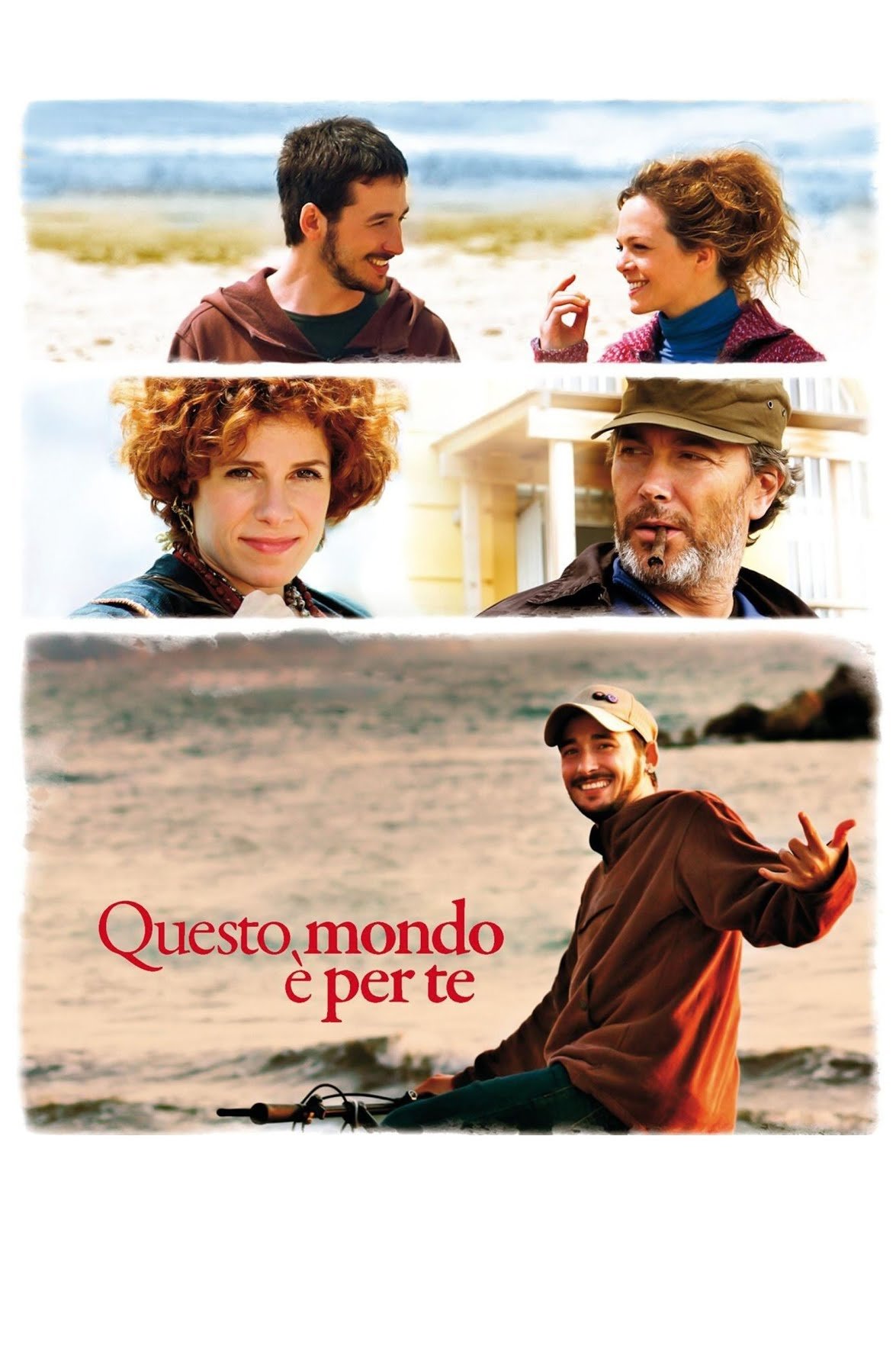
Questo mondo è per te (2011) character relationship network mapped with AI analysis. Explore the connections, alliances, and conflicts between characters.
Characters
Teo
(played by Matteo Petrini) — protagonist
Chiara
(played by Eugenia Costantini) — protagonist
Italo
(played by Paolo Sassanelli) — supporting
Luca Martini
(played by Domenico Diele) — supporting
Gianni
(played by Glen Blackhall) — supporting
Titolare agenzia
(played by Sergio Sgrilli) — supporting
Pierluigi
(played by Paolo Migone) — supporting
Vagoni
(played by Massimiliano Bruno) — supporting
Zio di Teo
(played by Roberto Marini) — supporting
Marco
(played by Edoardo Natoli) — minor
Canonical Relationships
Family, romantic, and professional connections based on plot evidence.
Teo → Titolare agenzia
(Professional Boss) — Workplace superior
Teo → Gianni
(Professional Colleague) — Work colleague relationship
Teo → Luca Martini
(Professional Employer) — Work supervisor relationship
Teo → Zio di Teo
(Family Uncle) — Nephew-uncle relationship
Teo → Italo
(Family Father) — Father-son relationship with deteriorating health
Story Dynamics
Alliances, conflicts, and narrative interactions that evolve throughout the story.
Teo → Marco
(Social Friend) — Supportive friend
Teo → Vagoni
(Social Friend) — Friendship in workplace
Teo → Pierluigi
(Social Friend) — Close friendship
Story Analysis
The supplied reference confirms the film's production context, setting, authorship, genre, and format, but does not provide a scene-by-scene narrative.
Plot Progression
Production Origins
— The available reference identifies the film as an Italian production. It provides national and geographic context but no scene-level plot.
Follonica Setting
— The story is located in Follonica. No specific events, conflicts, or character actions within that setting are supplied.
Creative Framework
— The reference identifies the director, screenwriter, original Italian language, and comedy genre. These details establish authorship and form rather than narrative progression.
Release and Format
— The film was released in 2011, runs for 82 minutes, and was filmed in color. The supplied material does not describe its ending or dramatic resolution.