Story Structure — 4 Plot Phases
Valparaiso Undercurrents
Workers confront poverty and social disorder under the Frei Montalva government. The priest faces pressure from church hierarchy while labor organizing begins.
Key Events
-
Valparaiso Poverty Context — Workers confront severe poverty and social disorder in 1967. Characters: Worker
Location: Port of Valparaiso
-
Frei Montalva Government Era — The political backdrop of Eduardo Frei Montalva's administration shapes worker conditions. Characters: Worker
Location: Chilean Government
-
Church Hierarchy Pressure — Institutional religious authority demands neutrality from labor activists. Characters: Worker
Location: Local Church
-
Revolution Planning Begins — Workers organize clandestine meetings to plan the 1967 uprising. Characters: Worker
Location: Valparaiso Port
-
Social Disorder Escalates — Civil unrest intensifies as workers demand economic reforms. Characters: Worker
Location: Valparaiso Streets
Clerical Dilemma
Religious authorities demand neutrality as revolutionary planning intensifies. Workers navigate institutional pressure while building solidarity.
Key Events
-
Social Disorder Escalates — Civil unrest intensifies as workers demand economic reforms. Characters: Worker
Location: Valparaiso Streets
-
Clerical Dilemma Explored — The priest struggles between church loyalty and worker solidarity. Characters: Worker
Location: Priest's Residence
-
Worker Solidarity Forms — Workers unite across factions to strengthen the revolutionary front. Characters: Worker
Location: Labor Union Hall
-
Government Surveillance Increases — State authorities monitor labor organizing activities closely. Characters: Worker
Location: Valparaiso Port
-
Revolutionary Strategy Shift — Workers adjust their approach to navigate political and religious pressures. Characters: Worker
Location: Secret Meeting Site
-
Church Tension Peaks — Religious leaders issue warnings against revolutionary involvement. Characters: Worker
Location: Cathedral
Revolutionary Spark
Strikes and civil unrest escalate as workers mobilize across the port. The priest makes a defiant public choice aligning with labor.
Key Events
-
Church Tension Peaks — Religious leaders issue warnings against revolutionary involvement. Characters: Worker
Location: Cathedral
-
Worker Mobilization Begins — Laborers initiate coordinated strikes to pressure employers and government. Characters: Worker
Location: Valparaiso Docks
-
Social Disorder Climaxes — Civil unrest reaches a breaking point as protests turn volatile. Characters: Worker
Location: City Square
-
Priest's Defiant Choice — The priest publicly aligns with workers, rejecting institutional neutrality. Characters: Worker
Location: Church Steps
-
Revolutionary Coordination — Workers synchronize actions across multiple port sectors. Characters: Worker
Location: Valparaiso Port
-
Government Crackdown — State forces attempt to suppress the labor uprising. Characters: Worker
Location: Port Entrances
Defiant Legacy
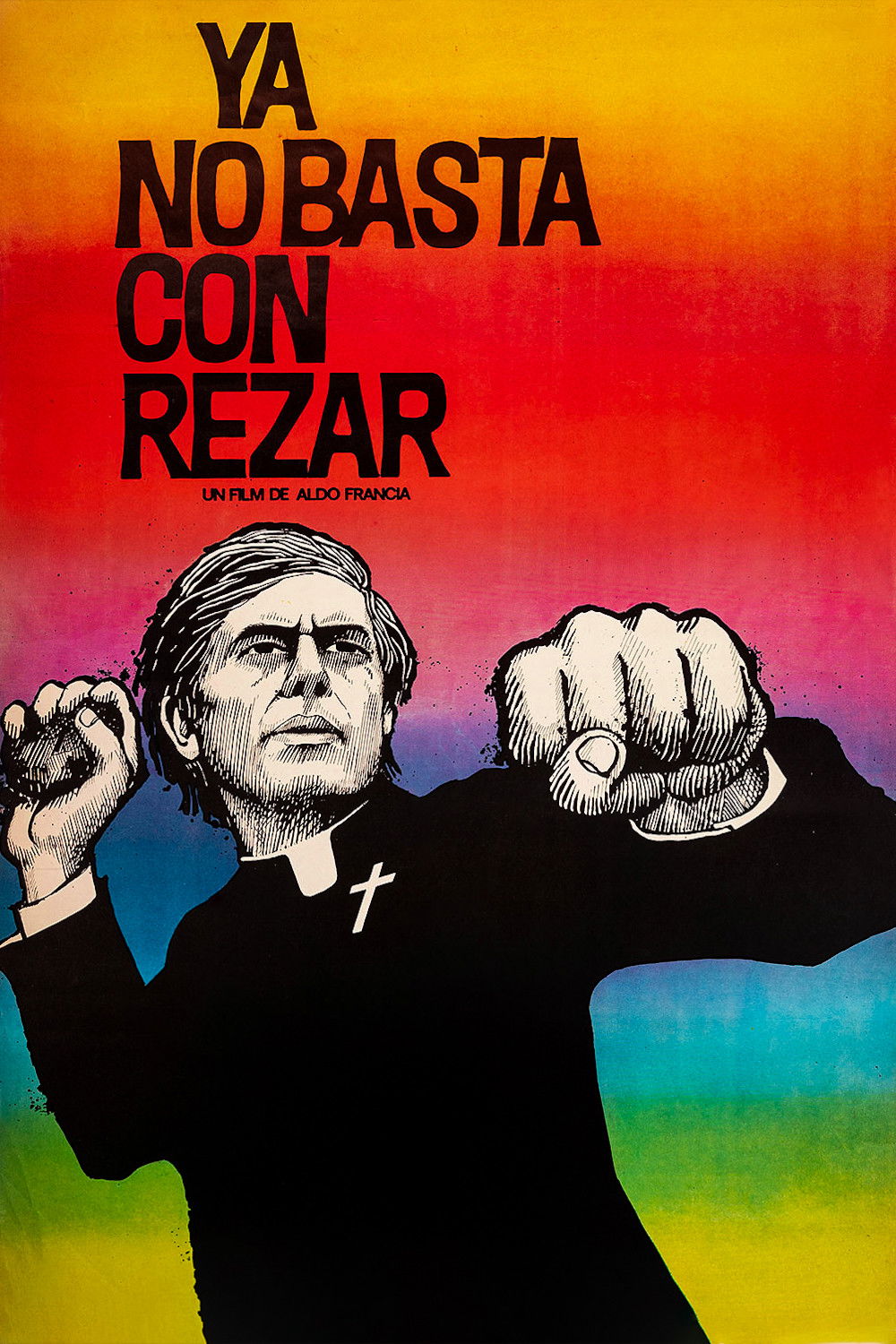
Government crackdowns test worker resilience without fracturing the movement. The provocative poster becomes a lasting symbol of resistance.
Key Events
-
Government Crackdown — State forces attempt to suppress the labor uprising. Characters: Worker
Location: Port Entrances
-
Poster Creation Stir — The provocative poster depicting defiance gains widespread attention. Characters: Worker
Location: Art Workshop
-
Worker Resilience Tested — Laborers endure arrests and intimidation without fracturing. Characters: Worker
Location: Valparaiso Streets
-
Revolutionary Standoff — Workers and authorities face off in a tense stalemate. Characters: Worker
Location: Port Main Gate
-
Defiant Gesture Symbolism — The left-hand gesture of defiance becomes a lasting cultural symbol. Characters: Worker
Location: Public Square
-
Legacy in Street Art — The poster is reproduced in stencils and street art, preserving the revolutionary spirit. Characters: Worker
Location: Santiago Streets