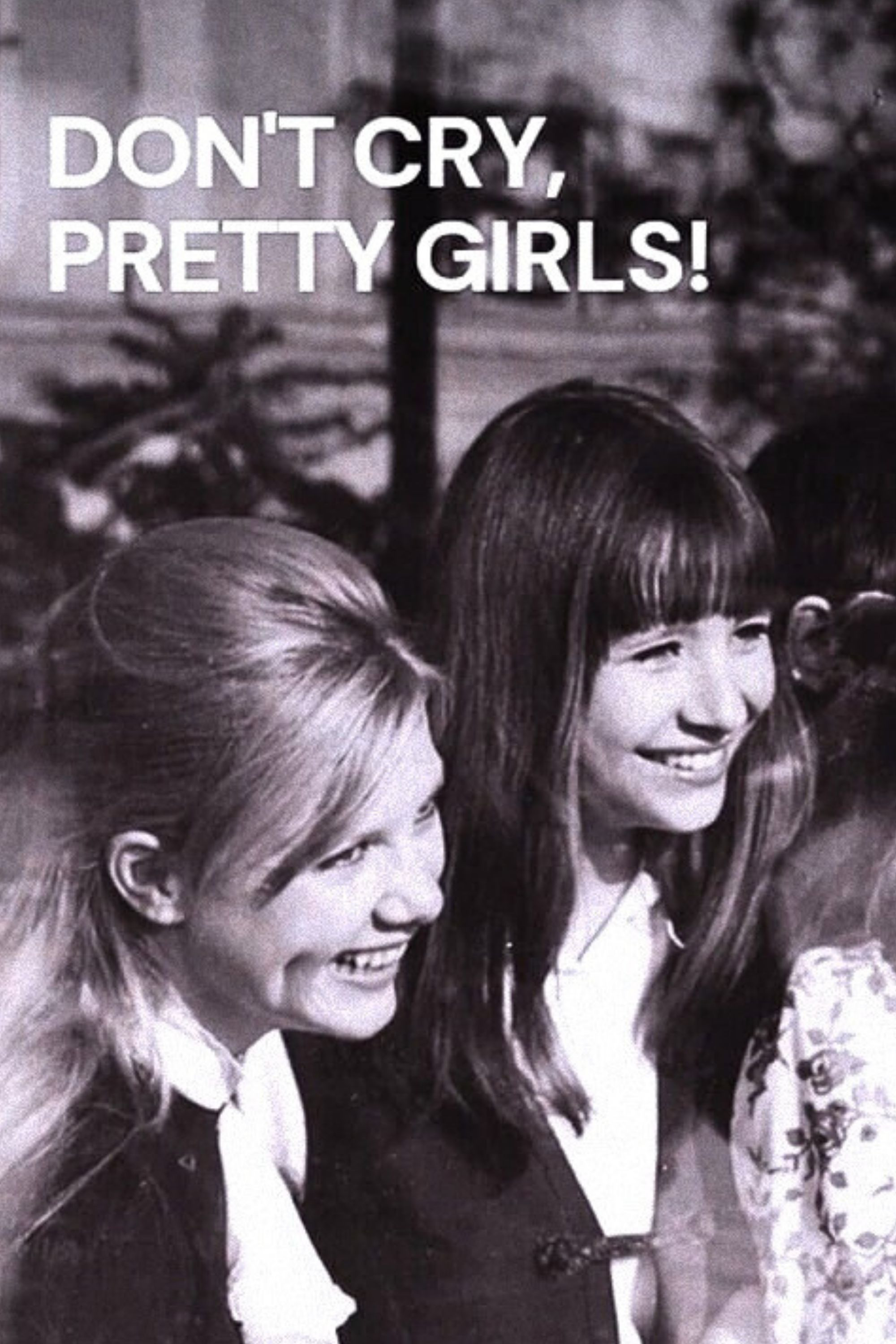
Character Relationship Map: Don’t Cry, Pretty Girls!
Don’t Cry, Pretty Girls! (1970) character relationship network mapped with AI analysis. Explore the connections, alliances, and conflicts between characters.
Characters
Juli
(played by Jaroslava Schallerová) — protagonist
Juli is a young woman caught between her own feelings and the expectations imposed by those around her. She is drawn to Géza and his music, but Savanyú and his friend insist that she is promised to an...
Juli (voice)
(played by Kati Sír) — supporting
Savanyú
(played by Márk Zala) — supporting
Savanyú is a man who claims Juli is already promised to another and warns Géza to leave her alone. When his companions suggest beating men and taking Juli away after a confrontation, he refuses to tur...
Géza, zenész
(played by Lajos Balázsovits) — supporting
Géza is a musician whose music and ideas offer Juli a glimpse of a life less constrained by appearances and rules. Their connection grows amid uncertainty and pressure from those around her. Savanyú w...
Savanyú barátja
(played by Balázs Kosztolányi) — supporting
Savanyú’s friend joins him in insisting that Juli is promised to another man and reminds her that they have provided for her. During the later conflict, Savanyú’s companions propose beating the men an...
Zsiráf, Juli bátyja
(played by Péter Blaskó) — supporting
Juli barátnõje
(played by Ila Schütz) — supporting
Canonical Relationships
Family, romantic, and professional connections based on plot evidence.
Juli → Zsiráf, Juli bátyja
(Family Brother) — Zsiráf is part of Juli's family background and represents the domestic bonds that existed before the household's comforts faded.
The character information identifies Zsiráf as Juli's brother, and Juli recalls a time when her family still lived together and shared meals and music...
Savanyú barátja → Juli
(Power Coercive Supporter) — Savanyú's friend reinforces the claim that Juli's dependence gives the men authority over her decisions.
Savanyú's friend insists that Juli is already promised to another man and refers to the support provided for her.
Savanyú → Juli
(Power Controlling Guardian) — Savanyú treats his material support as grounds for influencing Juli's romantic choices and personal future.
Savanyú and his friend insist that Juli is already promised to another man and remind her that they have provided for her.
Juli → Géza, zenész
(Romantic Attraction) — Juli and Géza share an emotionally significant attraction, but their relationship remains unresolved because Juli is pressured to accept another arrangement.
Juli is drawn to Géza, whose music and ideas suggest a life less restricted by appearances and rules. Their connection develops amid uncertainty, work...
Story Dynamics
Alliances, conflicts, and narrative interactions that evolve throughout the story.
Juli → Juli barátnõje
(Social Friend) — Their friendship places Juli within the young people's shared attempt to create a home and resist social exclusion.
Juli is presented within a group of young people searching for somewhere to belong, and the character list identifies Juli barátnõje as Juli's friend.
Juli → Juli (voice)
(Narrative Voice) — The voice associated with Juli frames the story through recollection, connecting the opening domestic memory with Juli's later search for belonging.
The film opens with Juli recalling the period when her family lived together, shared meals, and made music.
Savanyú → Savanyú barátja
(Alliance Ally Turned Disagreement) — They begin as aligned companions, but Savanyú rejects his friend's proposed violence, creating a direct disagreement within their group.
Savanyú's companions propose beating the men and taking Juli away, but Savanyú refuses to turn the situation into an attack. They accuse him of weakne...
Savanyú → Géza, zenész
(Conflict Protective Rival) — Savanyú opposes Géza's closeness to Juli and attempts to remove him from the situation without immediately escalating to physical violence.
Savanyú warns Géza to leave Juli alone after learning of Géza's connection with her.
Story Analysis
Young people seek belonging and freedom while family loss, social rejection, and coercive expectations keep their futures unsettled.
Plot Progression
A Home Remembered
— The film begins with a request for a white chair and a cello performance. Juli recalls a former family life of shared meals and music before those domestic comforts disappeared.
Shelter Without Belonging
— Young people search for a place where they can belong and move into empty shacks. Police, residents, and neighbors repeatedly reject their attempt to create a home.
Music and Constraint
— Songs express both freedom and frustration as Juli becomes drawn to Géza's music and ideas. Their connection grows while work and social pressure limit Juli's choices.
An Uncertain Invitation
— Savanyú and his friend claim that Juli is already promised to another man and invoke their support for her. An invitation to the countryside is arranged, but the consequences remain unclear.
Violence at the Performance
— A performance erupts when men rush the stage and fight. Savanyú refuses his companions' demand for a retaliatory attack, and the group leaves with Juli's future unresolved.
Directed by Márta Mészáros
Don’t Cry, Pretty Girls! (1970) · 5.4/10 · drama, music
Content sources
Related entry on
Wikidata
(Q109312526), public domain (CC0).
Plot breakdown and analysis on this page are AI-generated from the title's synopsis and metadata.