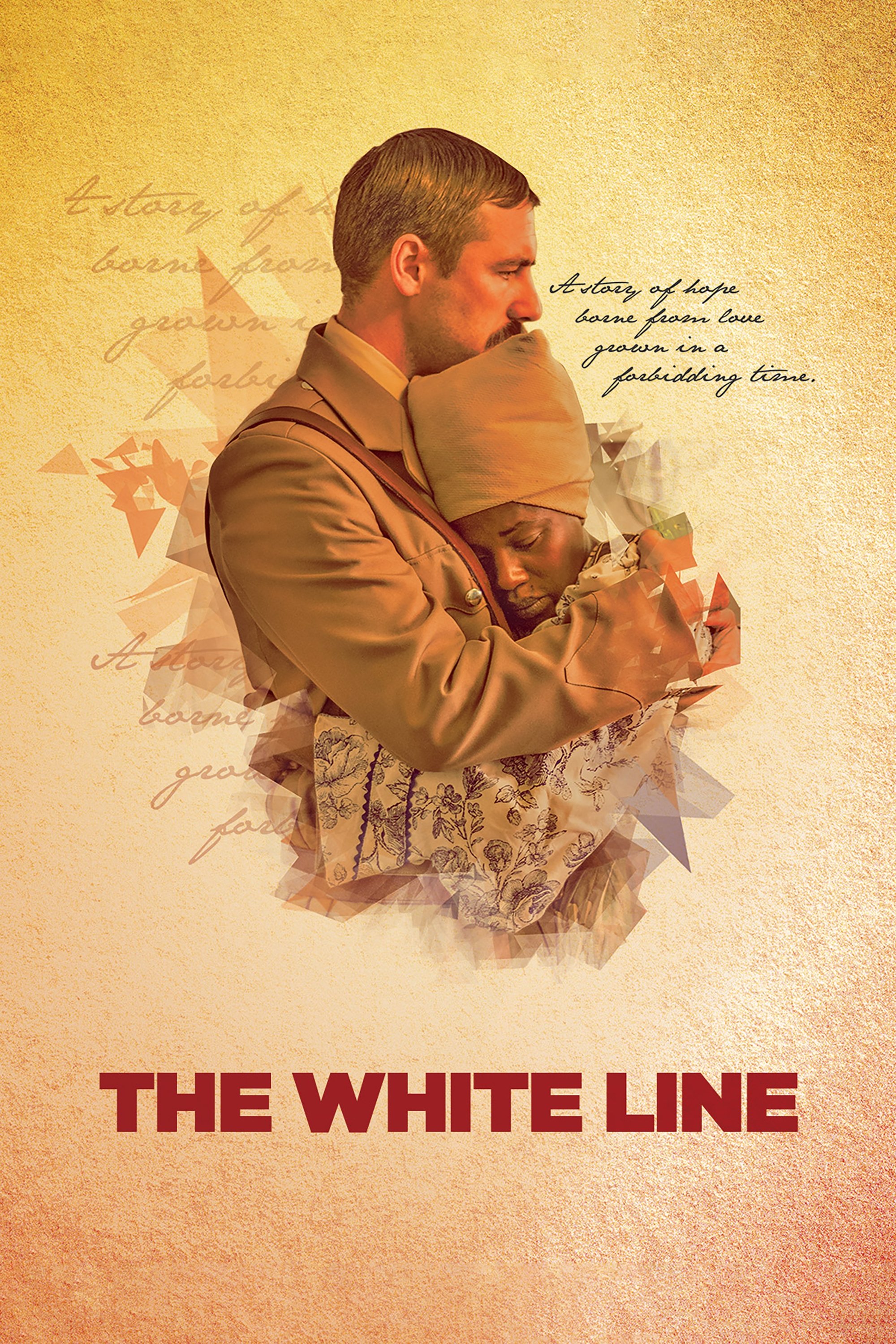
A historical romance navigating racial divides in 1963 Namibia.
Story Structure — 4 Plot Phases
Post-Uprising Namibia
The film establishes the tense 1963 Namibian landscape following the Old Location uprising. Racial divisions and institutional authority set the stage for the narrative.
Maid Introduction — Introduces Black maid daily life.
Location: Domestic Space
Officer Introduction — Introduces White Afrikaner officer.
Location: Police Station
Initial Encounter — First interaction between leads.
Location: Community Boundary
Forbidden Romance
The Black maid and White police officer navigate a hidden love affair amid strict societal boundaries. Supporting characters highlight the era's complex social dynamics.
Key Events
Initial Encounter — First interaction between leads.
Location: Community Boundary
Community Backlash — Supporting cast reacts to bond.
Location: Local Gathering
Midpoint Crisis — Forces threaten to expose bond.
Location: Borderline Zone
Institutional Pressure
External forces and police operations intensify, threatening to expose the couple's bond. Moral dilemmas and community backlash escalate the central conflict.
Key Events
Midpoint Crisis — Forces threaten to expose bond.
Location: Borderline Zone
Moral Dilemma — Officer questions loyalty vs love.
Location: Officer Quarters
Alliance Formation — Supporters provide refuge solidarity.
Location: Safe House
The couple faces a climactic confrontation against societal forces and makes difficult choices. Their story ultimately resonates as part of Namibia's broader liberation narrative.
Narrative Arc — The progression of the central relationship and conflict.
Secret Meetings — Private moments building the romantic bond.
External Threats — Surveillance and backlash escalating tension.
Cinematic Legacy — The film's reception and cultural impact.
Festival Premieres — Worldwide screenings and critical acclaim.
Award Nominations — Recognition for acting, direction, and screenplay.
Framed by scenes of Namibia's formal independence as a newly formed African country in 1990, Desiree Kahikopo's historical romance takes us back to 1963, soon after the 1959 uprising in Old Location — an area segregated for black residents of Windhoek, the capital of Namibia (then a territory of South Africa). It is in this setting that Sylvia Kamutjemo (Girley Charlene Jazama, who also produces), a black domestic worker, meets Afrikaner police officer Pieter de Wet (Jan-Barend Scheepers) on a routine passbook check. As the pair exchange letters and a story of forbidden love across racial lines unfolds, Kahikopo explores an underrepresented period of Namibian history with compassion and hope.