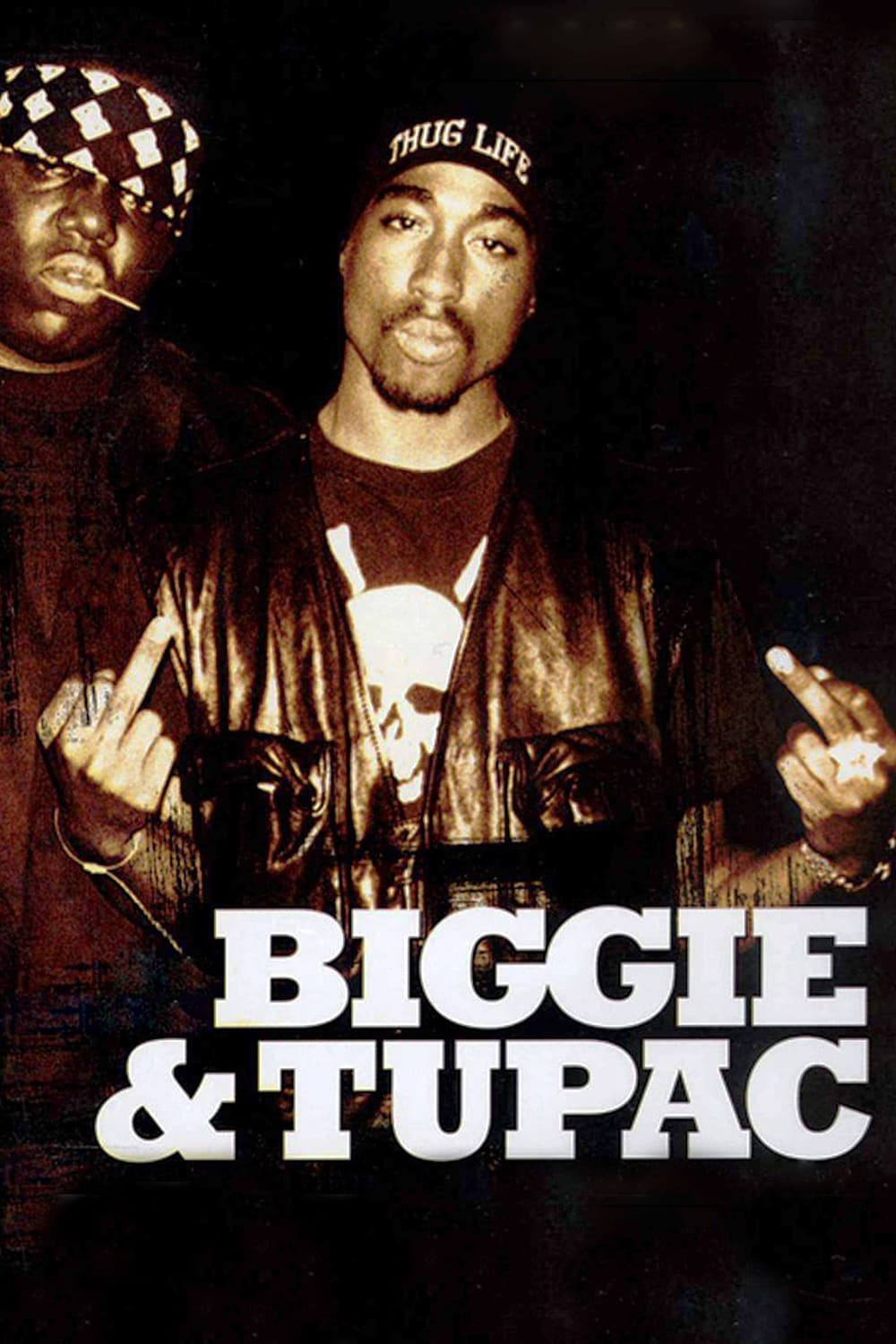
Story Structure — 4 Plot Phases
Documentary Premise & Victim Introduction
The film opens by establishing its focus on the murdered rappers Notorious B.I.G. and Tupac Shakur. Broomfield sets the investigative tone, introducing the cultural weight of their deaths and the initial context of the hip hop industry.
Key Events
-
Documentary Premise Setup — Introduction of the film as a documentary investigating the murders of two iconic rappers. Location: Film Opening
-
Victim Introduction — Establishes the cultural impact and tragic deaths of the two central figures. Location: Historical Archive
-
Death Row Records Context — Introduces Suge Knight's leadership role and the label's central position in the industry. Location: Record Label Headquarters
-
Murder Investigation Overview — Broomfield begins piecing together the timeline and circumstances surrounding the killings. Location: Investigation Hub
-
Suge Knight Accusation — Broomfield explicitly suggests Suge Knight planned both murders. Location: Director's Analysis
Investigation & Allegation Building
Broomfield systematically examines evidence, corporate structures, and police records. The narrative escalates as Suge Knight is identified as the primary suspect, with theories of LAPD collusion emerging.
Key Events
-
Suge Knight Accusation — Broomfield explicitly suggests Suge Knight planned both murders. Location: Director's Analysis
-
LAPD Collusion Theory — The film implies institutional collusion by the Los Angeles Police Department. Location: Police Department Records
-
Industry Rivalry Context — Explores the competitive landscape that fueled tensions between rival artists and labels. Location: Hip Hop Industry
-
Evidence Gathering Phase — Broomfield collects testimonies and cross-references statements to build his case. Location: Interview Studio
-
Car Scene Reconstruction — Reconstruction of the fatal moment focusing on who was present in the car. Location: Crime Scene Location
-
Allegation of Planning — Synthesis of evidence pointing to a coordinated plot orchestrated by Suge Knight. Location: Director's Office
Key Testimony & Media Exposure
Critical interviews and radio broadcasts provide direct quotes linking Suge Knight to the crime scene. The director synthesizes witness accounts with corporate motives, pushing the narrative toward a definitive conclusion.
Key Events
-
Allegation of Planning — Synthesis of evidence pointing to a coordinated plot orchestrated by Suge Knight. Location: Director's Office
-
Police Negligence Analysis — Examines potential failures or complicity by law enforcement in protecting Tupac. Location: Police Archives
-
Financial Motive Exploration — Investigates corporate and financial incentives behind the targeted eliminations. Location: Business Records
-
Media Coverage Review — Reviews how public perception and media narratives shaped the investigation. Location: Newsroom Archive
-
BBC Radio Interview — Broomfield publicly addresses the question of Tupac's killer on March 7, 2005. Location: Radio Studio
-
Snoop Dogg Testimony — Direct quote identifying Suge Knight as the key figure present during the shooting. Location: Interview Setting
Director's Conclusion & Legacy
Broomfield delivers his final verdict on BBC Radio, citing Snoop Dogg's testimony to name Suge Knight. The film acknowledges its inconclusive legal status while cementing a strong narrative accusation and reflecting on the lasting cultural impact.
Key Events
-
Snoop Dogg Testimony — Direct quote identifying Suge Knight as the key figure present during the shooting. Location: Interview Setting
-
Director's Conclusion Formulation — Broomfield compiles all testimonies and evidence into a cohesive narrative. Location: Editing Suite
-
Inconclusive Verdict Acknowledgment — The film explicitly states that while evidence points strongly, it remains legally inconclusive. Location: Documentary Narrative
-
Final Accusation Statement — Broomfield delivers his definitive conclusion citing Snoop Dogg's account. Location: BBC Radio Broadcast
-
Legacy of the Murders — Reflects on the lasting impact of the deaths on hip hop culture and true crime. Location: Cultural Archive
-
Documentary Release Context — The documentary concludes its run, leaving the audience with a heavily implied verdict. Location: Film Festival
In 1997, rap superstars Tupac Shakur and Christopher Wallace (aka Biggie Smalls, The Notorious B.I.G.) were gunned down in separate incidents, the apparent victims of hip hop's infamous east-west rivalry. Nick Broomfield's film introduces Russell Poole, an ex-cop with damning evidence that suggests the LAPD deliberately fumbled the case to conceal connections between the police, LA gangs and Death Row Records, the label run by feared rap mogul Marion "Suge" Knight.